
 Česky
 Deutsch
 Italiano
 Polski
 Français
 Srpski
Industrial automation of machines and production processes
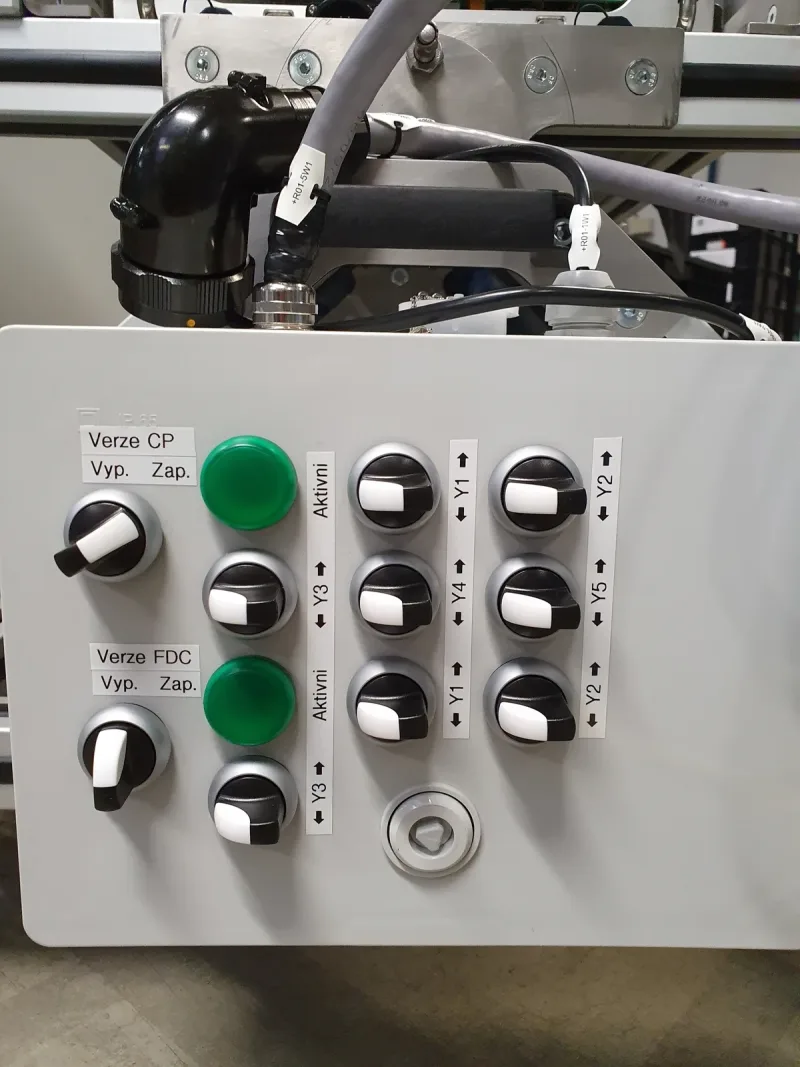
Production lines, robotic workstations and PLC control
We design and supply production lines, special-purpose machines and assembly or inspection workstations. We also handle robotics and PLC programming for new and existing technologies. For an initial design, describe the product, the operation, the required cycle time and how it connects to your existing production.
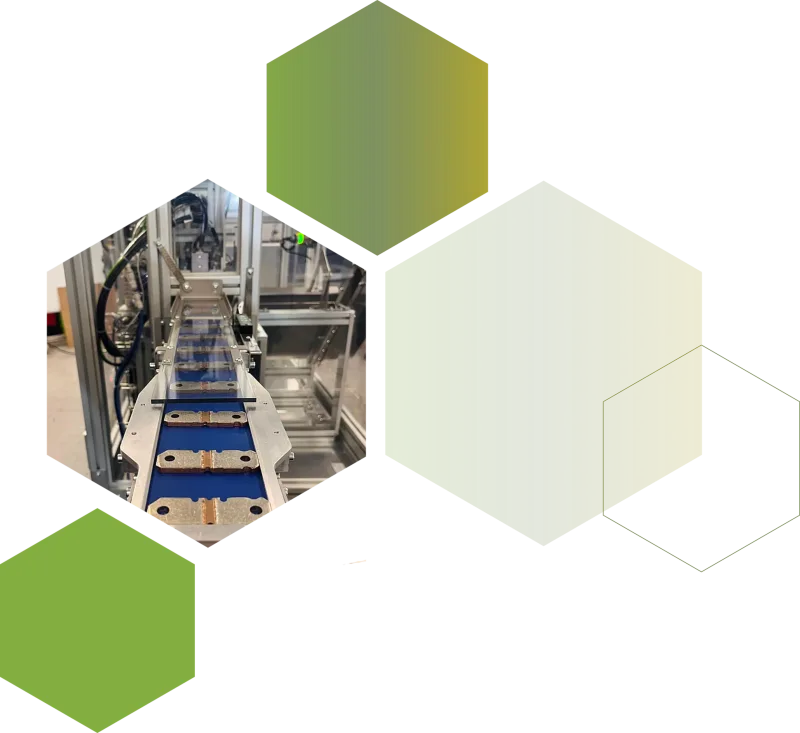
Special-purpose machines for assembly, handling and inspection
We design special-purpose machines and workstations for a specific production operation. Industrial automation also includes modifications to existing production workstations. When switching to a different product, we assess how the fixture, mechanics, electrical installation and control fit together. To design a machine modification, we need to know the current state, the required change and the planned shutdown. We agree the scope of our own work and the involvement of partners in advance.
Start with the point where a part waits, an error occurs or the operator's work is too demanding. Describe the current procedure and the result you want to achieve.
Our projects show robotic part processing, post-moulding cooling and assembly with process verification. A specific solution may cover a single operation or its connection to further production.
Production automation from a fixture to a complete line
We design standalone manual, semi-automatic and automatic workstations. If the equipment is to form part of a larger system, we also handle part transfer, communication between stations and result verification.
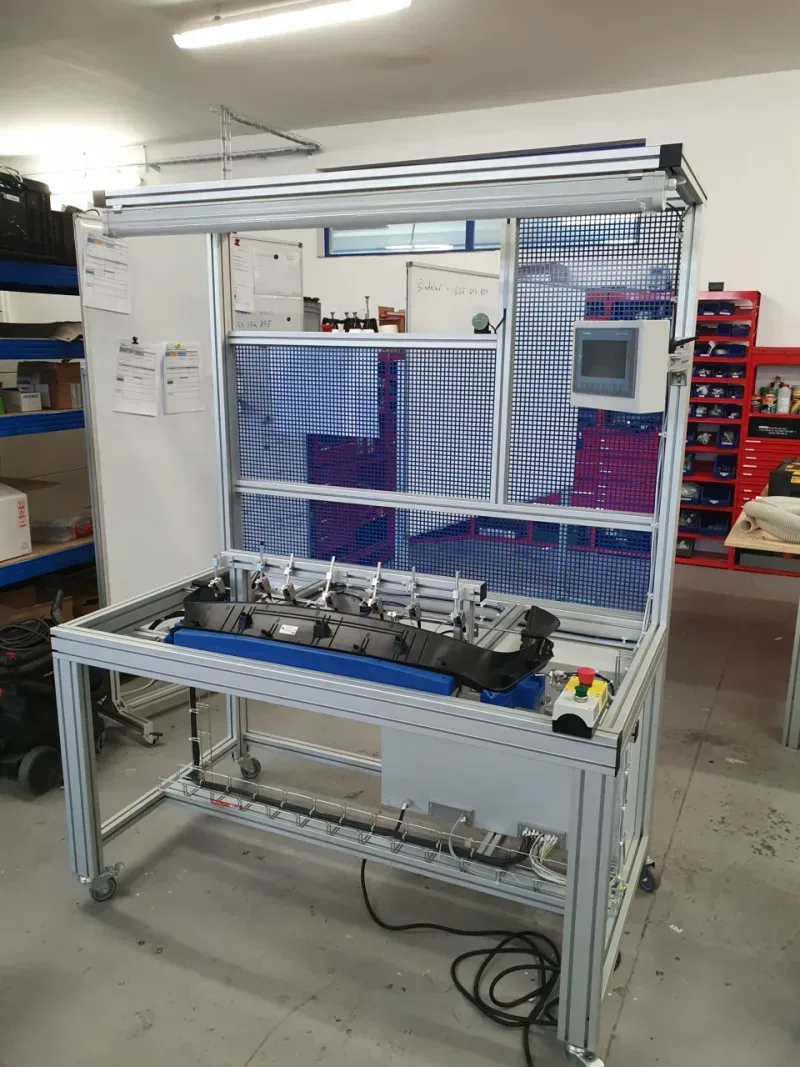
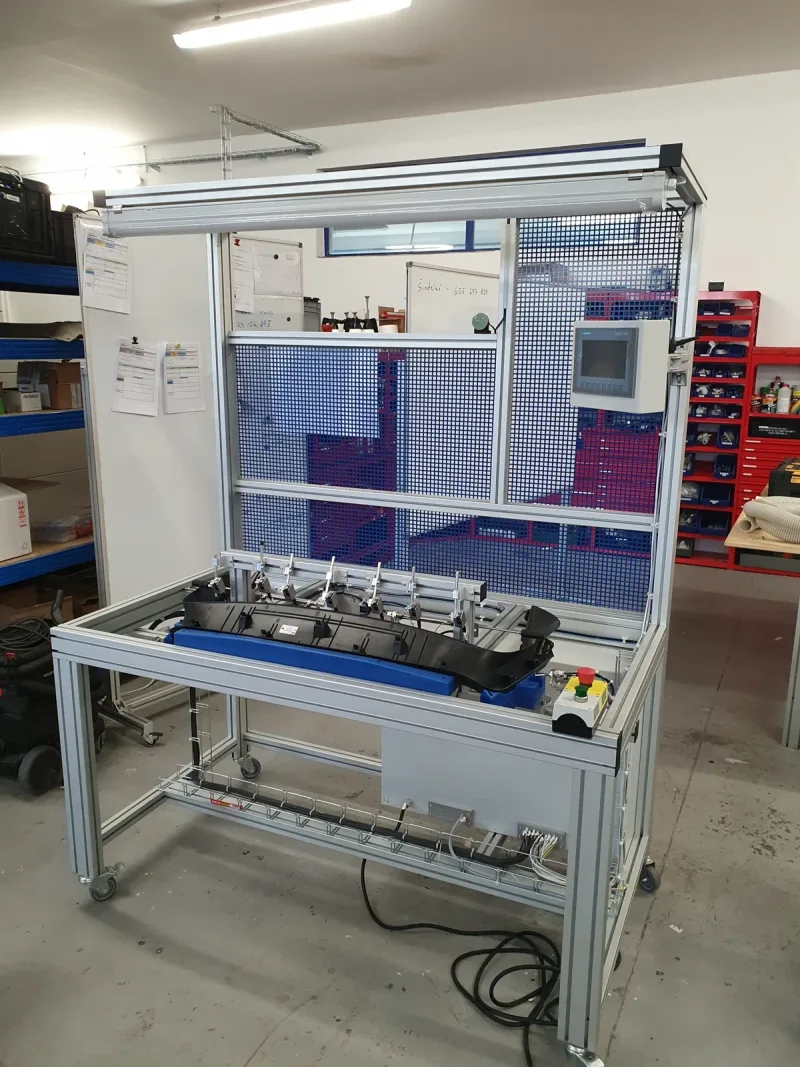
Assembly and inspection benches
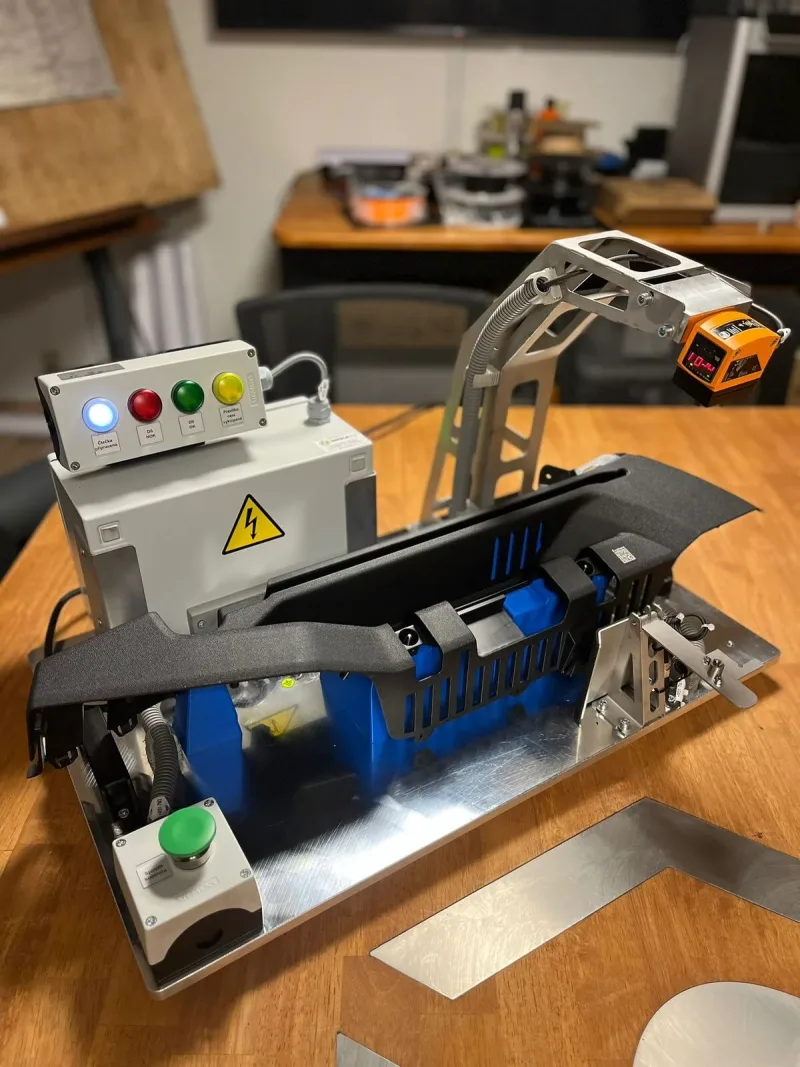
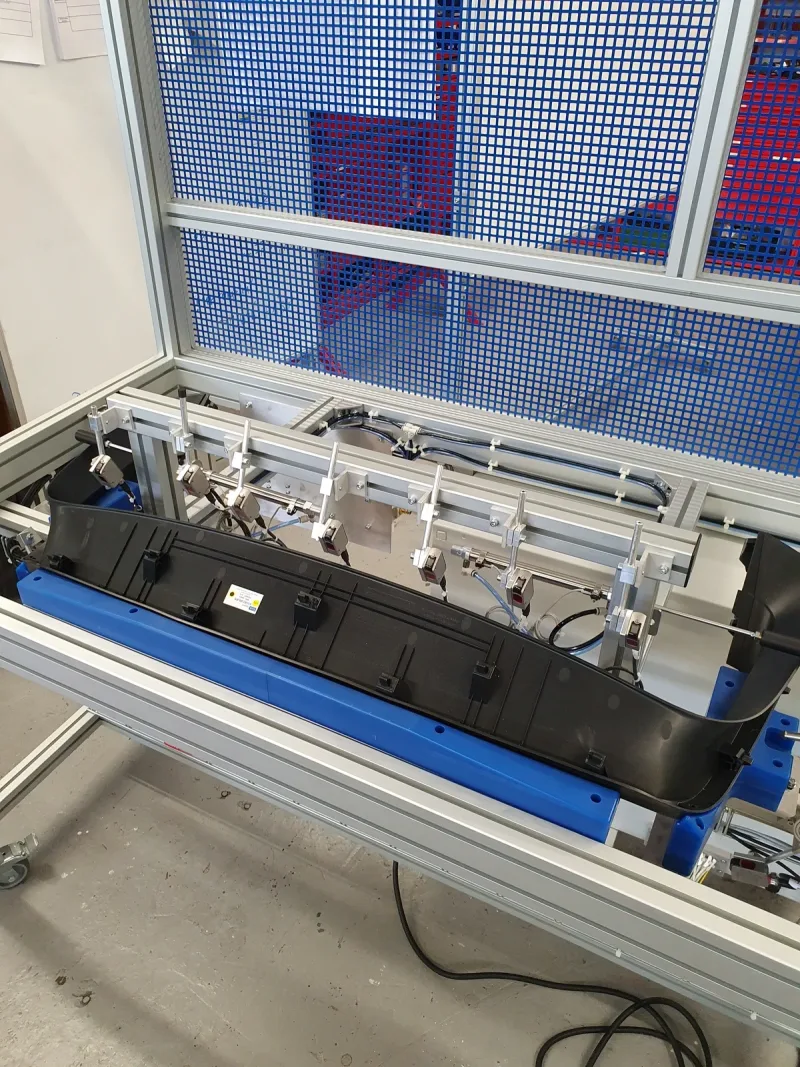
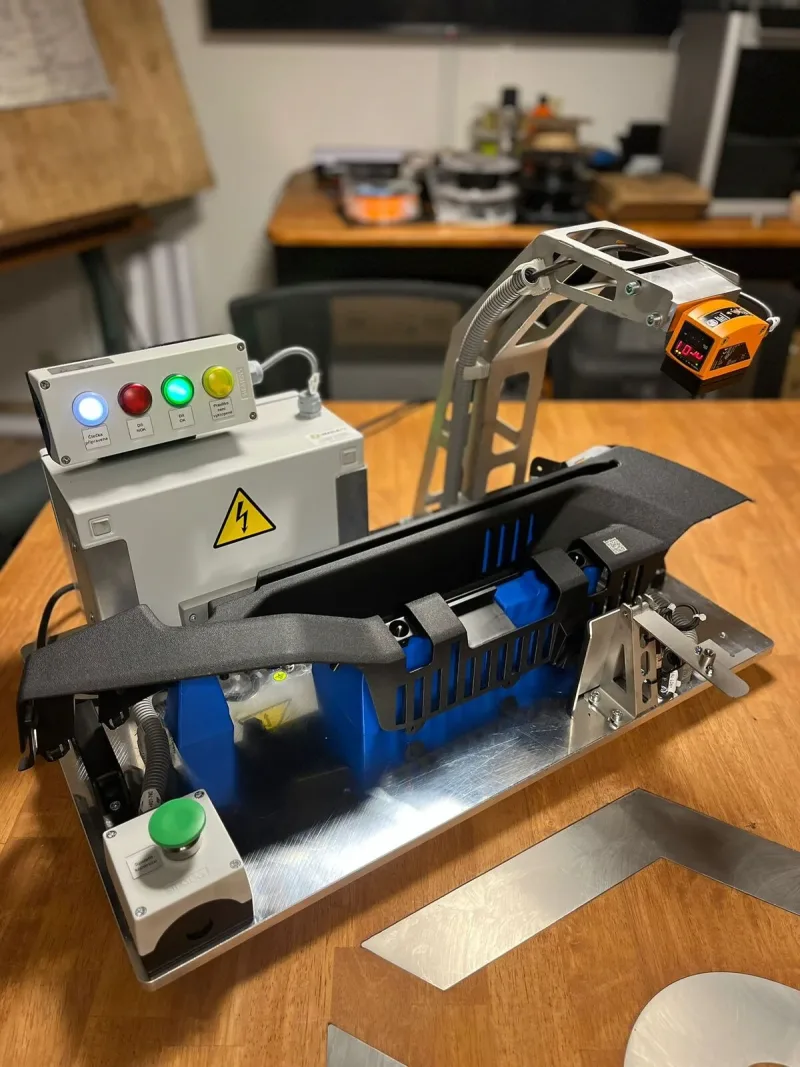
Custom assembly benches, special-purpose equipment, Poka-Yoke fixtures and inspection templates. The workstation helps to load, assemble and check the part correctly.
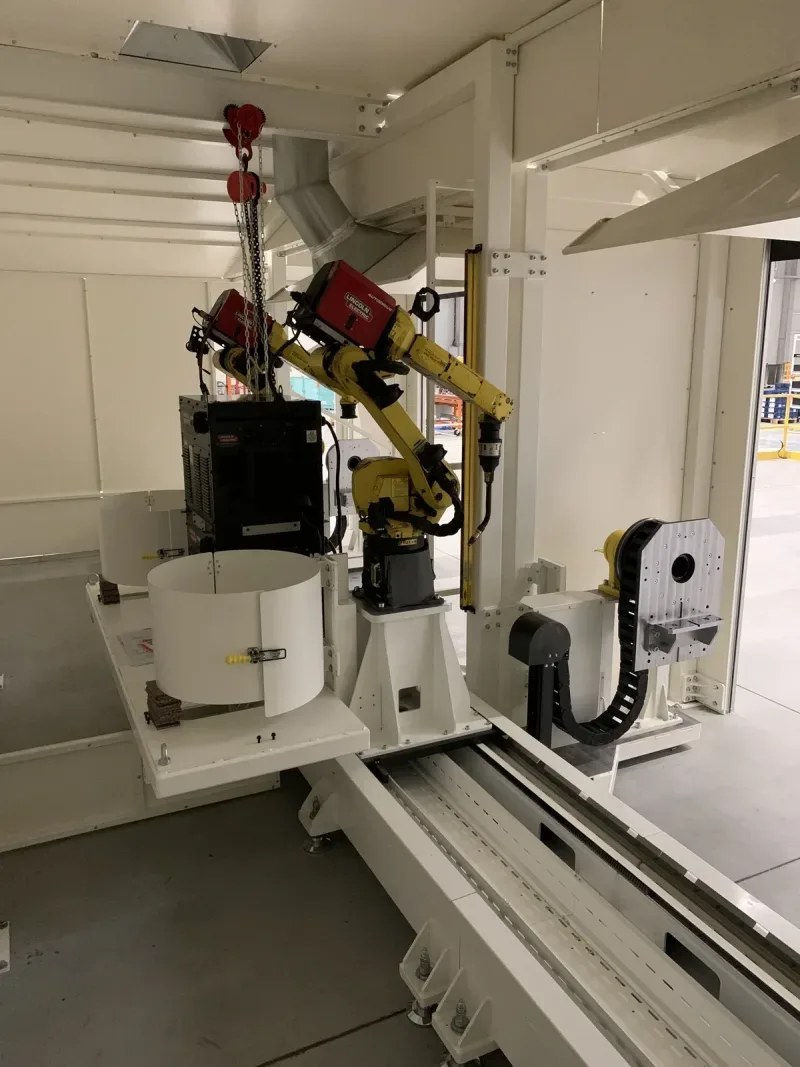
Robotic workstations and welding cells
Based on the part and cycle time, we design robotic workstations and welding cells with one or more robots. We also handle modifications and programming of equipment in existing operations.
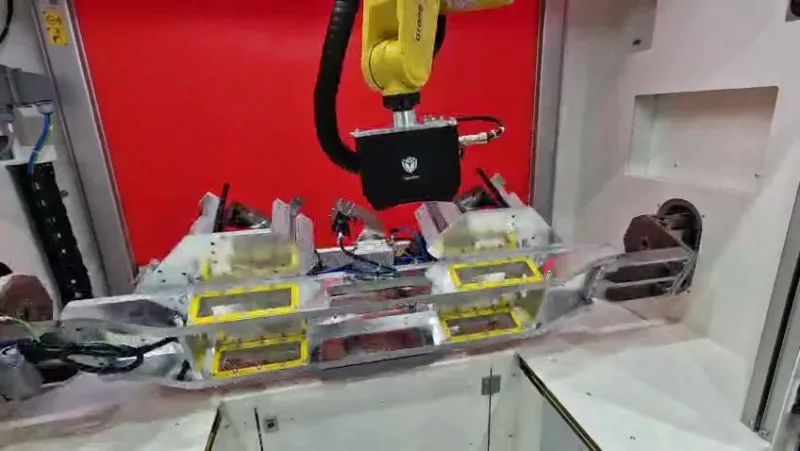
Robotic inspection stations
Depending on the required inspections, we connect robots with 3D scanners, industrial cameras and sensors. The workstation can verify the presence of components, their position or specified dimensions.
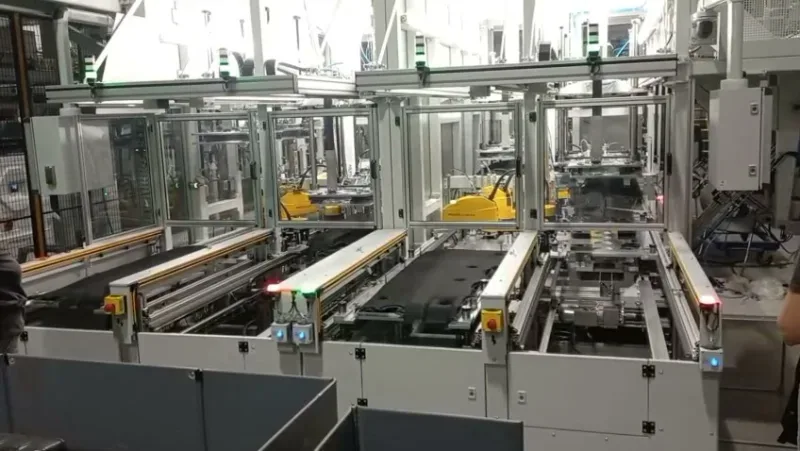
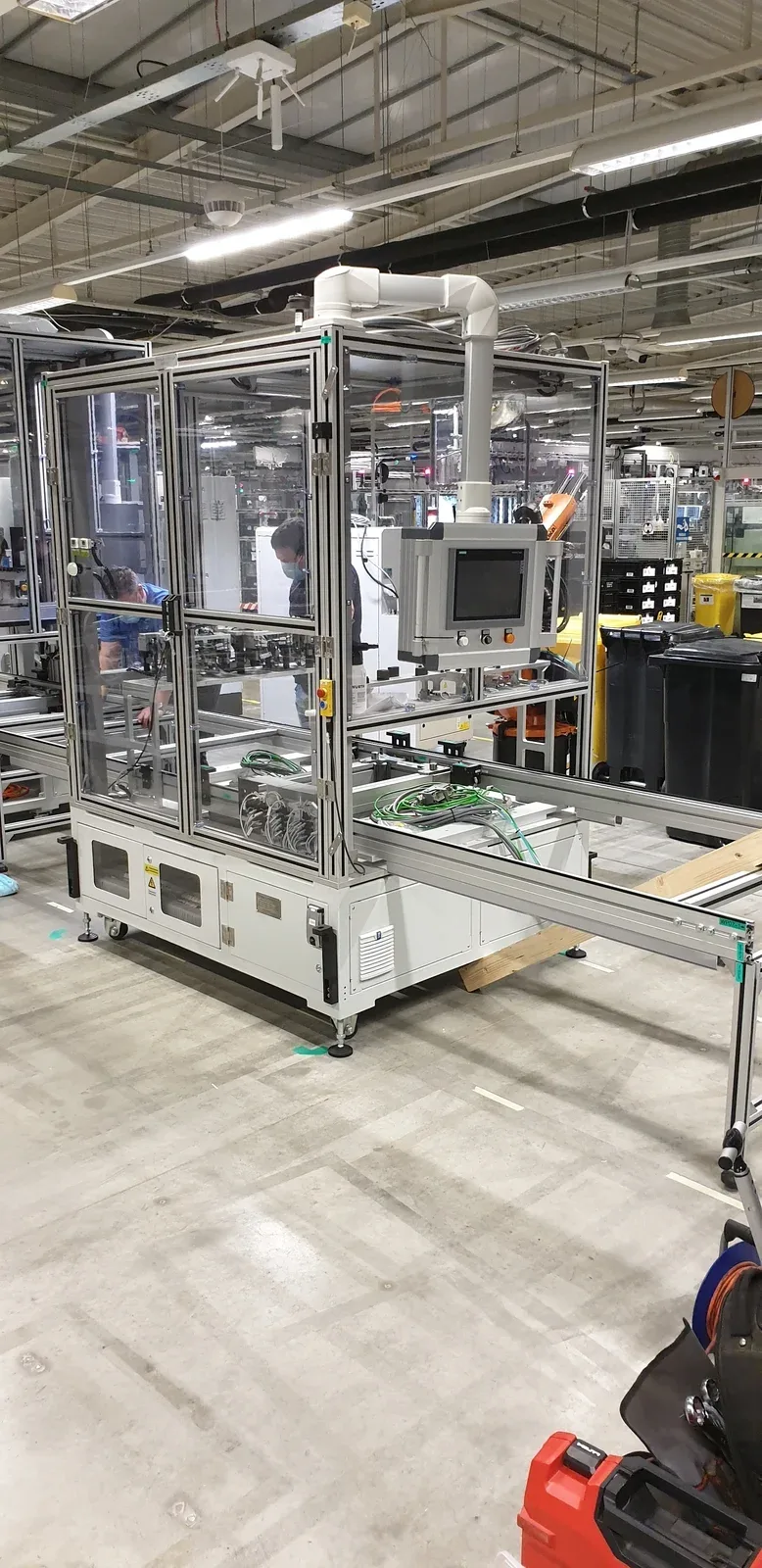
Production, assembly and inspection lines
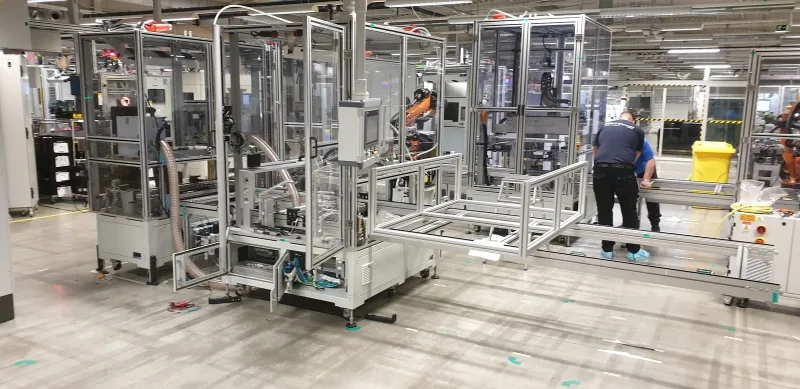
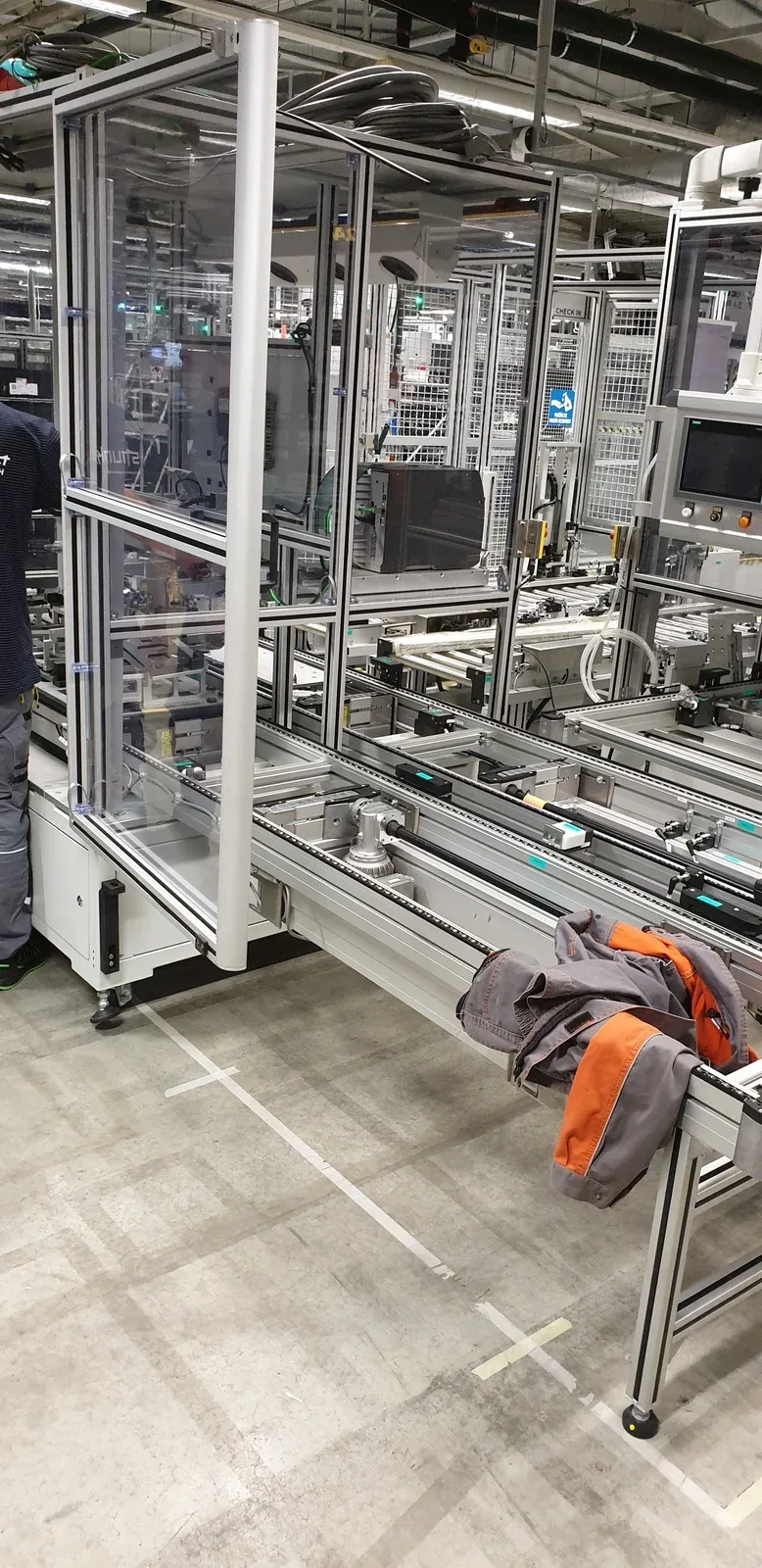
We supply complete lines as well as standalone stations for assembly, inspection and marking. The design is based on part flow, the required cycle time and connections to further production.
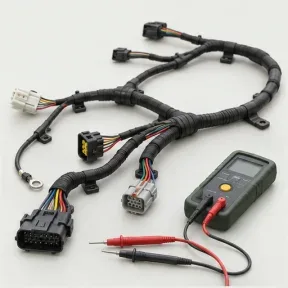
Cable assembly and wiring harnesses
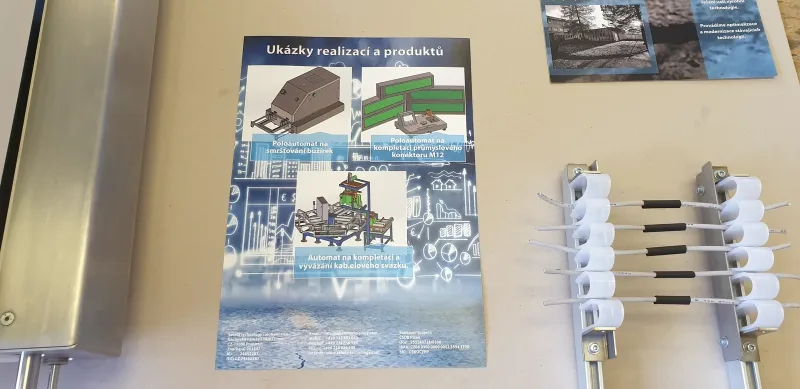
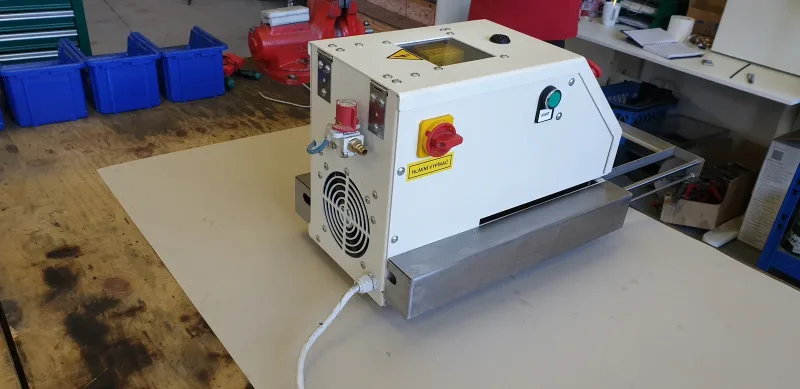
We have experience in checking connector assembly and the electrical connectivity of wiring harnesses, testing them and using automatic wiring harness taping machines.
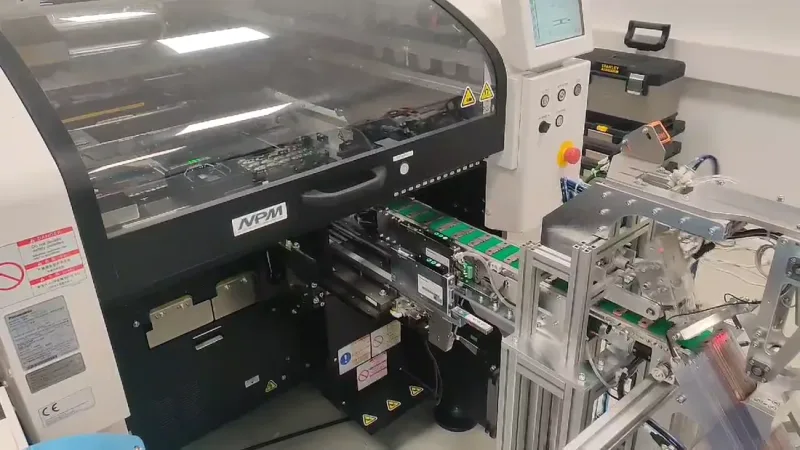
SMT feeders and industrial marking
We supply feeders for Panasonic SMT lines for printed circuit board assembly. We also integrate laser marking stations and industrial inkjet printers into lines.
Automation by industry
We supply solutions for the automotive, food, chemical and aerospace industries. For each project, we work from the operating environment, the characteristics being inspected and the customer's acceptance requirements.
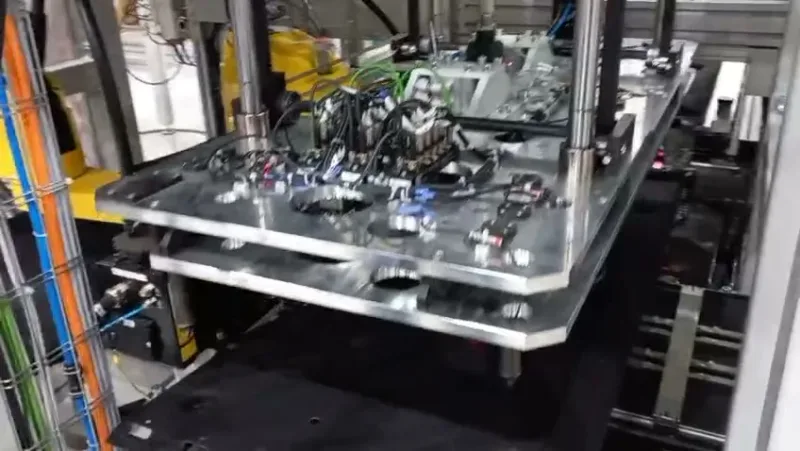
Automotive and series production
Assembly and welding workstations, Poka-Yoke, inspection of components and wiring harnesses. In the specification, we address part variants, cycle time and connection to result records.
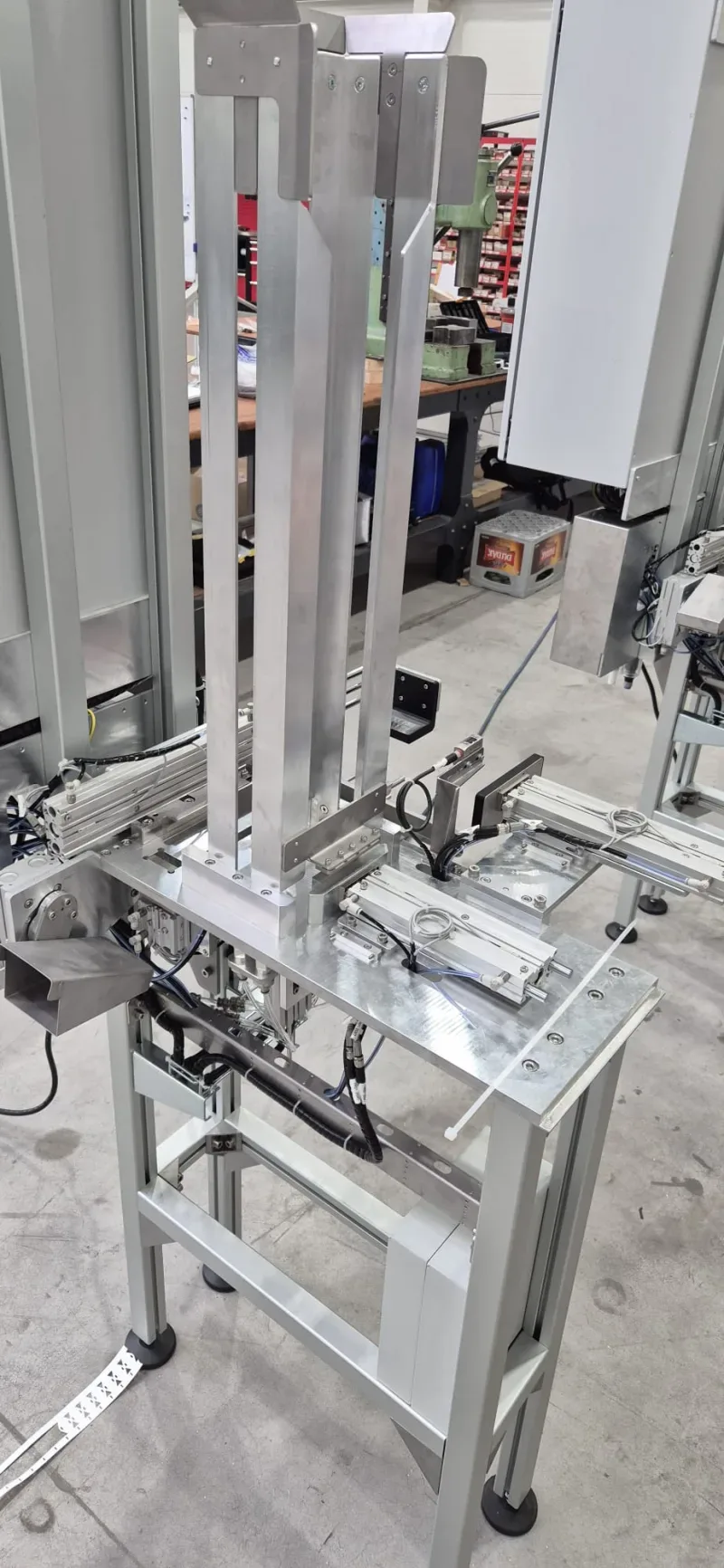
Food industry
Handling of products and packaging or packaging automation. The choice of materials and design is based on the conditions of the specific operation.
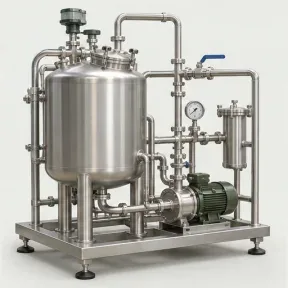
Chemical industry
For handling, marking and inspection stations, we clarify the product properties, the workstation environment and operational requirements right at the specification stage.
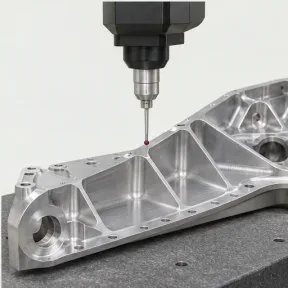
Aerospace industry
For assembly and inspection workstations, we work from the part documentation, the specified inspection characteristics and the required method of recording results.
Support with start-up and modifications of existing lines
We also help when you already have a production line or robotic cell. Depending on the brief, we handle the start-up of equipment from another supplier or the modification of a workstation that is already in production.
Help with breakdowns or supplier failures
When production or deliveries are at risk, we can combine external maintenance, emergency service, repairs and express part production. We put together the scope of the solution according to the fault and the needs of the operation.
External service and emergency call-outs Express production and repairs
Electrical installations and inspections in cooperation with Elektro Hán
Elektro Hán specialises in electrical installations, electrical inspections and industrial relocations. In your enquiry, state the type of equipment, the location, the scope of work and the deadline. Based on the brief, we will clarify the connection to control cabinets, control systems and commissioning.
Partner contact Control cabinet manufacture Request a solution
Industrial automation projects
More photo galleries of equipment and fixtures:
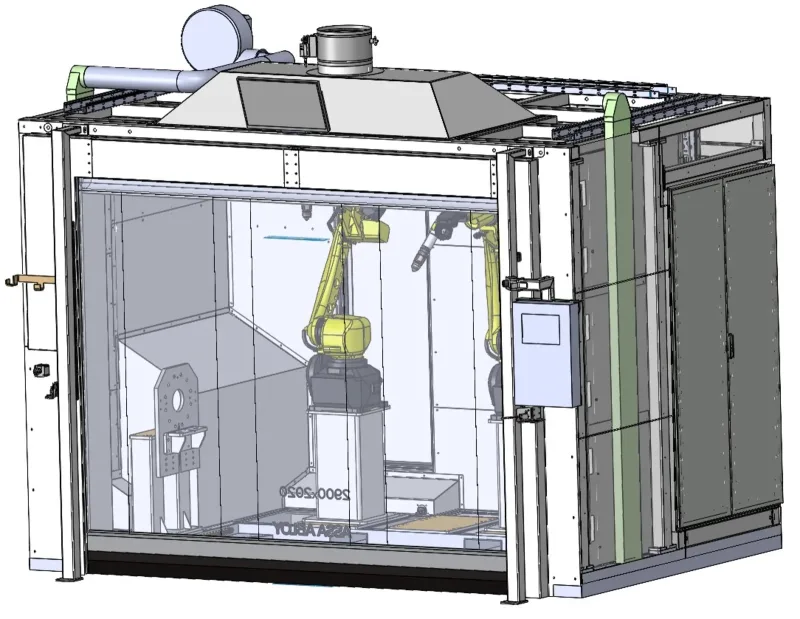
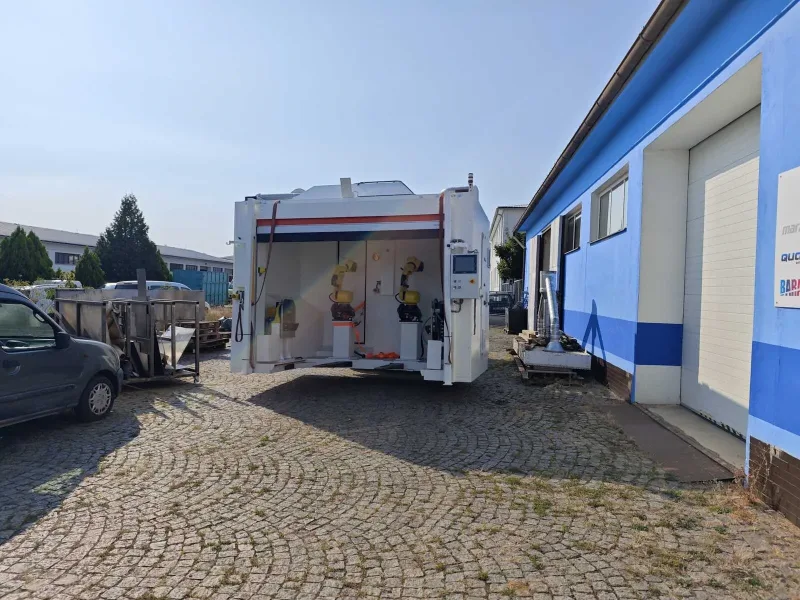
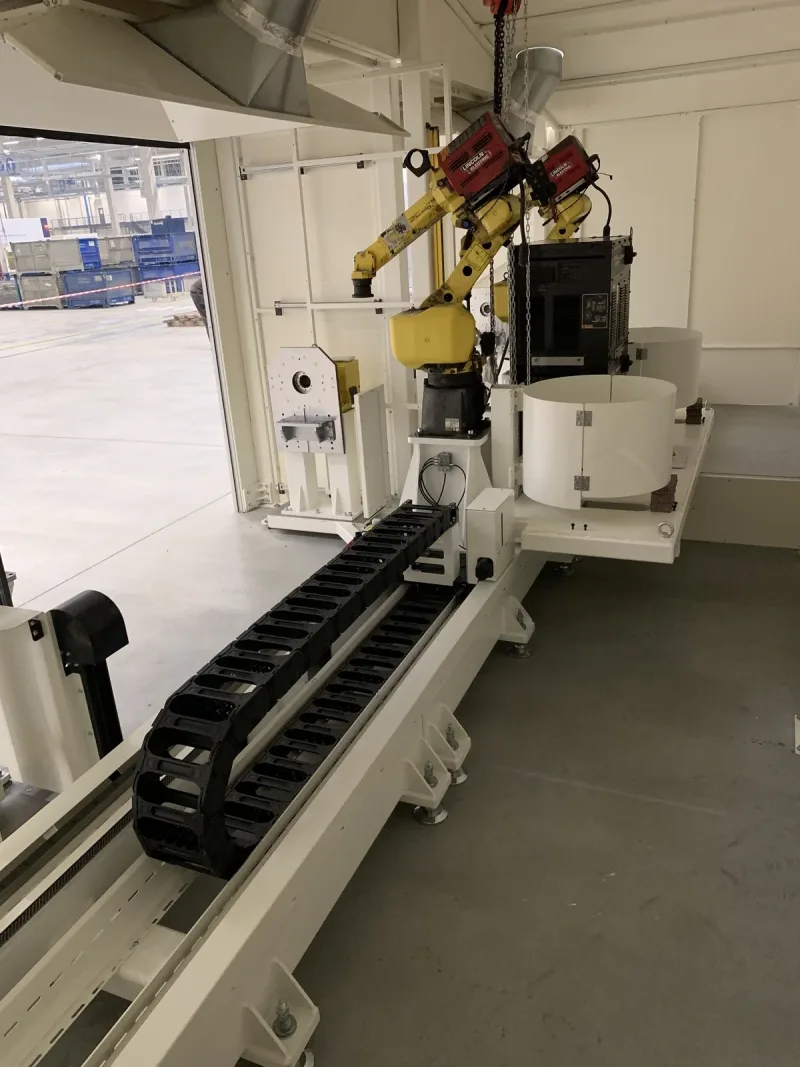
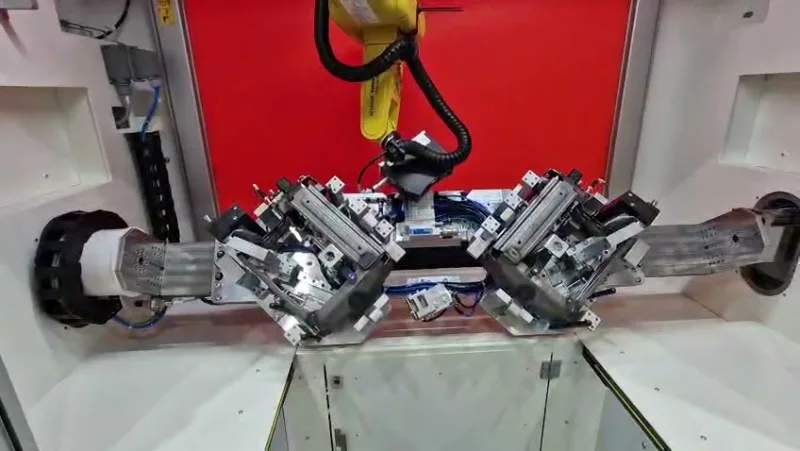
Robotic cell for plasma cutting
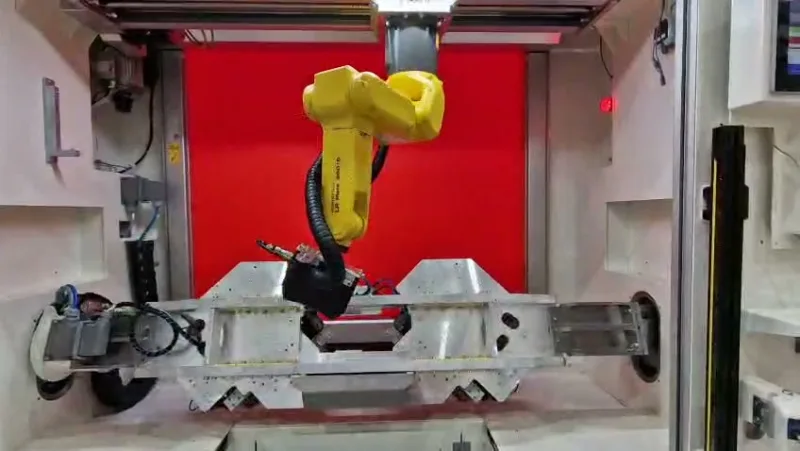
A cell with two robots for cutting bumper reinforcements. The project included the design, the mechanical and electrical parts, and installation. See an example of a robotic workstation delivery.
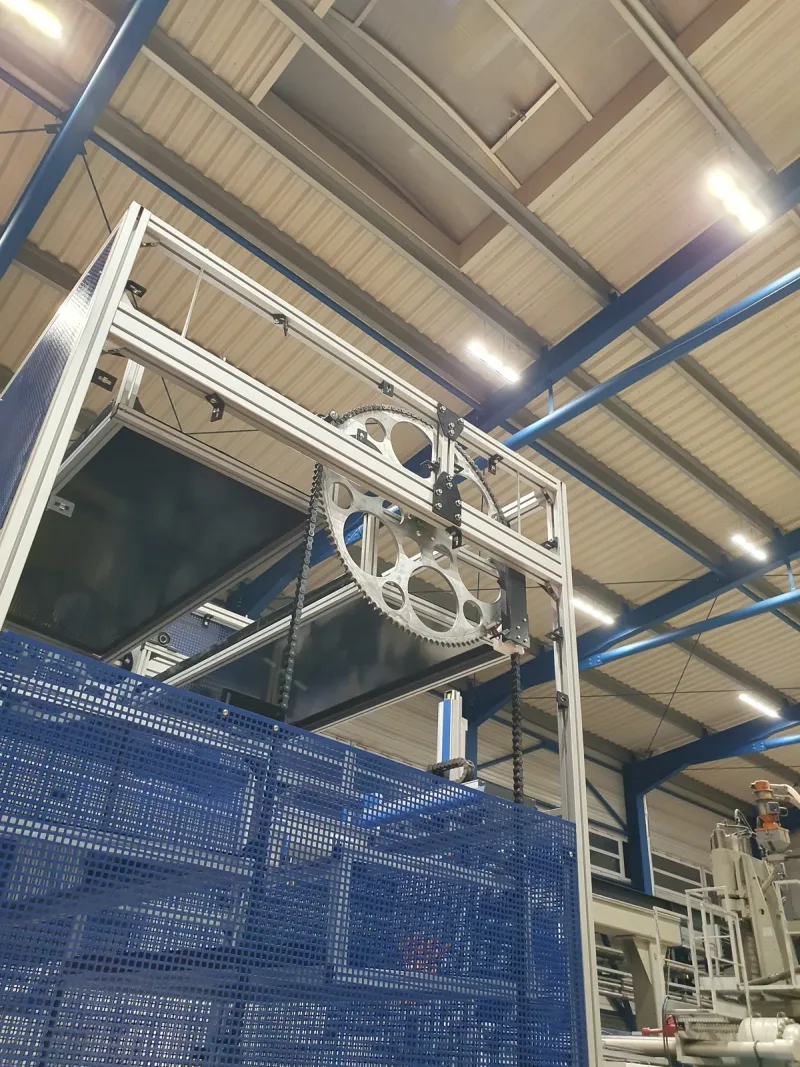
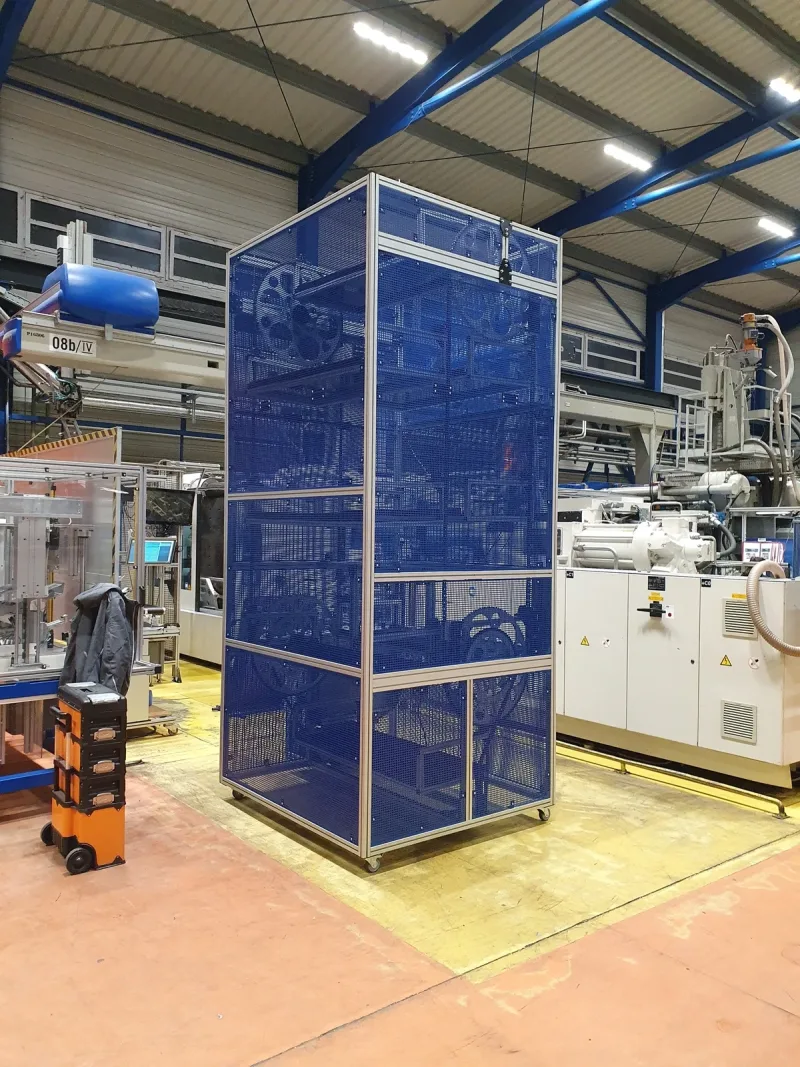
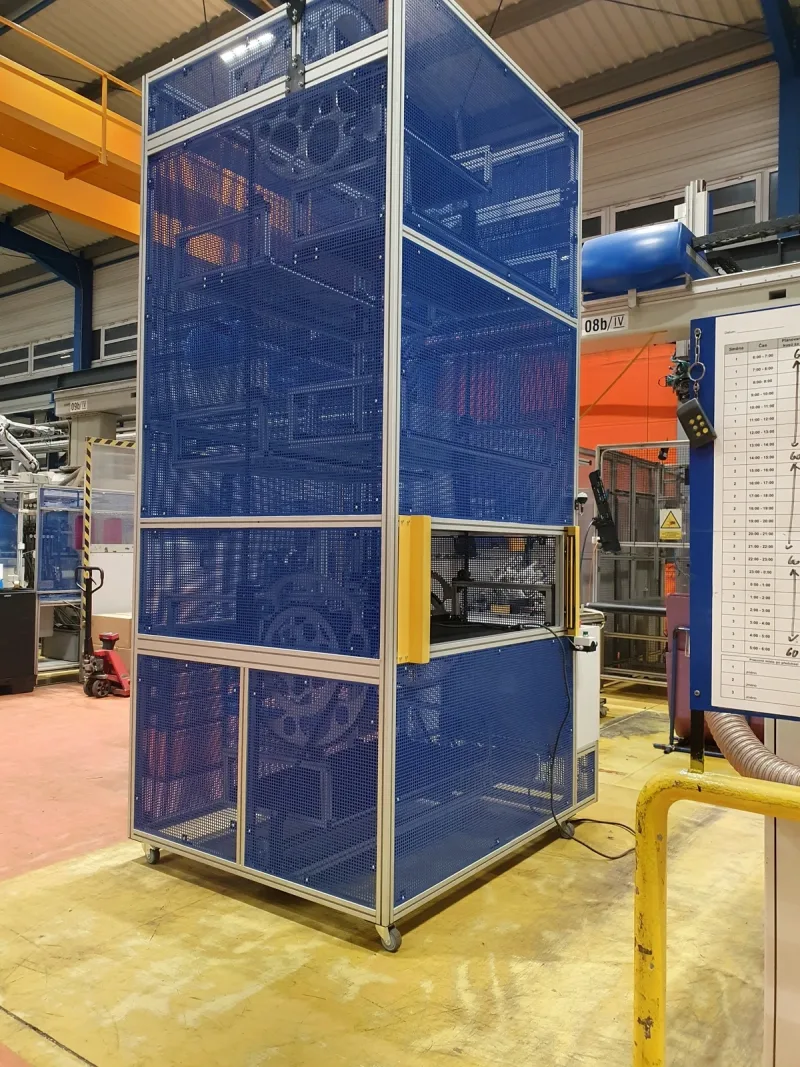
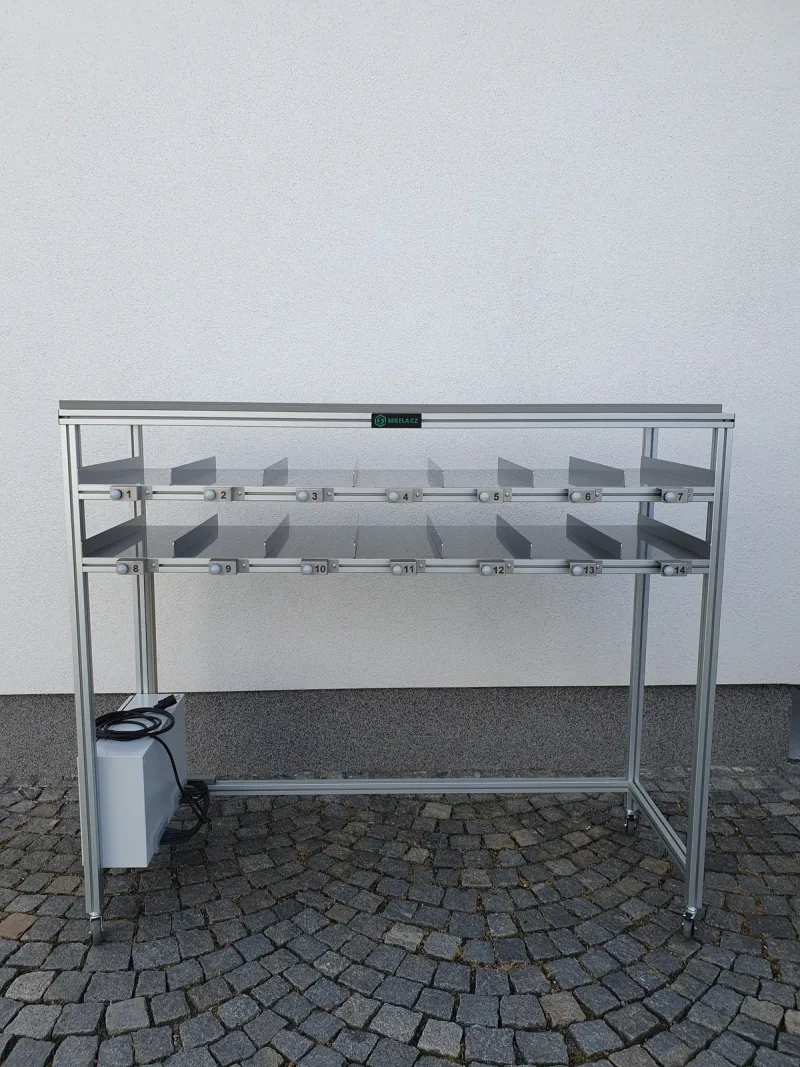
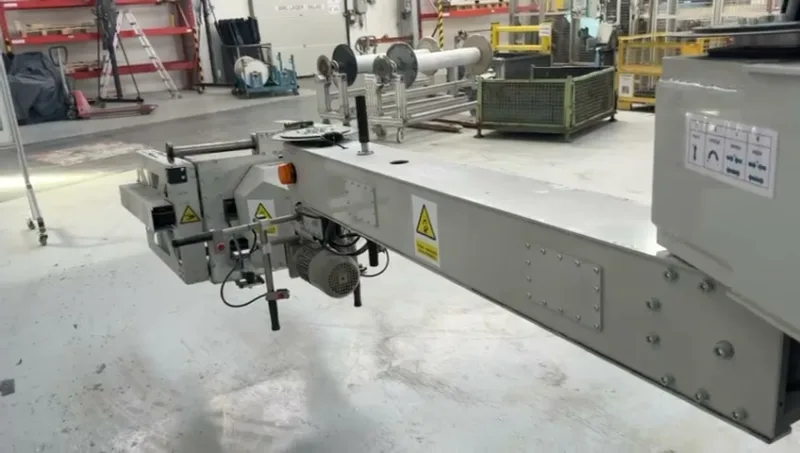
Cooling paternoster for injection-moulded parts
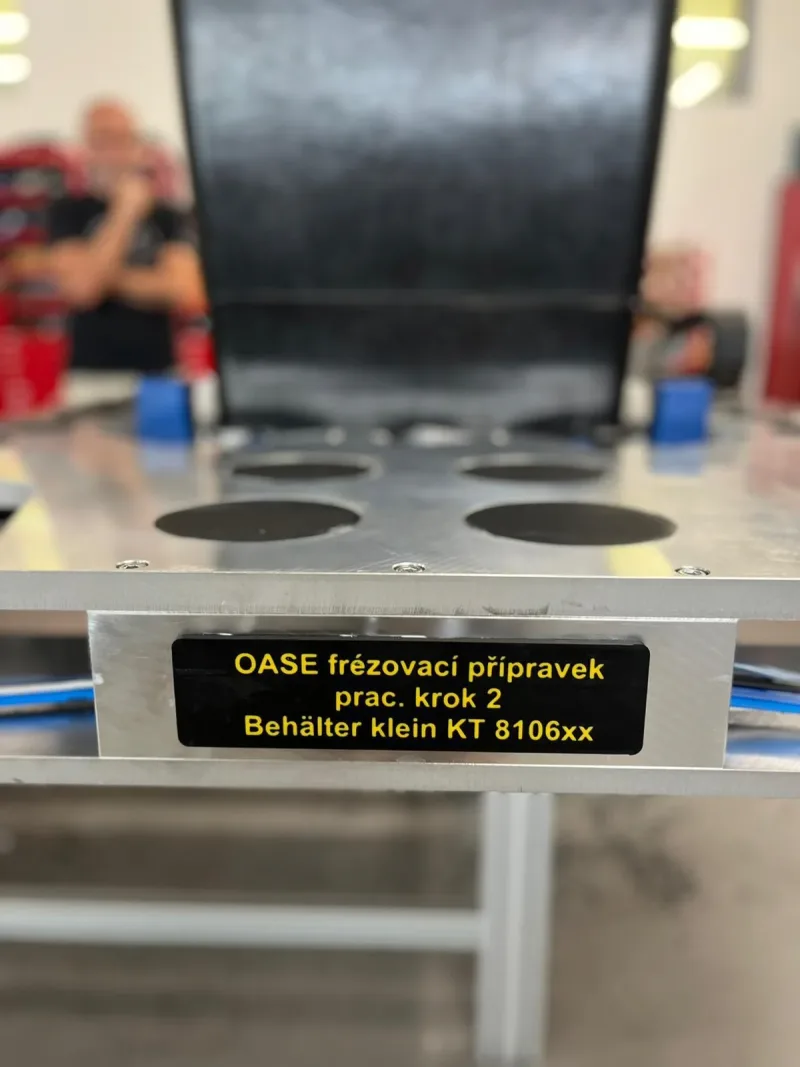
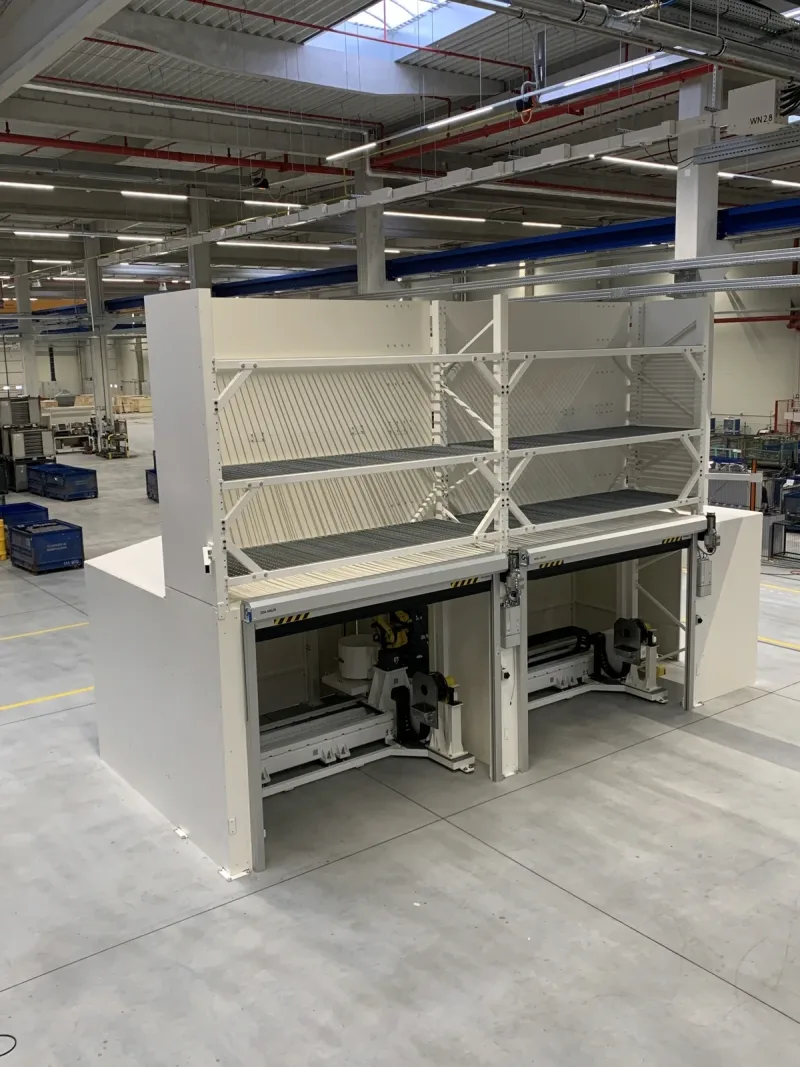
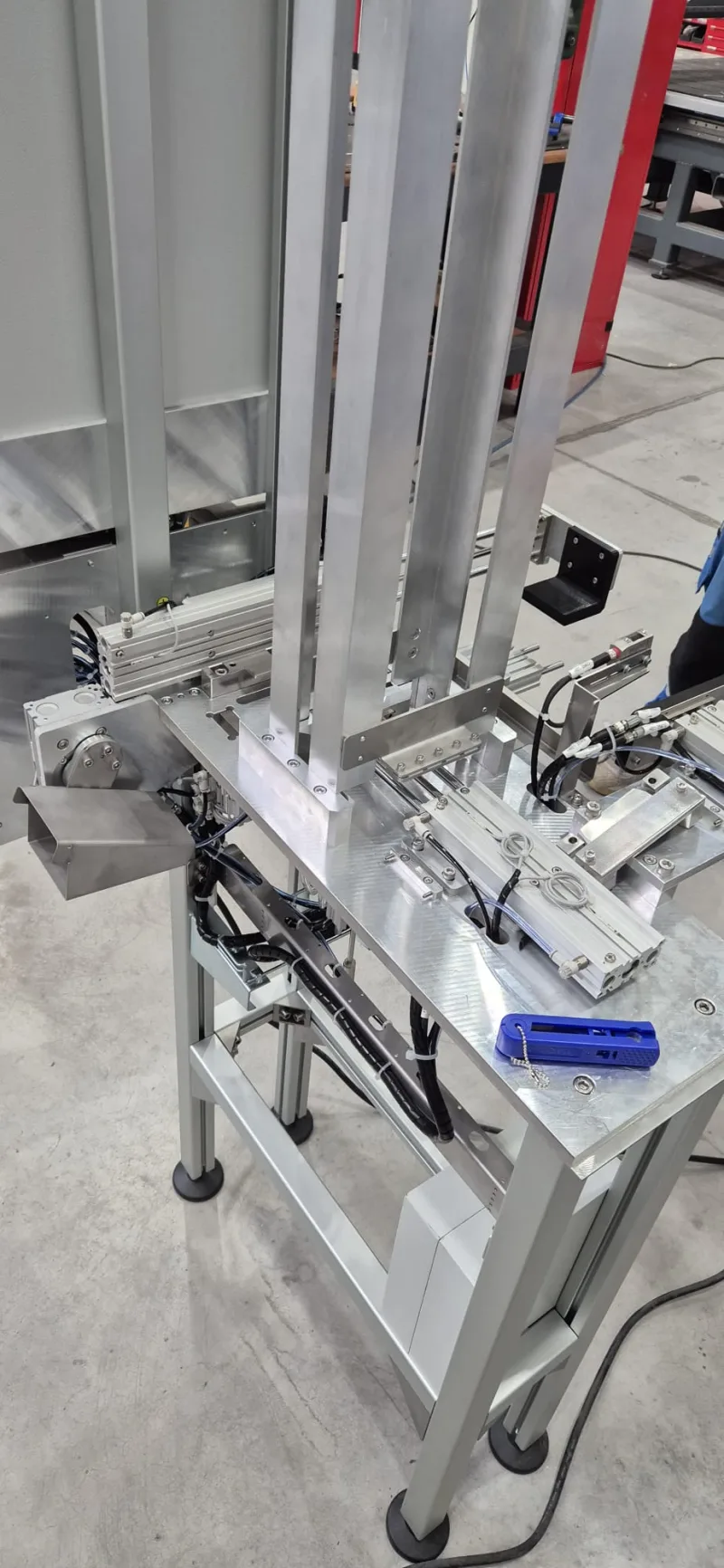
A paternoster-type cooling rack designed around the injection moulding machine cycle and the spatial conditions of the workstation. The rack for this application holds 12 large parts.
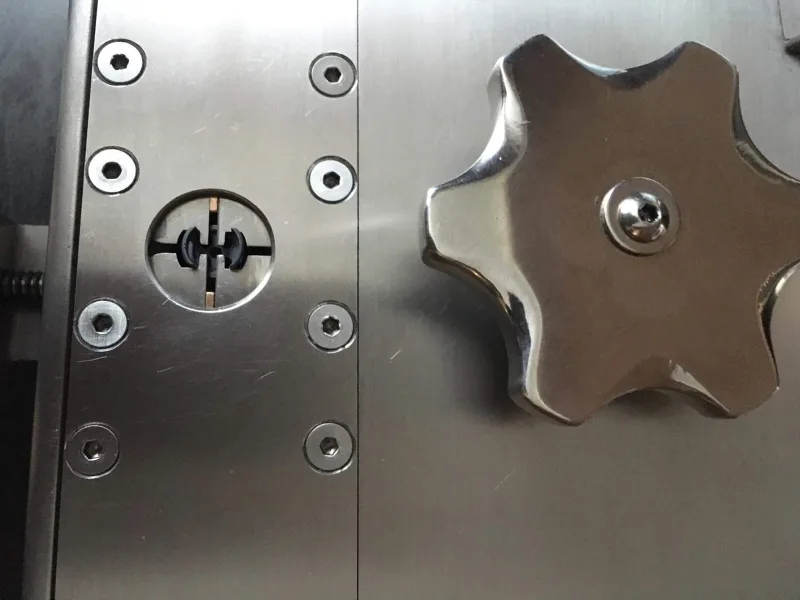
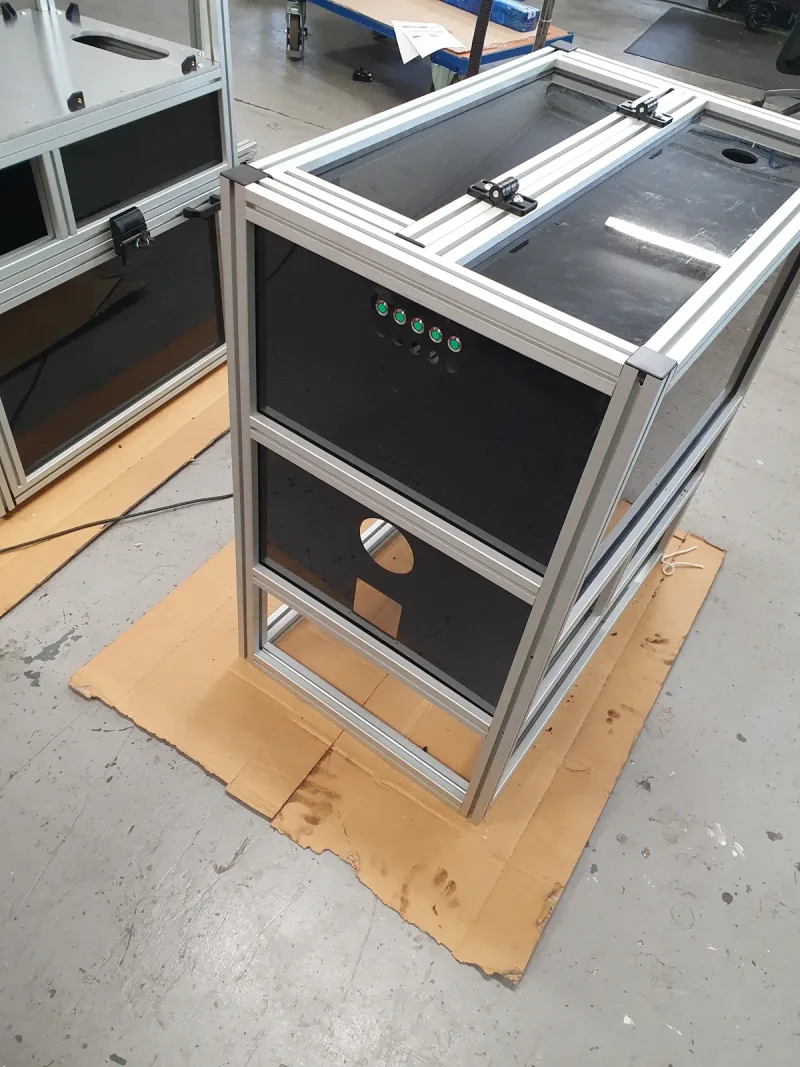
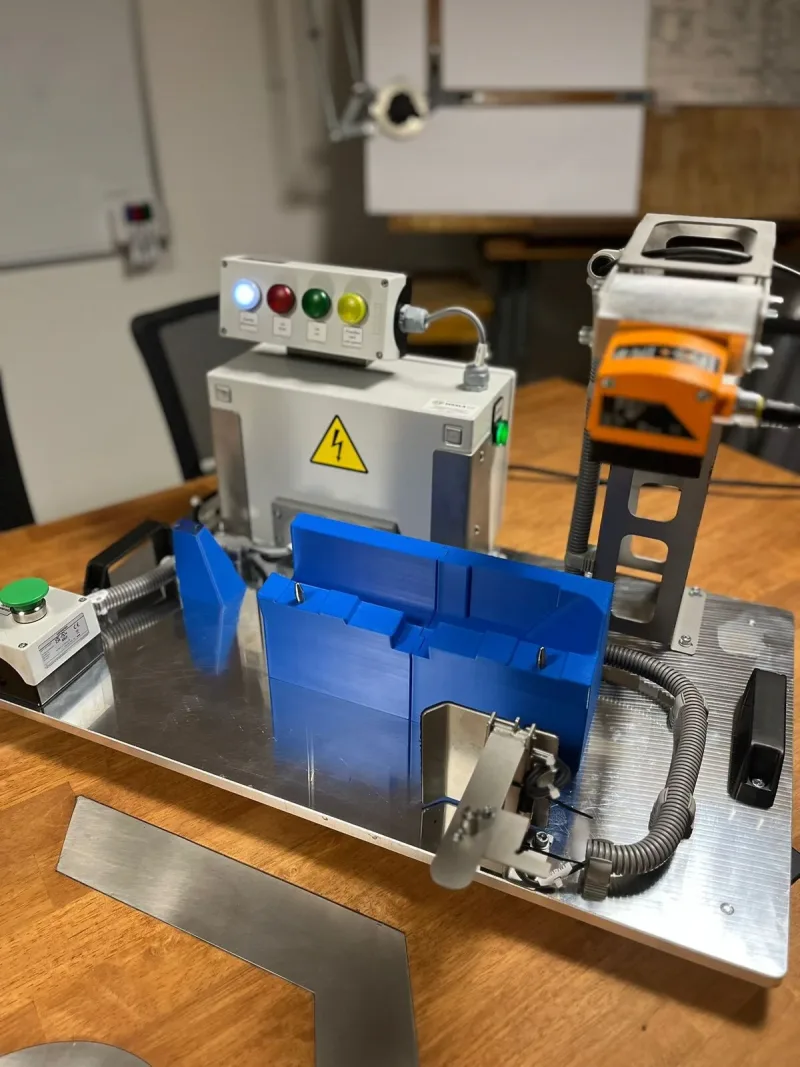
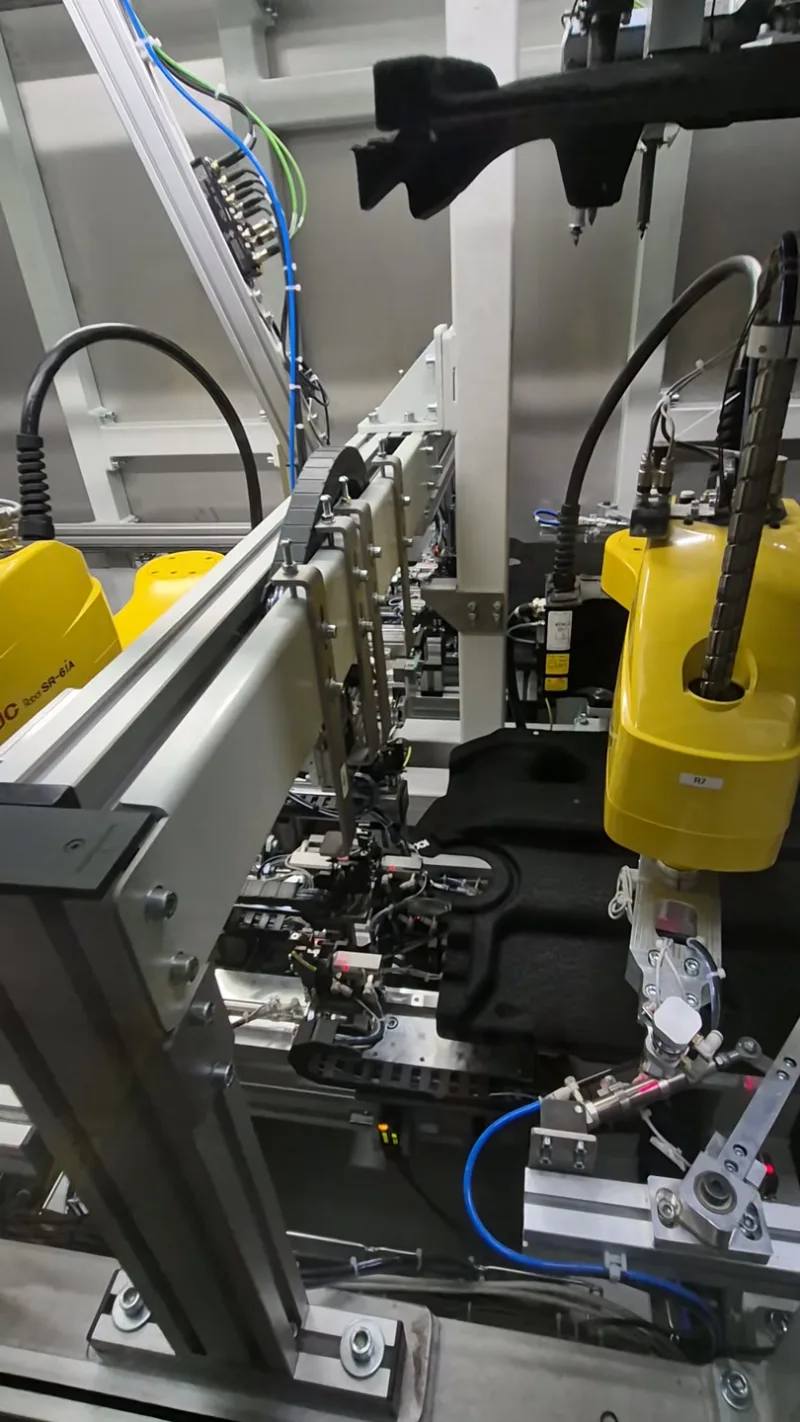
Fixture for guided assembly of M12 connectors
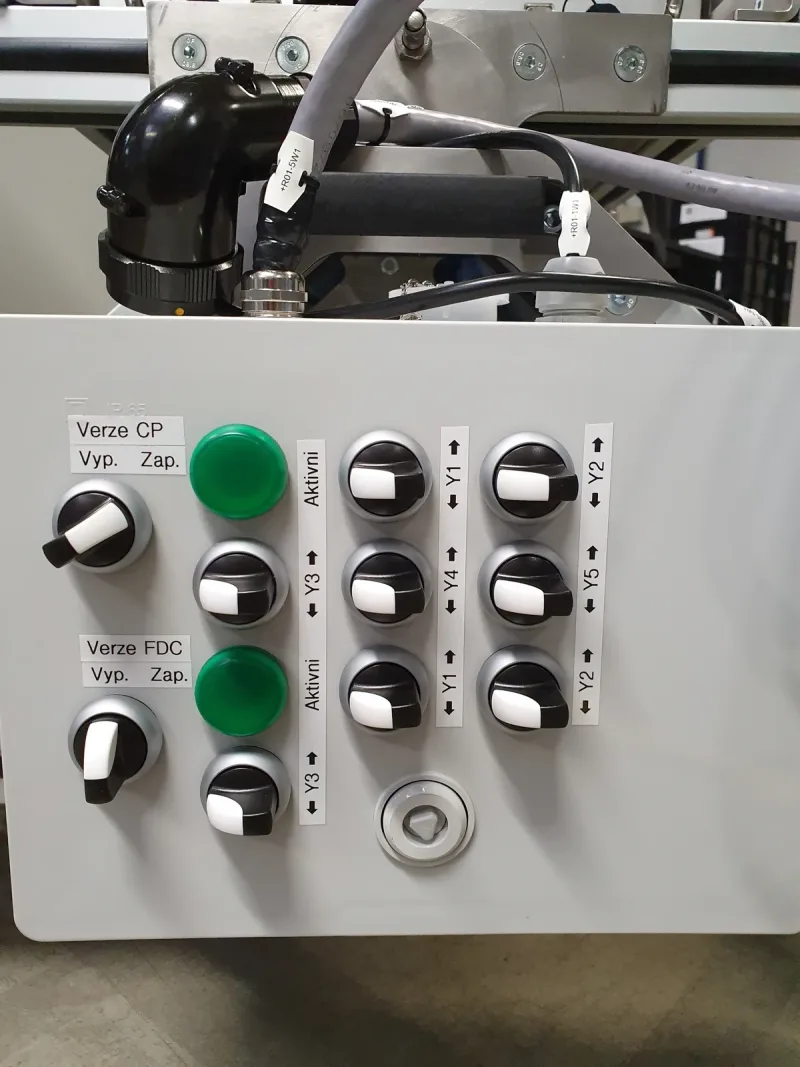
An assembly workstation that checks the correct wire selection for six types of M12 connectors. An example of combining assembly with preventing operator errors.
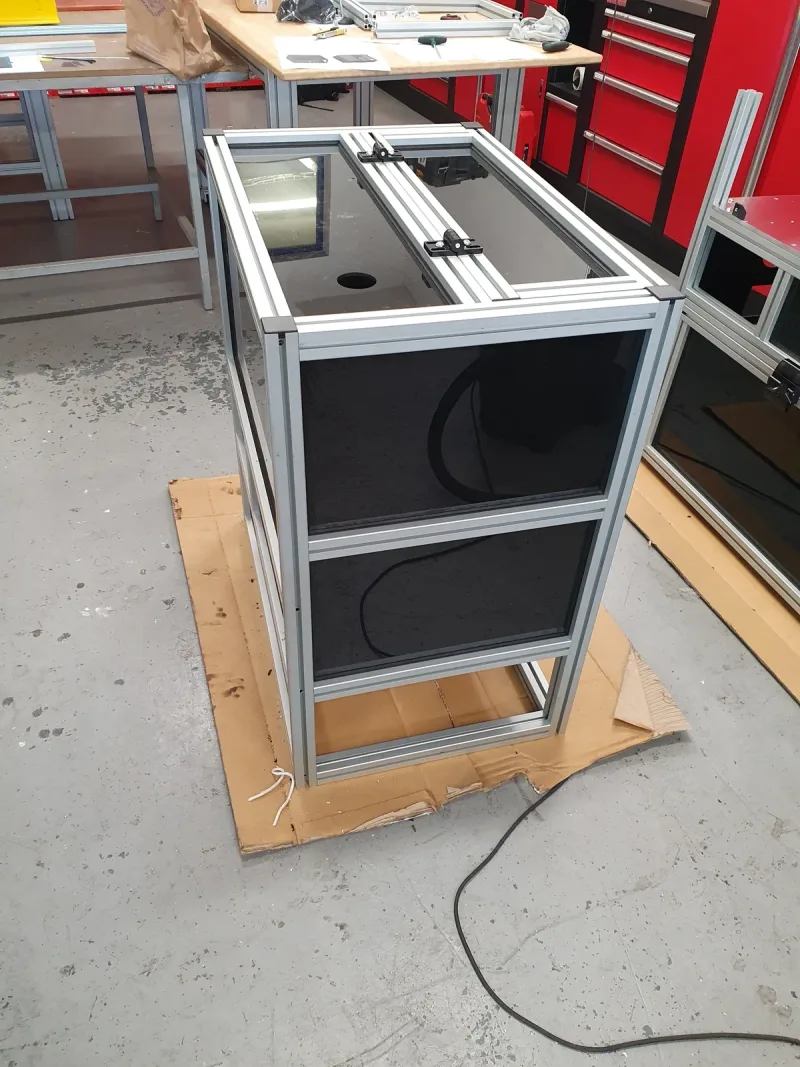
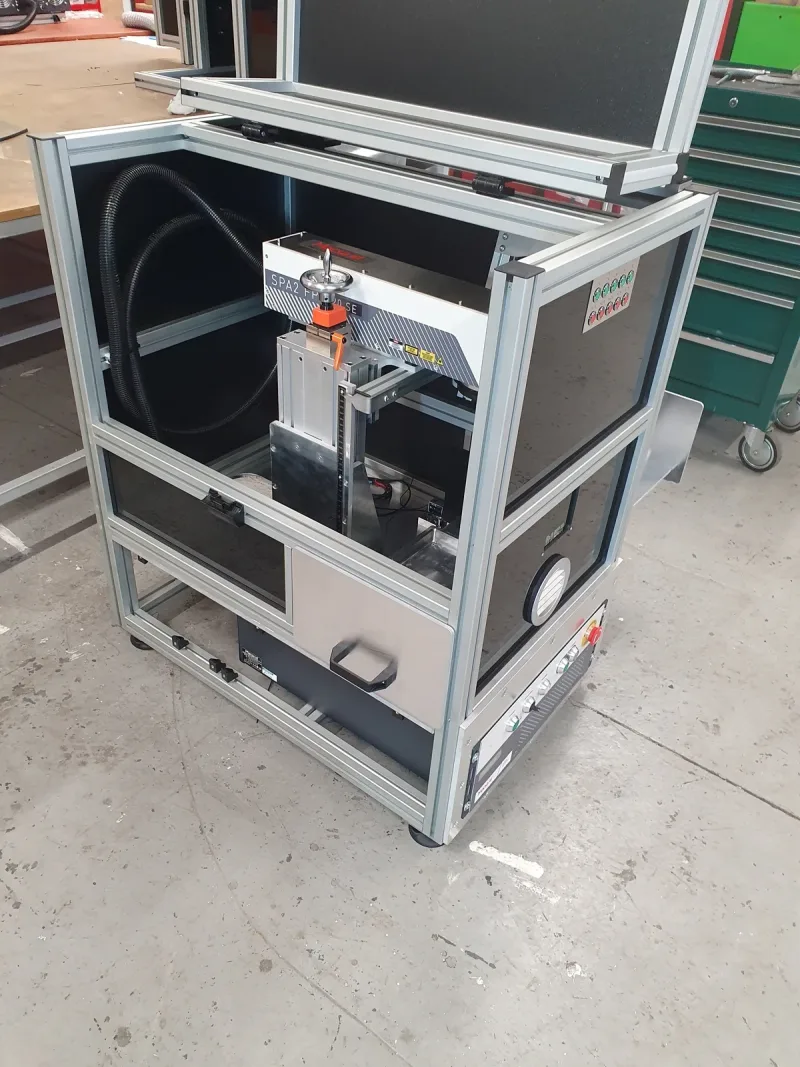
Laser marking and DMC code inspection
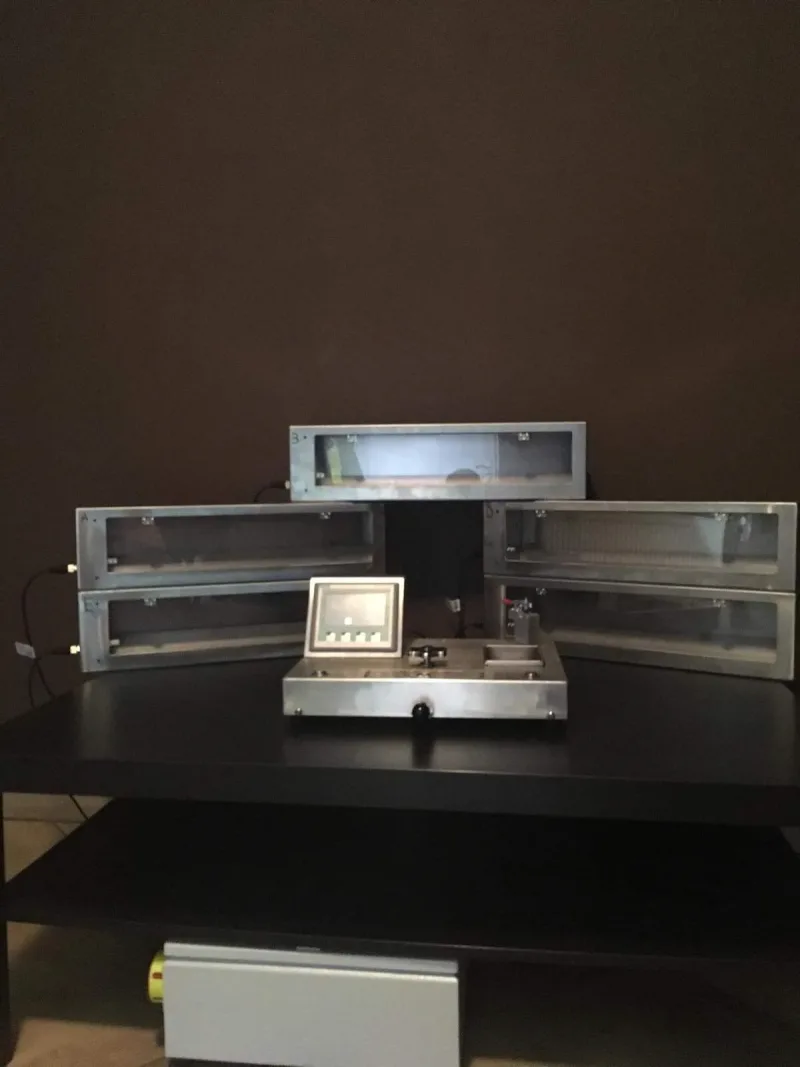
The machine marks paper medicine boxes and then reads the generated codes. The program checks the data contained in the codes.
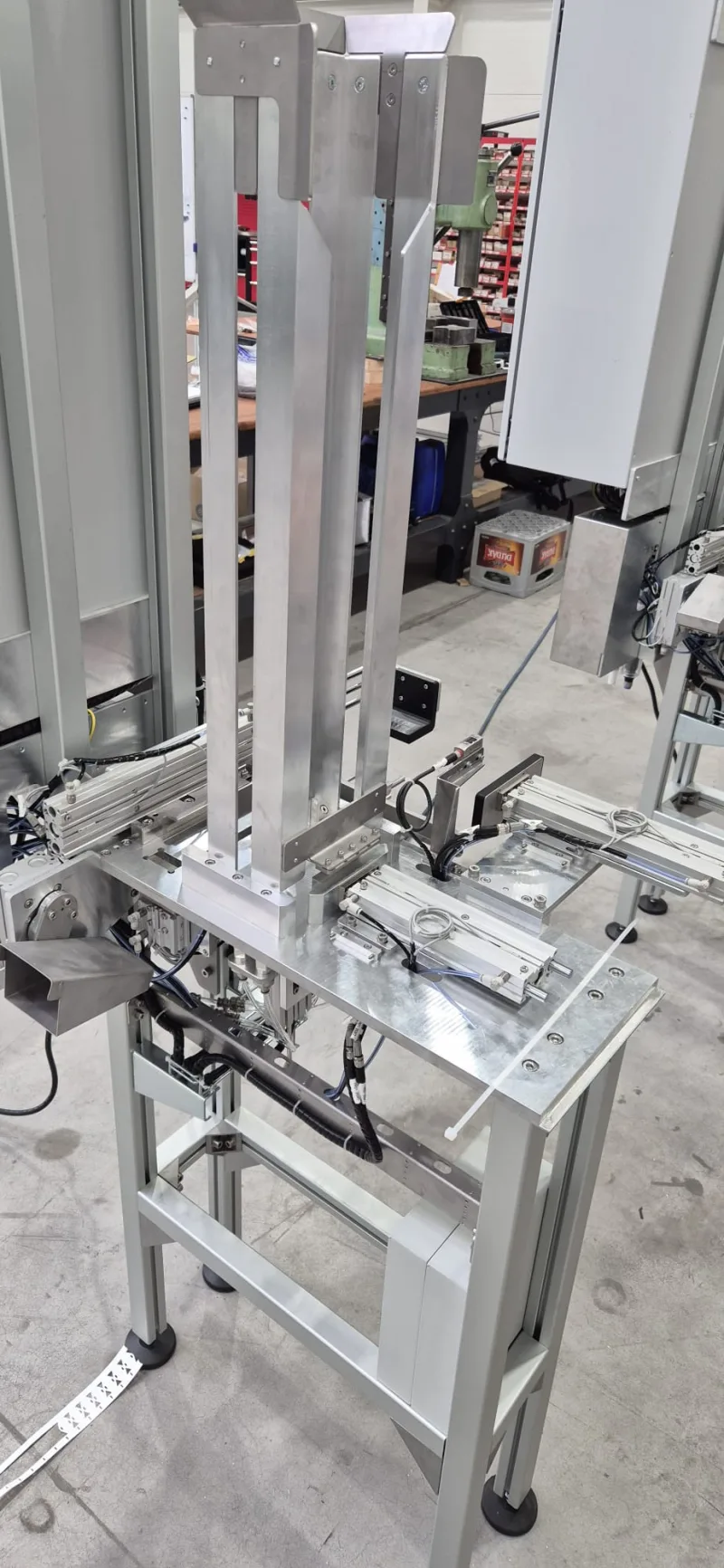
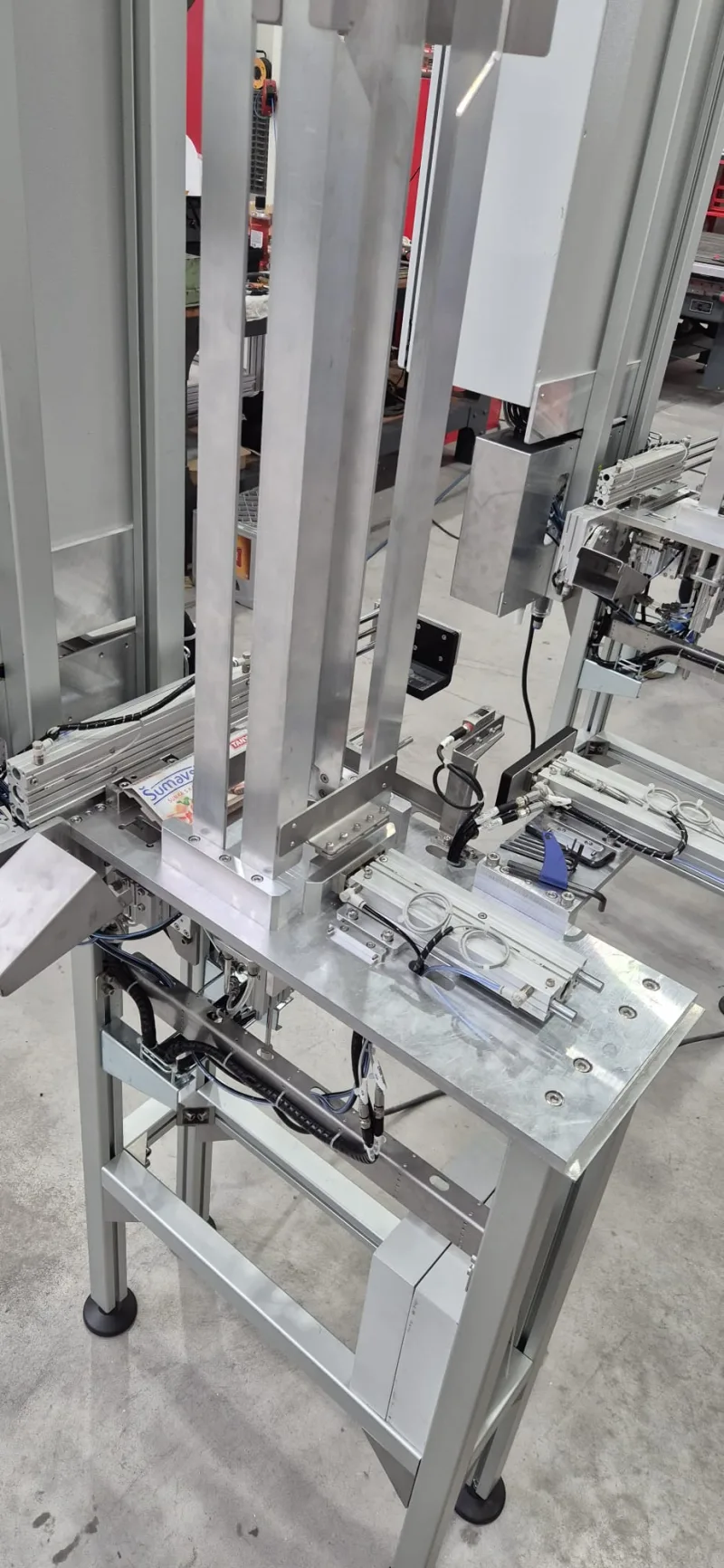
Four manipulators for cheese packaging
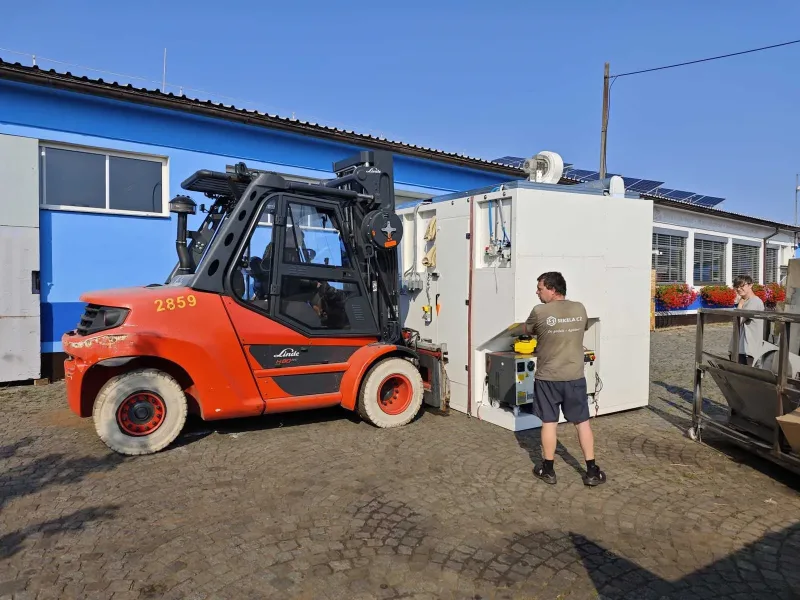
Four manipulators for cheese packaging. Photos of the actual equipment and details of its design.
What we need to know about your production
For the first meeting, link the part description to how the part currently moves through production. These three areas help define a meaningful scope of automation.
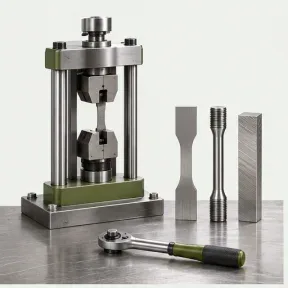
Product and required output
Describe the part variants, the loading position and sensitive surfaces. Add the loading, processing, inspection and unloading times to the cycle time. For multiple products, state how often they change and what is reset at a series changeover.
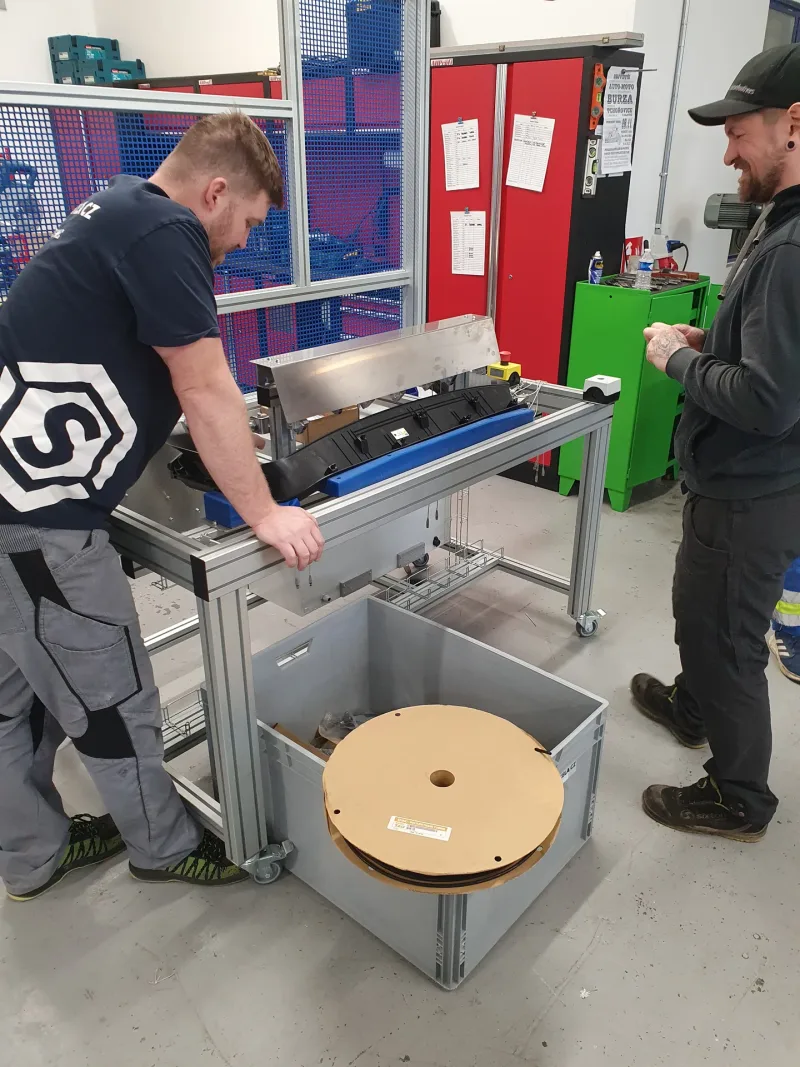
Operators and workstation space
Specify the steps that should remain with the operator, as well as current delays or recurring errors. Attach a layout showing access for operators and maintenance, available utilities and the points where the part arrives and leaves.
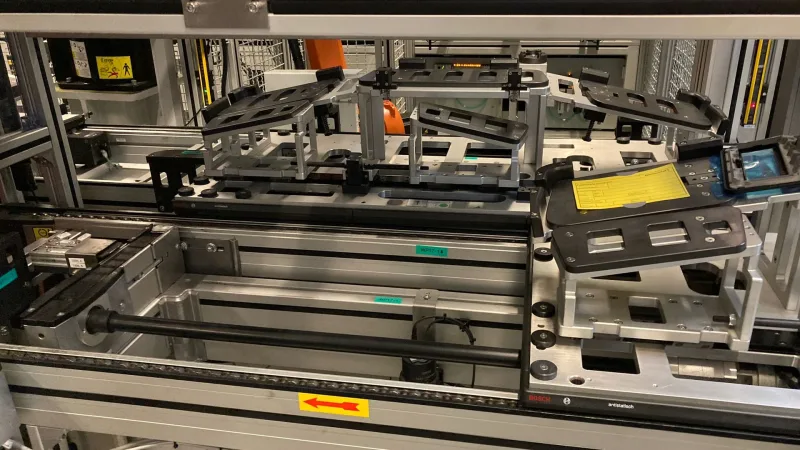
New and retained parts
Mark the equipment you want to keep and how it connects to the new solution. State what you will supply yourself or through another supplier. The split of mechanics, electrical and control must match the agreed scope.
From brief to a verified workstation
Go through the four steps of the project and see what we clarify together before the design, installation and handover of the equipment.
We clarify the brief
What should the equipment be able to do?
We go through the current production process, the part variants and the required output. We determine which operations the equipment should take over and which remain with the operator.
Step output: We agree on the required result and the conditions for verifying it.
We design the solution
How will the equipment fit into production?
We prepare a concept and define the SEKELA CZ scope of supply as well as the interfaces with the customer and partners. Depending on the brief, we specify the design, fixtures, robotics, measurement and control.
Step output: We agree on the scope of supply, the required documents and the deadline.
We prepare the installation
What must be ready on site?
We check the connections to existing machines and the workstation conditions. When modifying equipment in operation, we agree when and to what extent a shutdown is necessary.
Step output: We clarify workstation readiness and responsibilities before installation.
We verify and hand over
How will we know the solution works?
Tests are based on the agreed products and operating conditions. We hand over documentation, program files and training to the agreed extent.
Step output: At handover, we check the agreed functions and the documents being handed over.
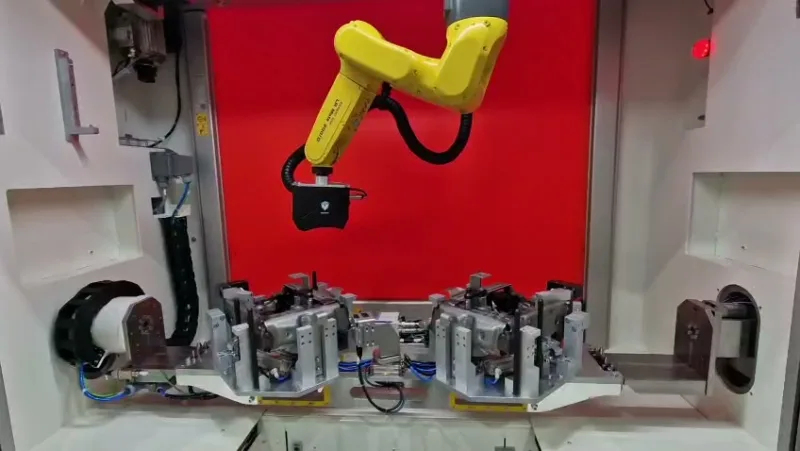
ScanMach - robotic 3D measurement of bumpers
A fixture and a positioner set the part for measurement. A robot on a linear track guides the 3D sensor over the inspected areas.
You know in advance how the solution will be accepted
We relate acceptance to the specific brief. The scope of tests and documents to be handed over is agreed while preparing the order.
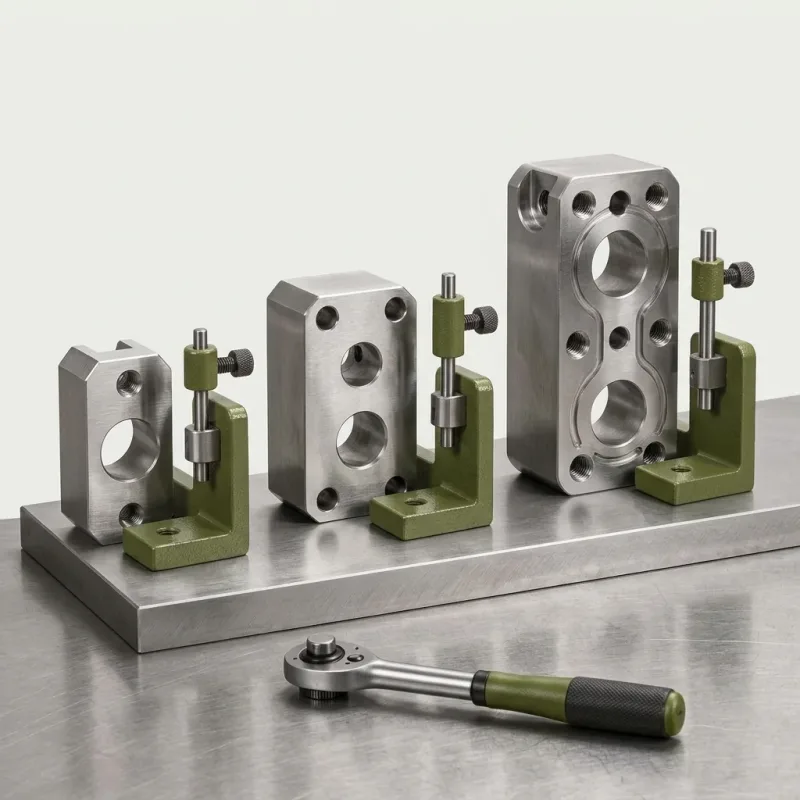
Functions and product variants
We determine which operations and variants are to be demonstrated, with which parts and under what operating conditions.
Output and correct result
We agree on how the cycle and the required quality will be verified. Machine movement alone does not replace verifying the result on the product.
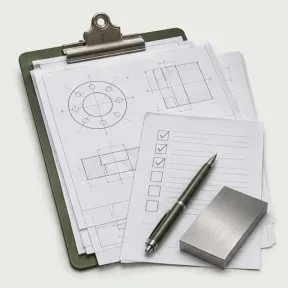
Documentation and follow-up support
We define the documentation, program files, training and required support. We identify parts and documents from other suppliers in advance.
How to compare two automation proposals
When comparing solutions, look at the same product, the same operations and the same scope of supply.
One proposal may cover only the work cycle, while another also includes loading the part, inspecting it and unloading it. Therefore relate the required output to the entire agreed operation and describe which steps remain with the operator.
Define the mechanics, control, fixtures and follow-up work in the same way. Include the testing and handover method in the comparison too; without a common brief, offers may describe different results.
What customers need to know before sending an enquiry
What should we prepare for an automation enquiry?
Describe the current operation, the product variants, the required result and the cycle time, if you know it.
Do we need a finished technical specification?
For the first meeting, a description of the operation, the problem and the required result is enough. Photos or a video help. If you have a prescribed technology or company standard, please state it.
Can just one operation be automated?
Yes. A standalone assembly or inspection workstation can handle a single operation as well as its connection to the surrounding production. Describe the input part, the required output, the operator's work and the required cycle time. We assess the scope of the solution based on the specific process.
Can a machine that is already in production be modified?
We assess whether intervention is possible based on the machine's condition, documentation and access to the control system. State which parts you want to keep and when a shutdown can take place.
How do you determine price and lead time?
Based on the operation, product variants, required output, the scope of mechanics and control, component availability and installation conditions. A specific quotation is based on a refined brief.
What will the handover include?
We define tests, documentation, program files, training and any support for the specific order. This makes it clear in advance how the delivery will be accepted.
What if we switch between several products during a shift?
State all the required variants, batch sizes and changeover frequency. A description of what changes between series helps: the part, tool, fixture or settings. This information makes it possible to assess a common solution and the operator's work during a production changeover.
FANUC Robot Partner 2026
SEKELA CZ is an authorised FANUC system integrator. The Robot Partner certificate for 2026 was issued on 4 February 2026.
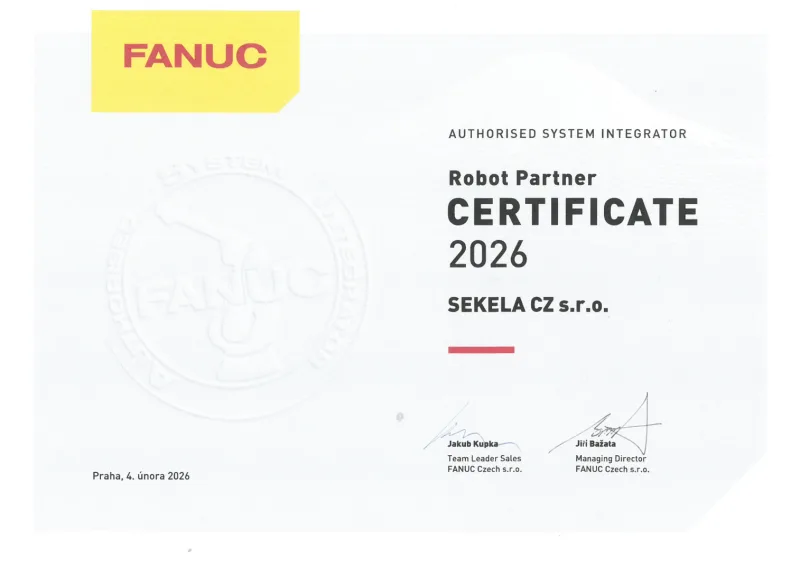
FANUC partner certificate 2026
Authorised System Integrator · Robot Partner · SEKELA CZ s.r.o.
What do we provide?
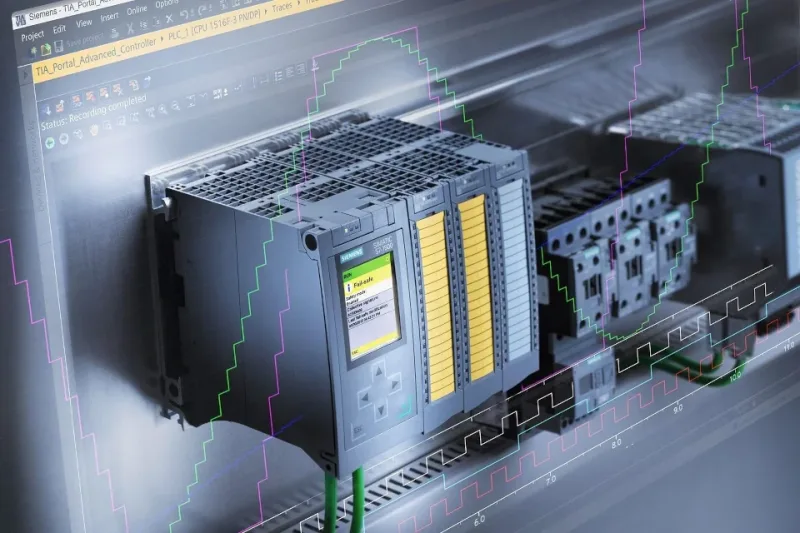
PLC programming
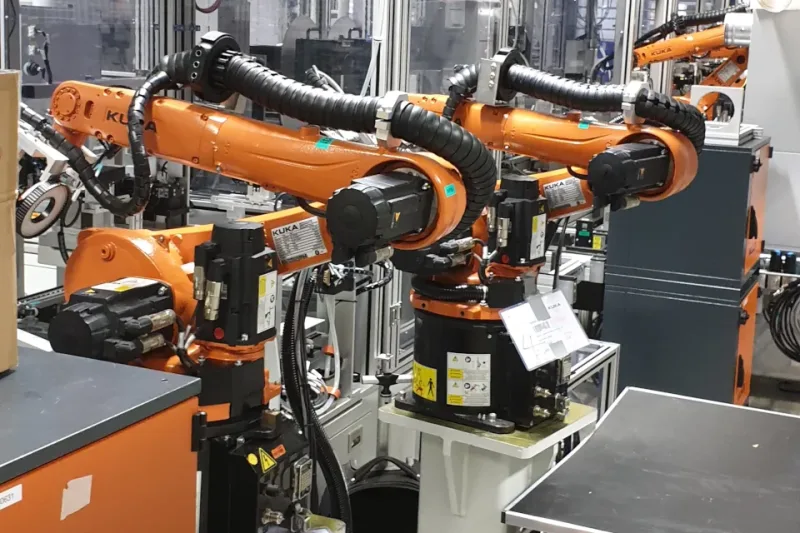
Robot programming and robotic cells
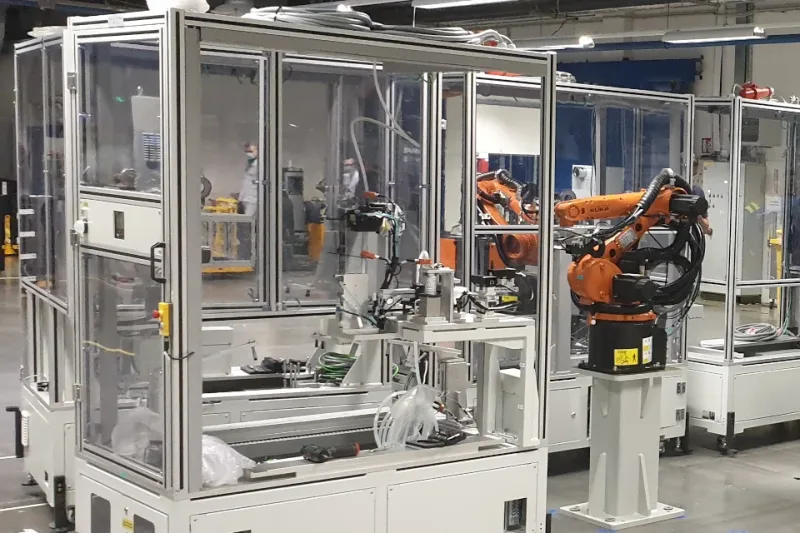
Production, assembly and inspection lines
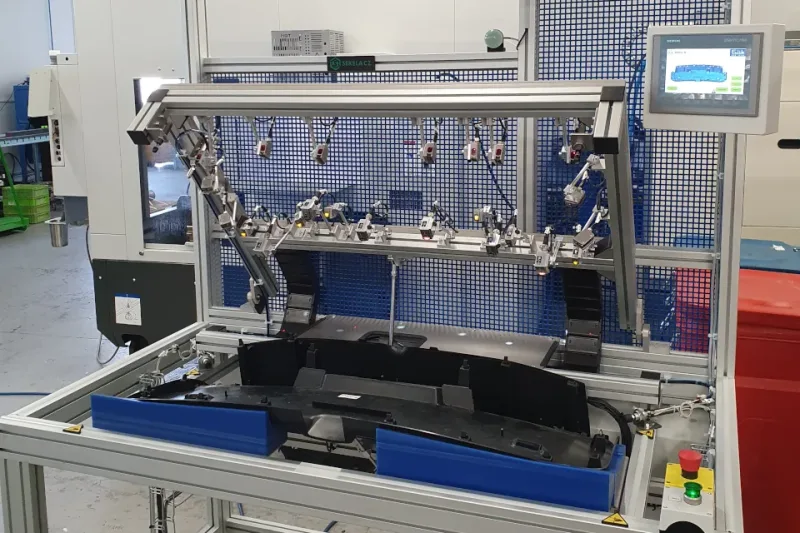
Assembly, inspection and clamping fixtures
Companies we work with

















We automate your production processes
We make sure every minute of production is used as efficiently as possible.
We help with implementing robotics as well as with maintenance and service, so you achieve maximum reliability and performance.
Who our solutions are suitable for
Automotive
Mechanical engineering
Food industry
Pharmaceuticals
Series production
Quality control
Production process optimisation
Robotisation
How would you like to contact us?
Contact us directly
+420 778 080 606 sekela@sekela.cz
Continue via the enquiry form
Describe what you need. You can attach supporting documents.