
 Česky
 Deutsch
 Italiano
 Polski
 Français
 Srpski
Engineering design and prototype development for production
We develop, test and innovate.
From a technical brief, we prepare the design of a machine, fixture or prototype. At the outset, we clarify the function, the space and the operating constraints. We also agree what is to be verified on the prototype or during testing and what will determine the next stage of development.
What question should the development answer?
Mechanical engineering and development help turn a required production operation into the design of a special-purpose machine, equipment or fixture. Do you need to assess options, solve a workstation layout or verify how a prototype works? Describe the current situation and the result on which you will base your decision about the next step. We agree the scope of design work, documentation and any manufacturing in advance.
A design in progress also helps: tell us what already works, what has not succeeded and what constraints the new solution must respect.
Mechanical engineering, equipment development and prototyping
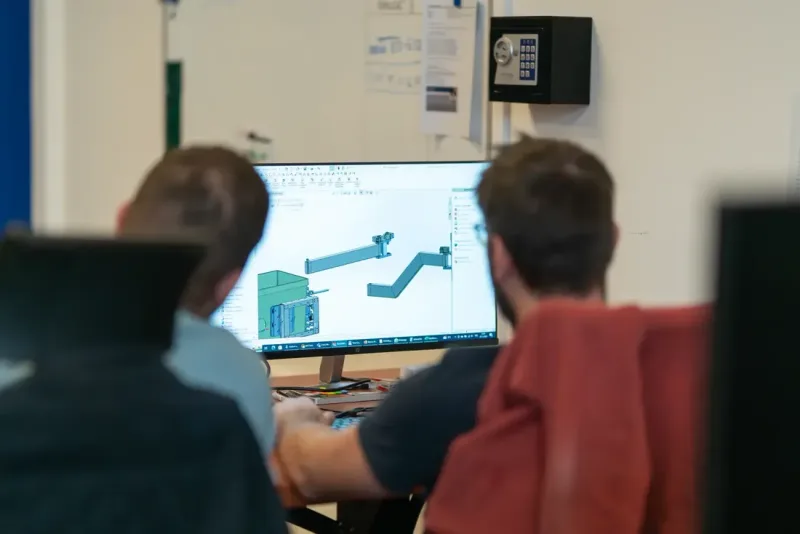
Design of the operating principle
How the equipment is to perform the required task. We start from the product, the operating conditions and known constraints.
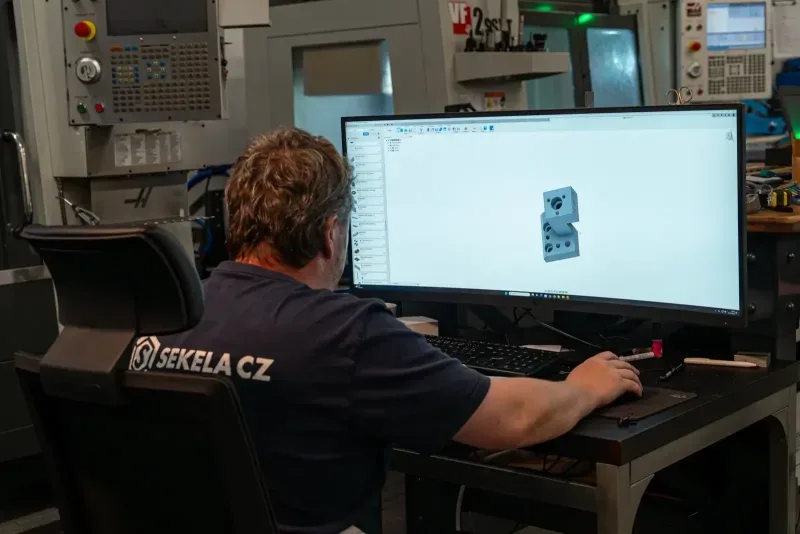
Engineering design and studies
3D design of equipment and production fixtures in SOLIDWORKS, Fusion 360 and Autodesk Inventor. We work out the assembly layout and design variants; we agree the scope of models, drawings and data handover per project.
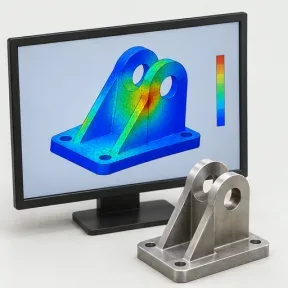
Simulation of the design
Assessment of a selected question under defined conditions. Whether a simulation is suitable depends on the available inputs and the required output.
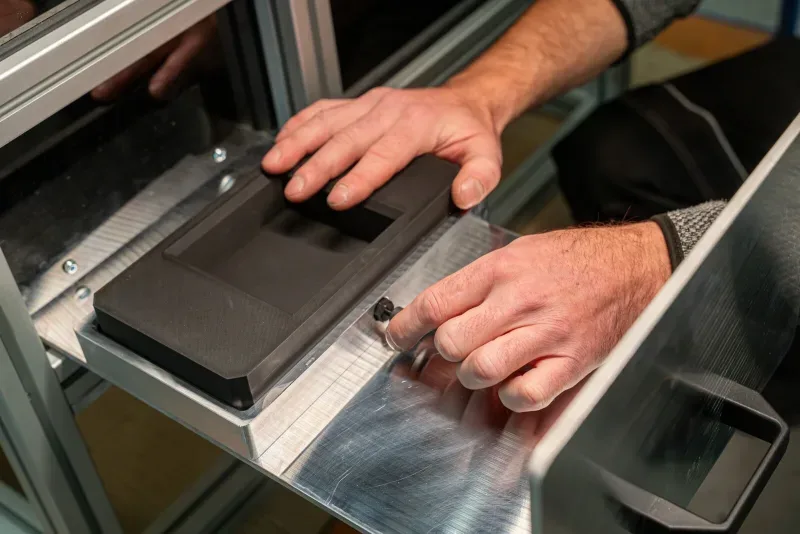
Prototype and function testing
Manufacture for an agreed test, possibly using 3D printing. Prototyping can include FDM printing of plastics and composites or SLM printing of metal. The appropriate method depends on the purpose and design of the part.
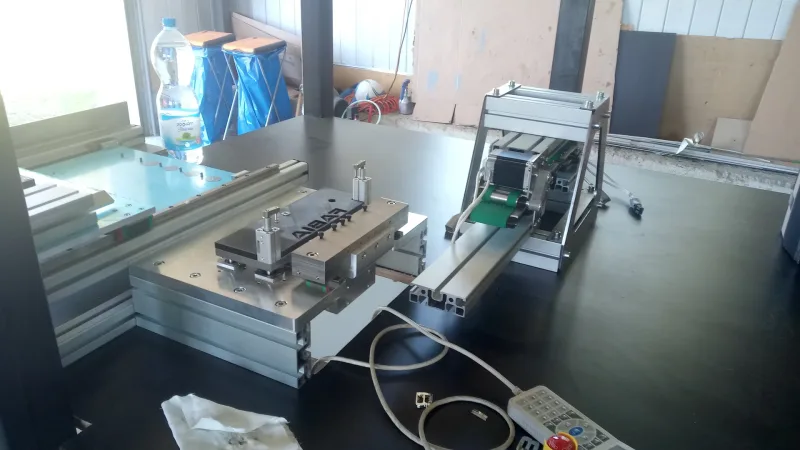
Production process optimisation
Assessment of a manufacturing process in terms of energy, material and labour use. We define the objective and the method of comparison with the current state in the brief.
ScanMach - robotic 3D measurement of bumpers
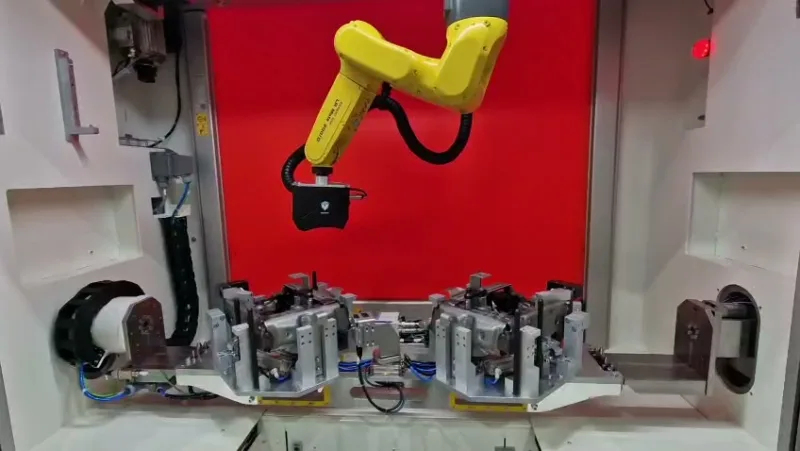
Loading and positioning the part
The operator places the bumper in the fixture. The positioner moves the part into the positions required for measurement.
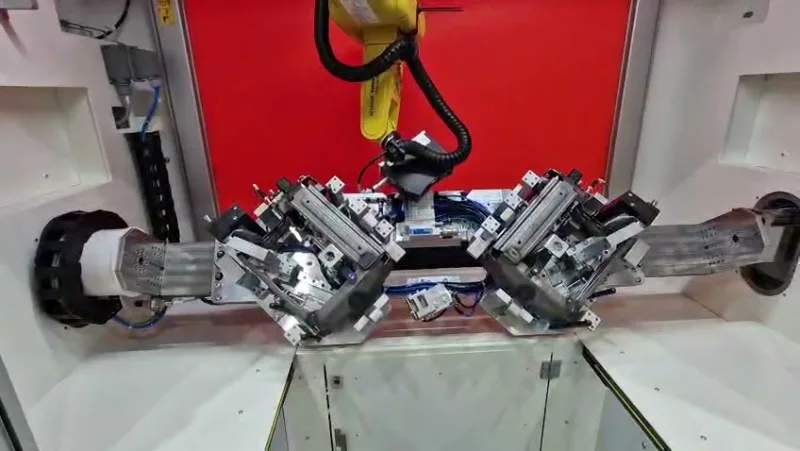
Robot and 3D sensor
The workstation uses a FANUC LR Mate 200iD robot on a linear track and a GOCATOR 3210 3D sensor. The photos show the sensor above the fixture and several positions during the measuring cycle.
Example of an engineering solution
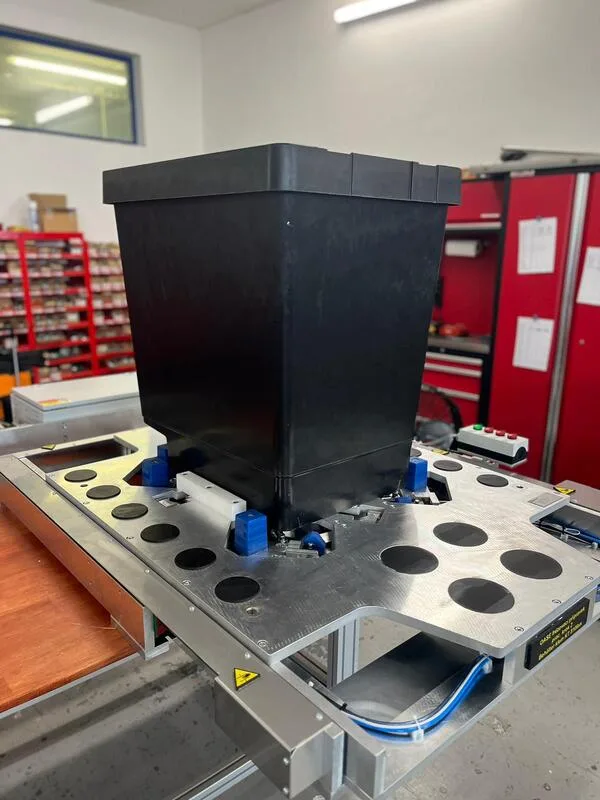
Milling clamping fixture for two product variants
The case study describes the common base plate, interchangeable top plates, the centring method and the part orientation check. It shows how a functional brief translates into specific design features.
Let us choose an appropriate scope of development
We agree the output and the level of detail before work starts. Any follow-up manufacturing is defined according to the result of the development.
| You need to decide | What to specify |
|---|---|
| Which option to develop further | Function, constraints and criteria for comparing the designs. |
| Whether the parts can be assembled | Interfaces, spatial relationships and documentation for adjoining parts. |
| Whether the solution will perform its function | Operating conditions, properties to be monitored and the test method. |
| How to prepare a printed prototype | Purpose of the model, dimensions, available 3D data and material requirements. We choose the printing technology according to the specific brief. |
| What to improve in the manufacturing process | Current process, where the bottleneck is and available data on consumption, material or time. Specify which improvement has priority. |
How we prepare a development project
Defining the objective
Function, operating conditions and the decision the project is to enable.
Choosing the scope
Study, design, model or functional prototype and the necessary inputs.
Design and verification
Development of the selected option and the agreed assessment.
Evaluating the next step
Conclusion on the brief, handover of documentation and any follow-up stage.
What should be demonstrated at handover
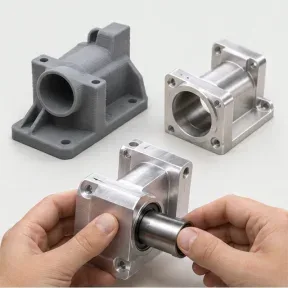
Purpose of the model or prototype
We determine whether we are assessing shape, assembly or function under the specified conditions.
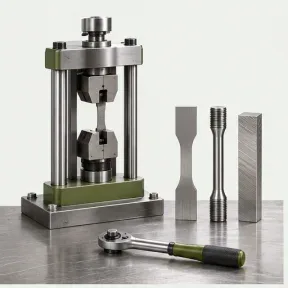
Test criteria
We agree the properties to be monitored and the data for evaluation; where relevant, a comparison with the existing solution.
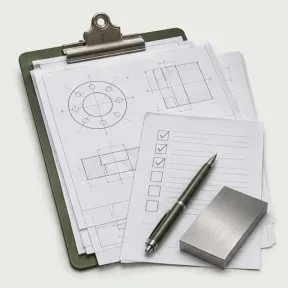
Documentation handed over
We agree the documentation, output formats and how they will be used in follow-up work.
What should determine the next step of development
A prototype test should answer a specific question.
Determine in advance which property is being assessed, under what conditions and with what expected result. Verifying shape or assembly does not in itself prove function under operating load.
When evaluating, relate the conclusion to the agreed question. If further verification or a design change is needed, define it as the next step; we agree the documentation for follow-up manufacturing according to the result and scope of the project.
Questions about development briefs
Can we start with a description of the problem without a finished drawing?
Yes. For an initial assessment, describe the current situation, the required function of the equipment and the main constraints. Attach a sketch, photos or results of previous trials if you have them. We agree in advance what needs to be added to the brief and the scope of the development stage.
Is a 3D-printed model also a functional prototype?
That depends on its purpose and design. A model may serve only to assess shape; for a functional test, we determine the material, loads and other conditions in advance.
What will we receive at the end of a development stage?
An output agreed in advance: for example a study, an engineering design or the result of a prototype test. We define the scope of documentation and further verification for the specific project.
Can both plastic and metal 3D printing be used?
Yes. Prototype preparation can include FDM printing of plastics and composites or SLM printing of metal. We determine the specific material, design and necessary follow-up work according to the purpose of the prototype.
What should I prepare for an assessment of a manufacturing process?
Describe the individual steps and the point you want to improve. Add available measurements, for example operation time, material or energy consumption, and the required result. If data is missing, state what can be determined in operation.
Can the design of a production fixture be ordered separately?
In your enquiry, separate the engineering design from manufacture and testing. State the part, the required operation, space constraints and who will manufacture the fixture. We agree in advance the scope of the design, documentation and data handover.
Description of our services
Our company works with technical universities and research institutes on research into innovative solutions and processes.
Design of operating principles and simulation of engineering designs to client requirements, with an emphasis on minimising environmental impact.
Manufacture of functional prototypes, including FDM 3D printing of plastics and composite materials and 3D printing of metal using Selective Laser Melting (SLM).
Optimisation of manufacturing processes and technologies with a view to saving energy, materials and human resources.
How would you like to contact us?
Contact us directly
+420 778 080 606 sekela@sekela.cz
Continue via the enquiry form
Describe what you need. You can attach supporting documents.