
 Česky
 Deutsch
 Italiano
 Polski
 Français
 Srpski
Turnkey production line automation
From design to installation - turnkey solutions
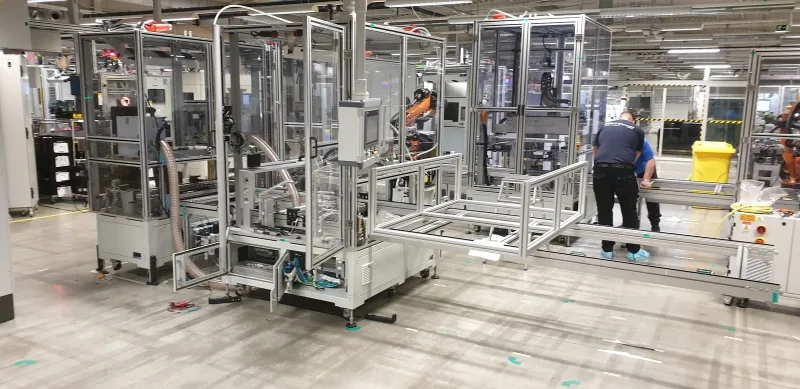
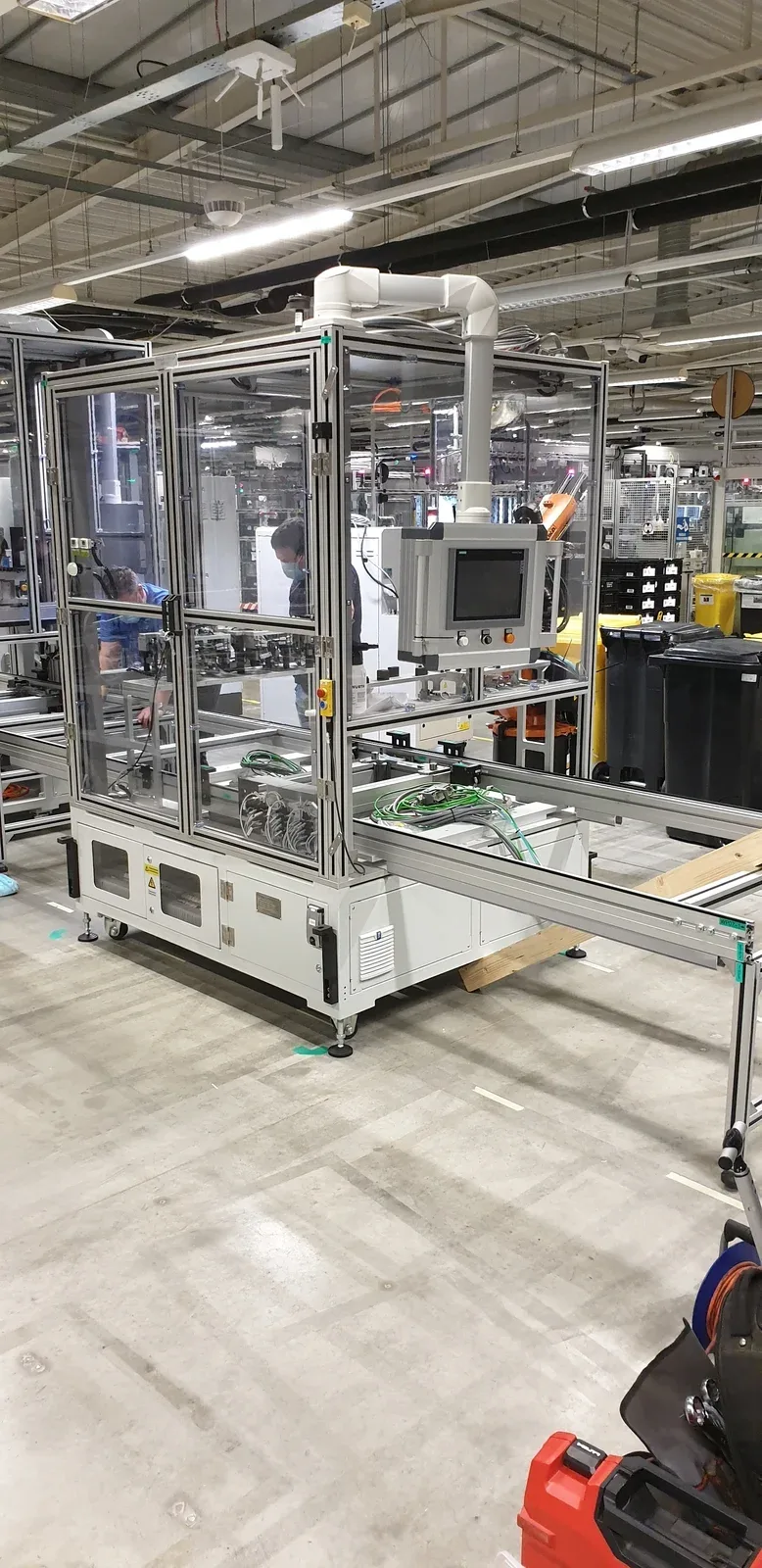
We design and build an automated production line based on your operations, part handling and inspection method. We provide PLC programming, robot integration and commissioning of the line.
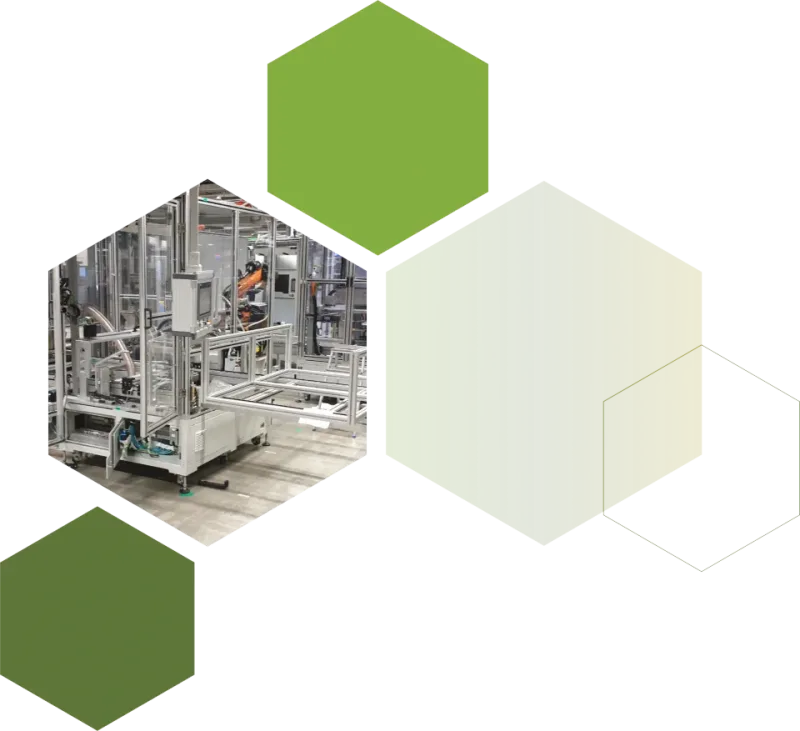
Where should the line change your current production flow?
When designing a new production line or modernising an existing workstation, we start with a specific operation. This may be assembly, part handling, cooling or the connection to other equipment. Mark the point that limits output or requires a change, the condition of the input part and the required result. Based on the brief, we define the manual work, the semi-automatic cycle and the automatic steps.
For modernisation, separate the equipment you want to keep from the required new part. If parts wait or cool between operations, state the required time, quantity and available space.
New production lines and workstation modernisation
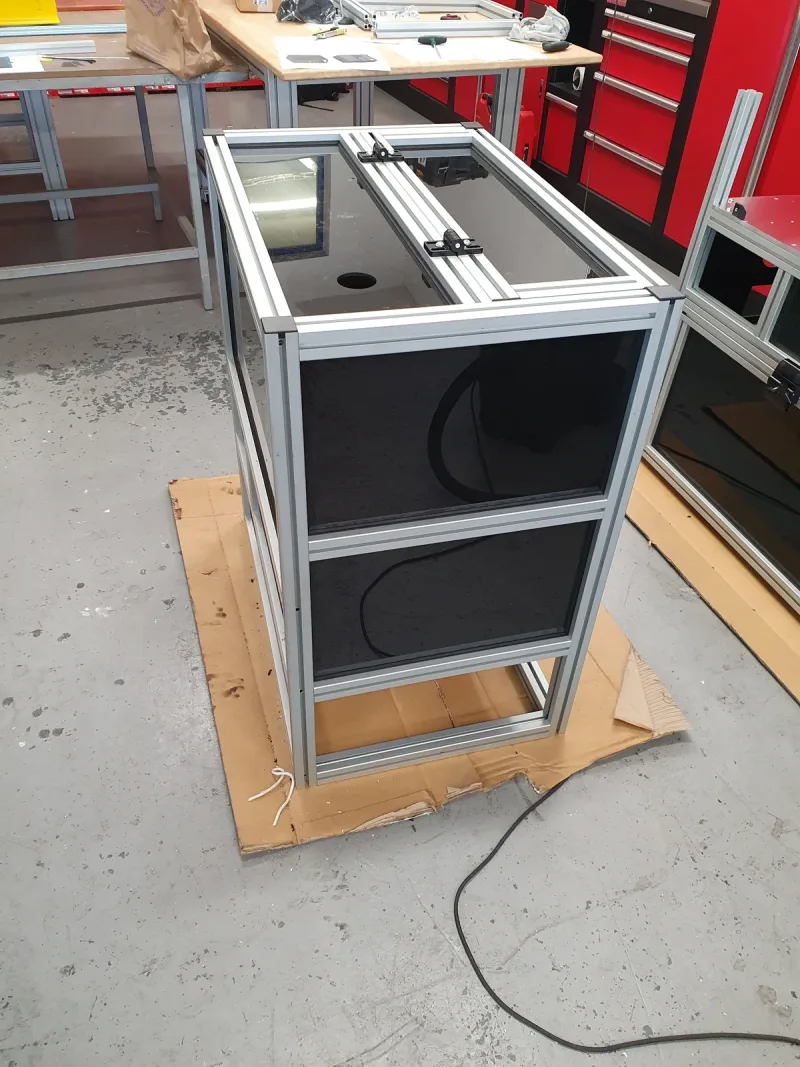
Standalone workstation
A new production operation with a defined method of loading, processing and unloading the part. We define the scope according to the product and downstream production.
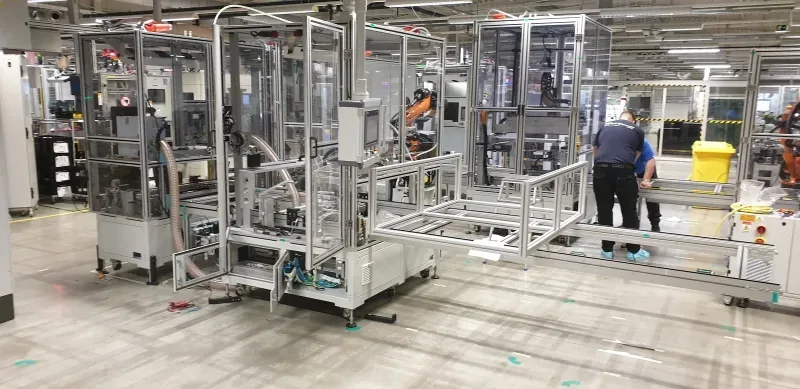
Modification of part of a line
Adding or changing a specific step while retaining specified equipment. We assess its control system, documentation and connection conditions.
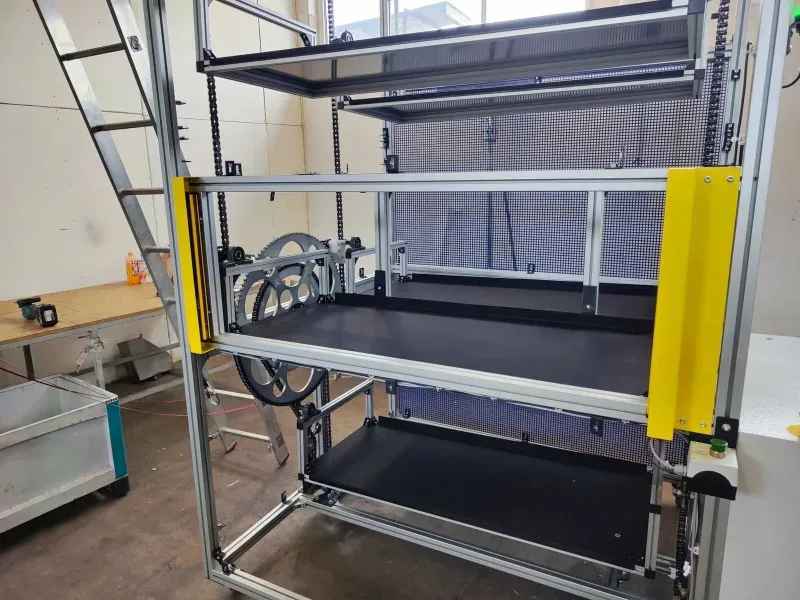
Part transfer and waiting
Connections between operations, handling or cooling. The solution is based on the condition of the part, the required time and the spatial conditions.
Custom production, assembly and inspection lines
We design complete lines as well as additional individual stations for lines in operation. We define the scope according to the product, cycle time, required inspections and the equipment that is to remain.
Cable assembly inspection and automatic taping
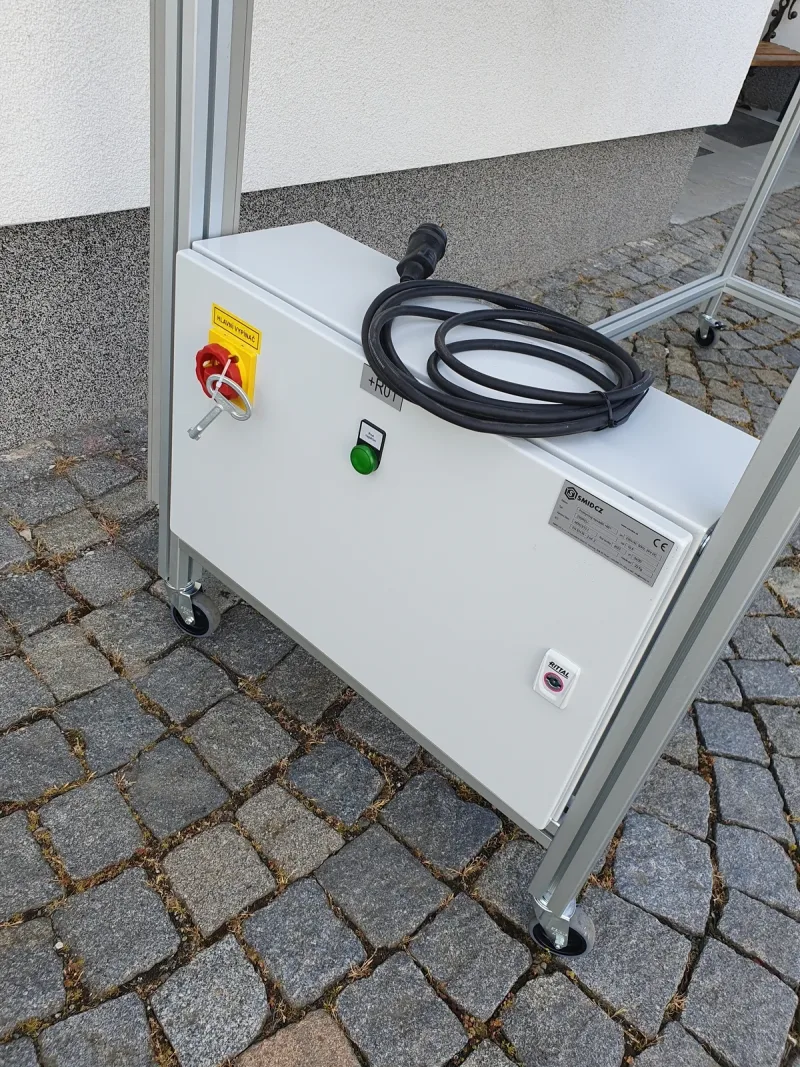
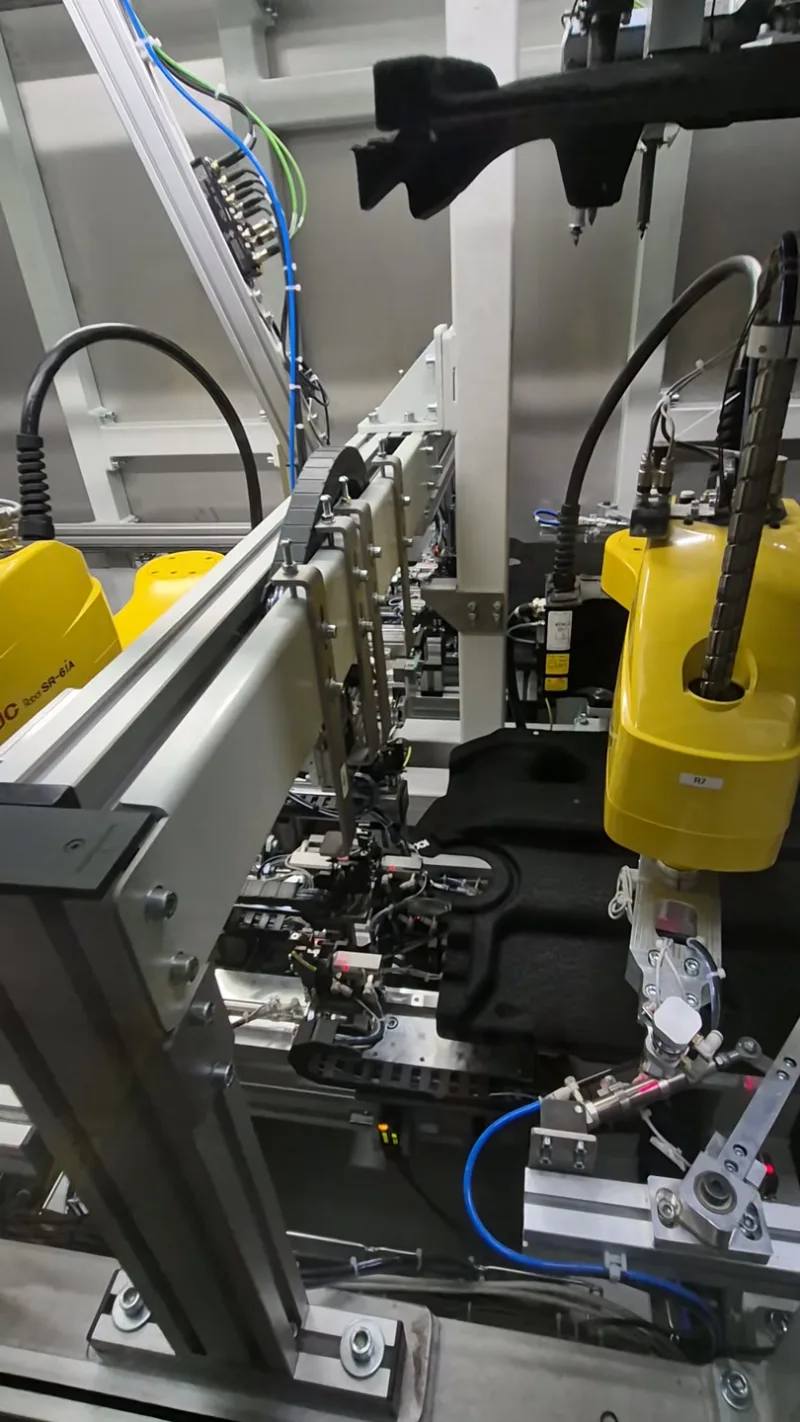
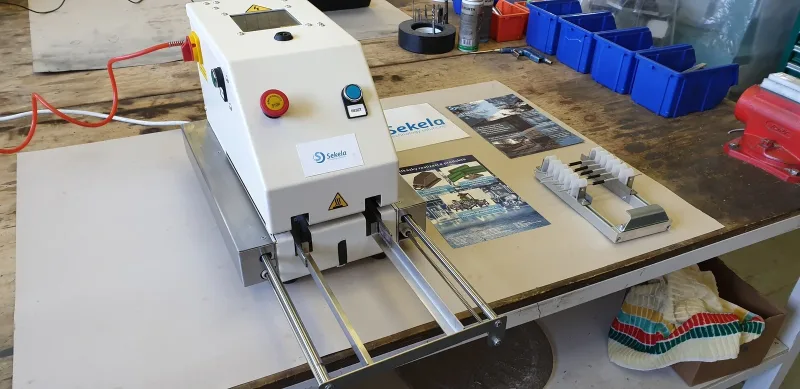
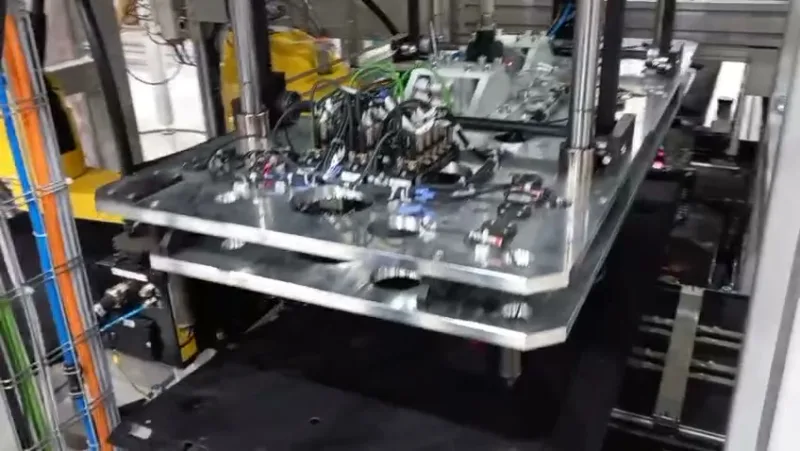
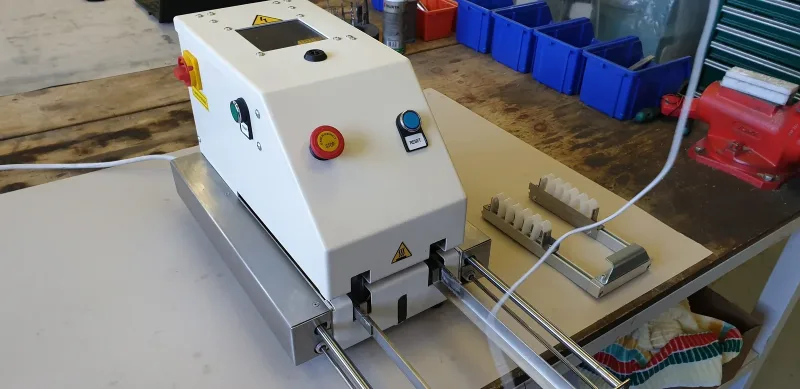
For wiring harnesses, we handle correct connector assembly as well as electrical connectivity testing, for example verifying continuity and correct pin connection according to the wiring diagram. For automatic taping machines, we handle harness guidance, the position and extent of the taping, and the connection to the next station.
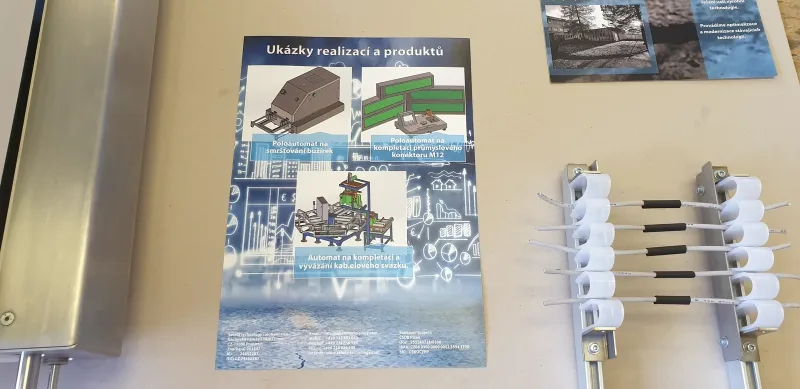
View an example of guided M12 connector assembly
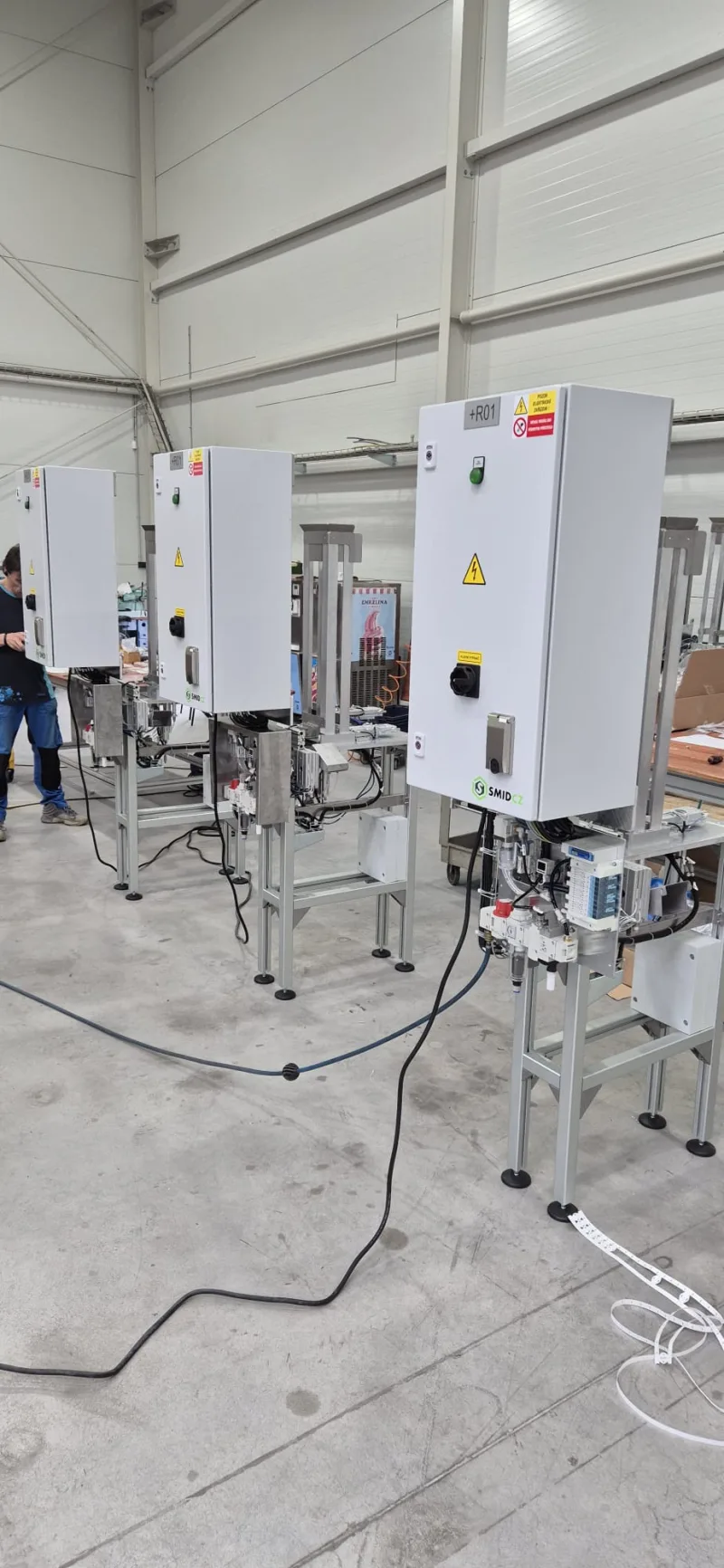
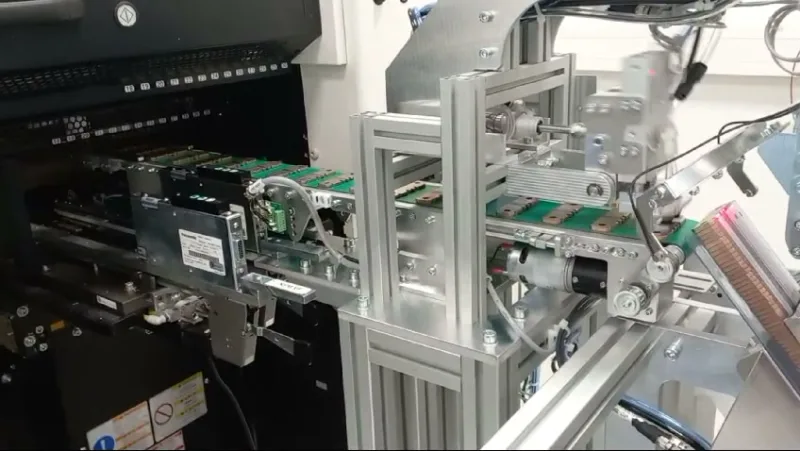
Panasonic SMT feeders, laser marking and inkjet printing
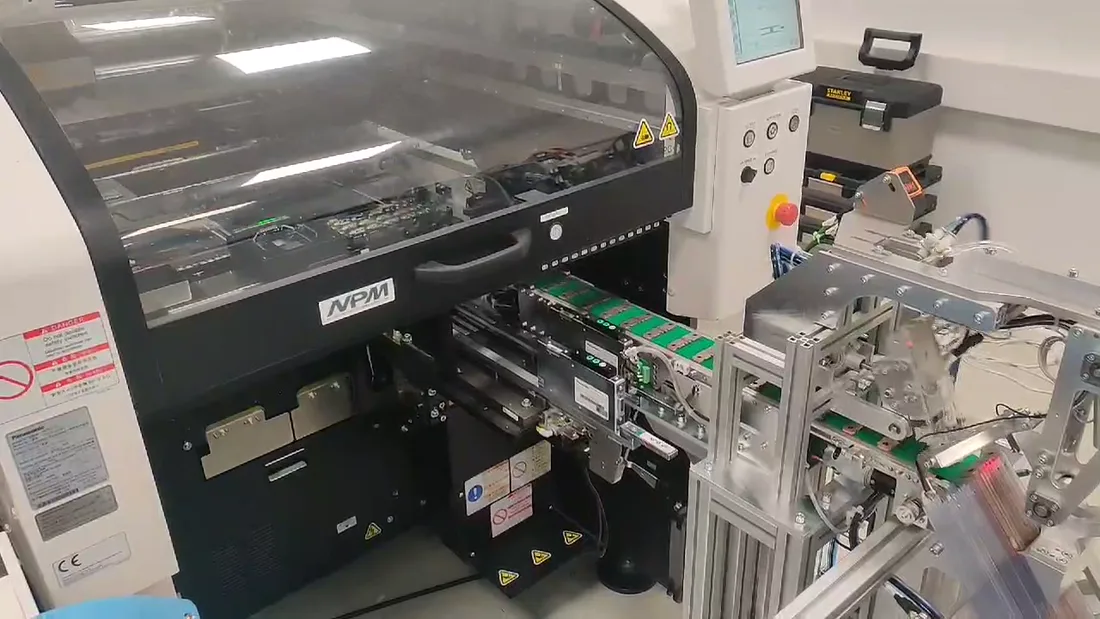
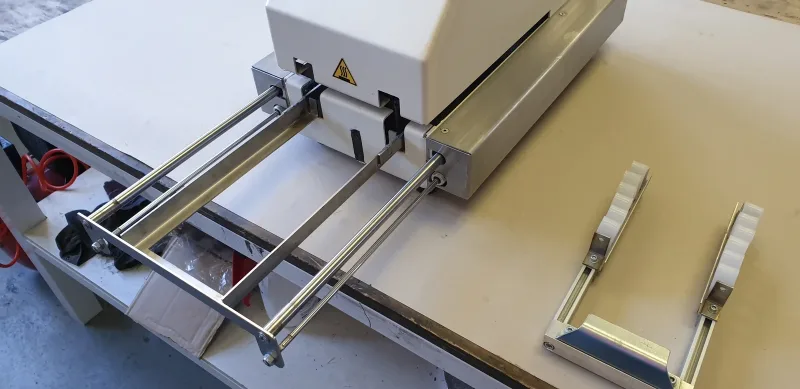
We have experience with feeders for Panasonic SMT lines used for assembling printed circuit boards (PCBs). When designing the feeding, we work from the type of line, the way components are supplied and the required cycle time.
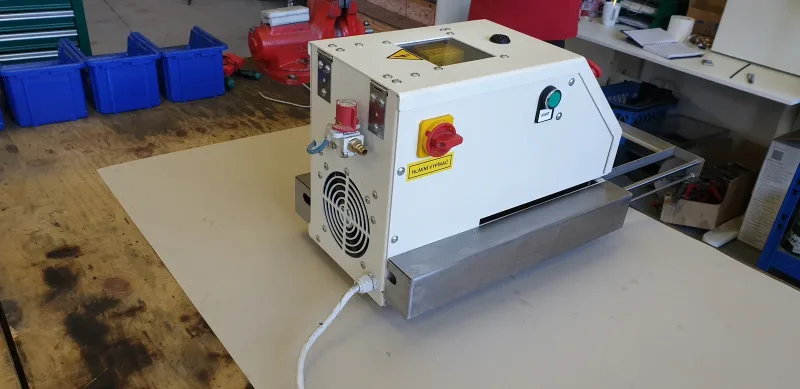
We integrate laser marking stations and industrial inkjet printers into the production line according to the material and the required marking. Depending on the brief, we handle the marking position, communication with the control system and subsequent code reading.
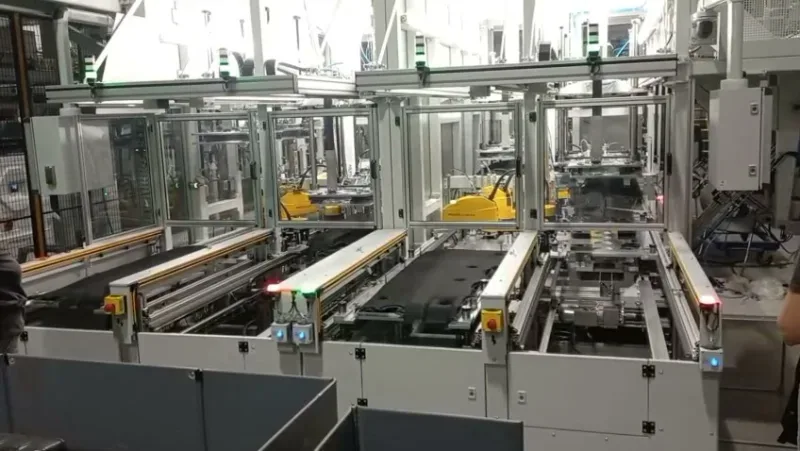
Production and assembly lines
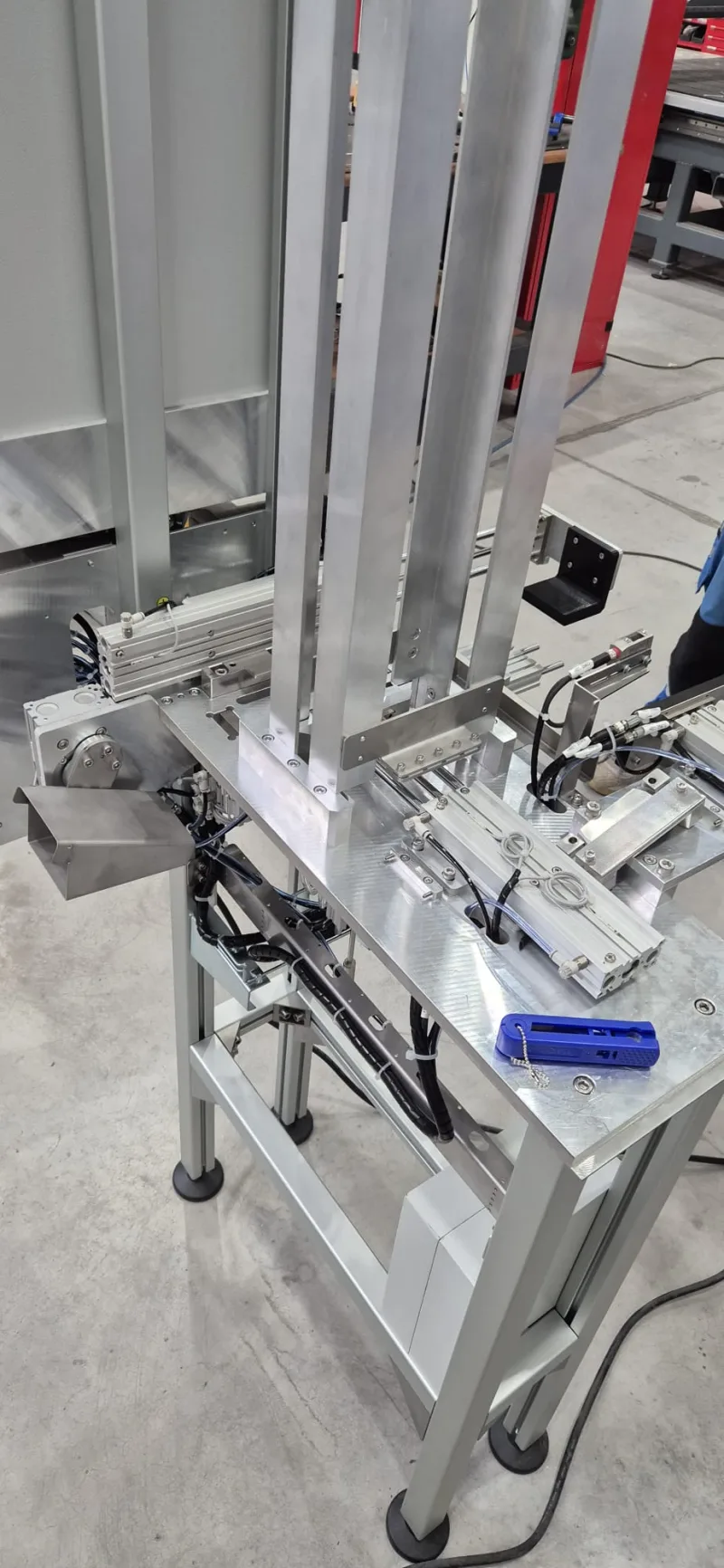
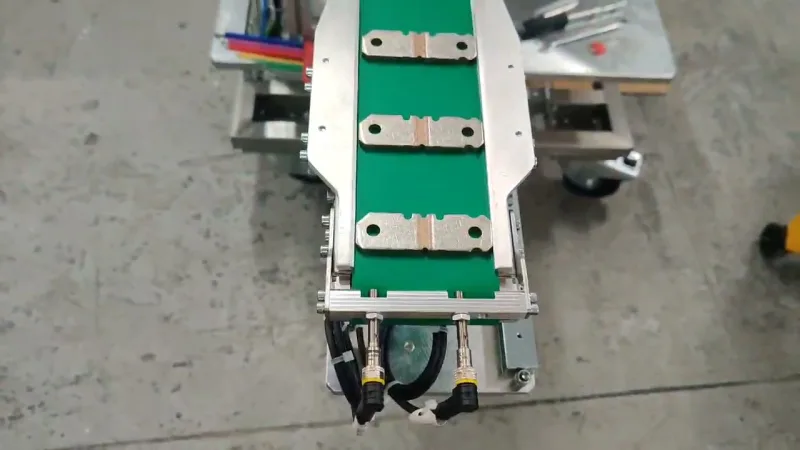
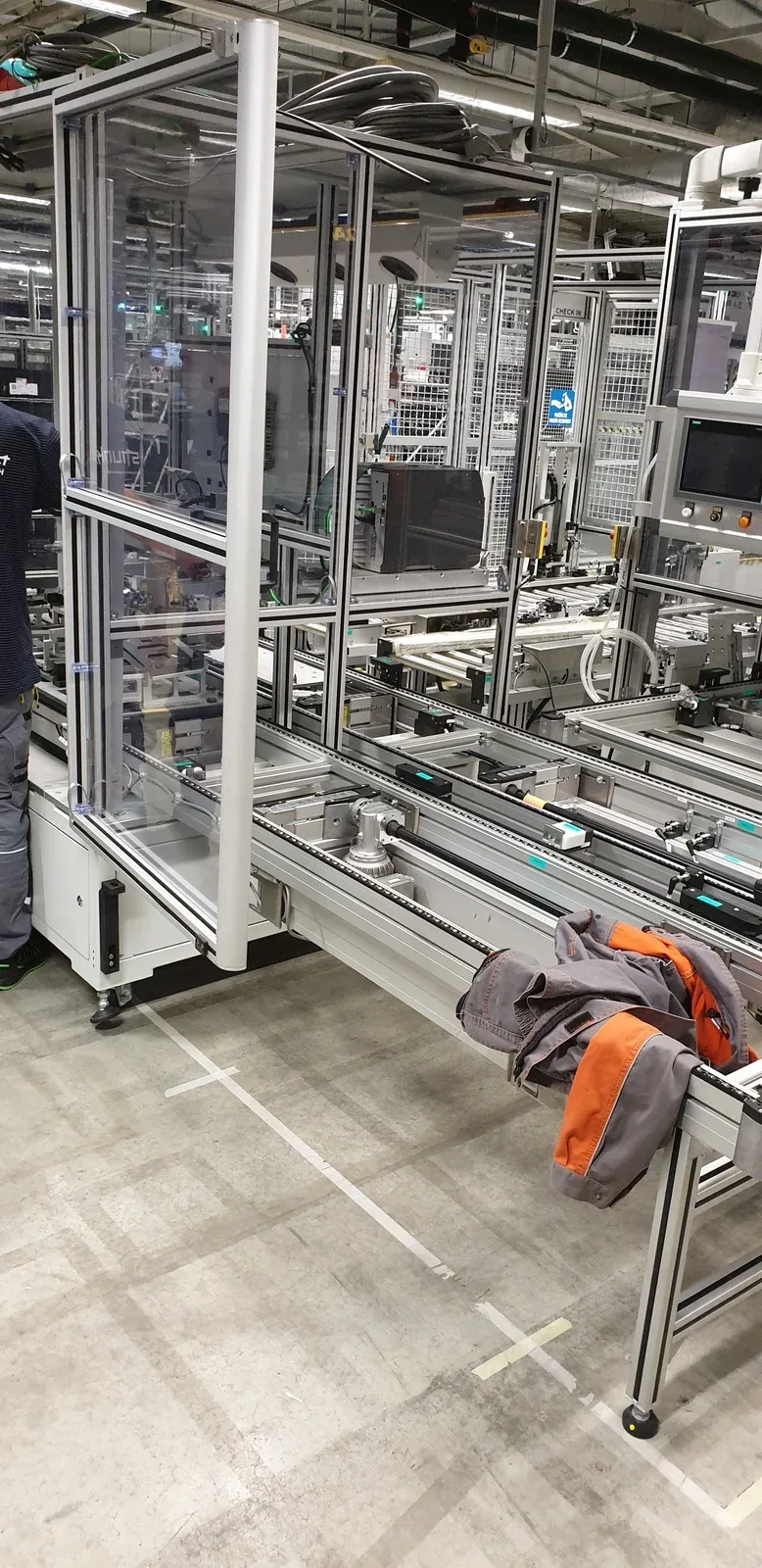
We connect feeding, handling, assembly and part transfer between manual and automatic stations. The design also covers changes of product variant and the connection to surrounding production.
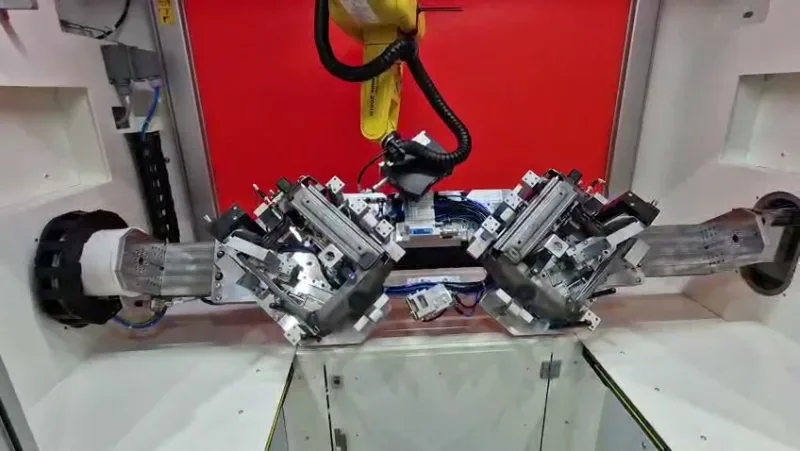
Inspection lines and test stations
We combine individual inspections into a process according to the required output. The stations can evaluate data from sensors, cameras, 3D scanners or electrical tests.
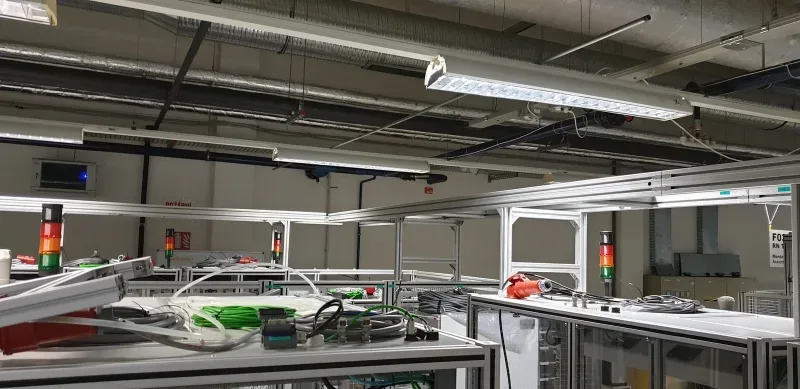
Line control and integration
Depending on the brief, we handle communication between stations, result evaluation and the response to a non-conforming part. For modernisation, we start by mapping the existing interface and the available documentation.
Commissioning a production line from a Chinese supplier
Have you ordered a line, or is it already standing in your hall? We help Czech production plants with the start-up of lines from Chinese suppliers, with testing and with resolving deficiencies that become apparent at start-up. Depending on the condition of the line, we help define the modifications and documents required for safe operation in the Czech Republic.
Each project solves a different production connection
More photo galleries of equipment and fixtures:
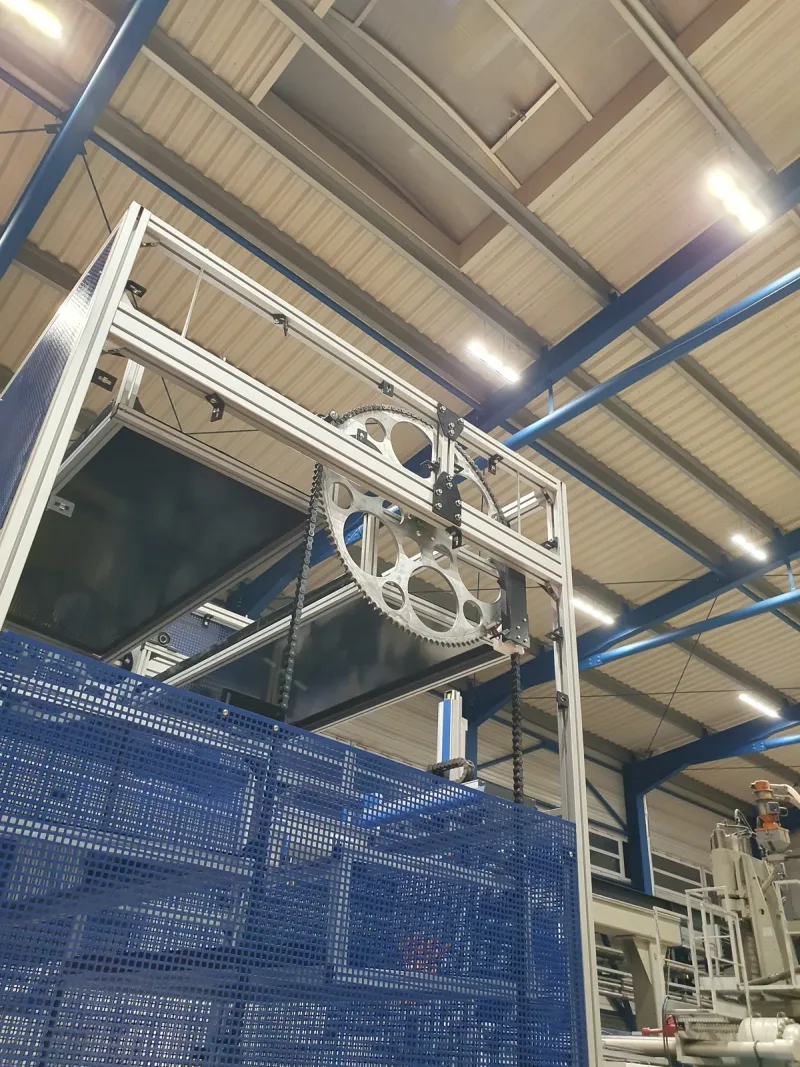
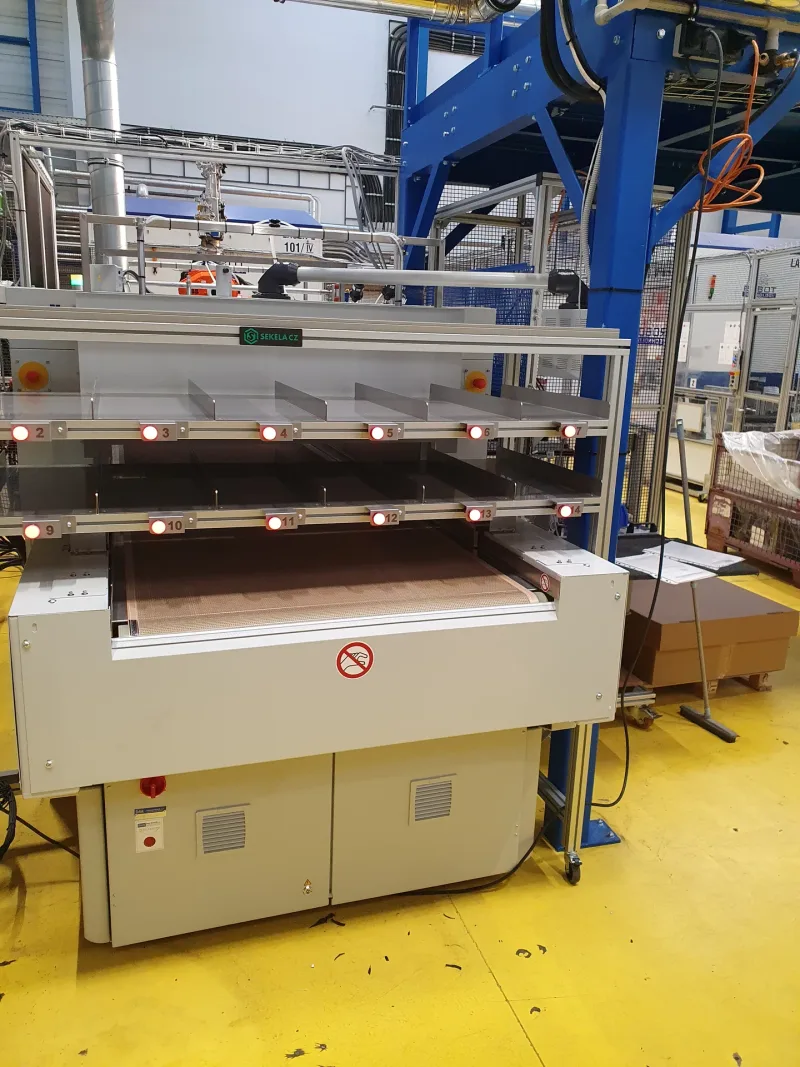
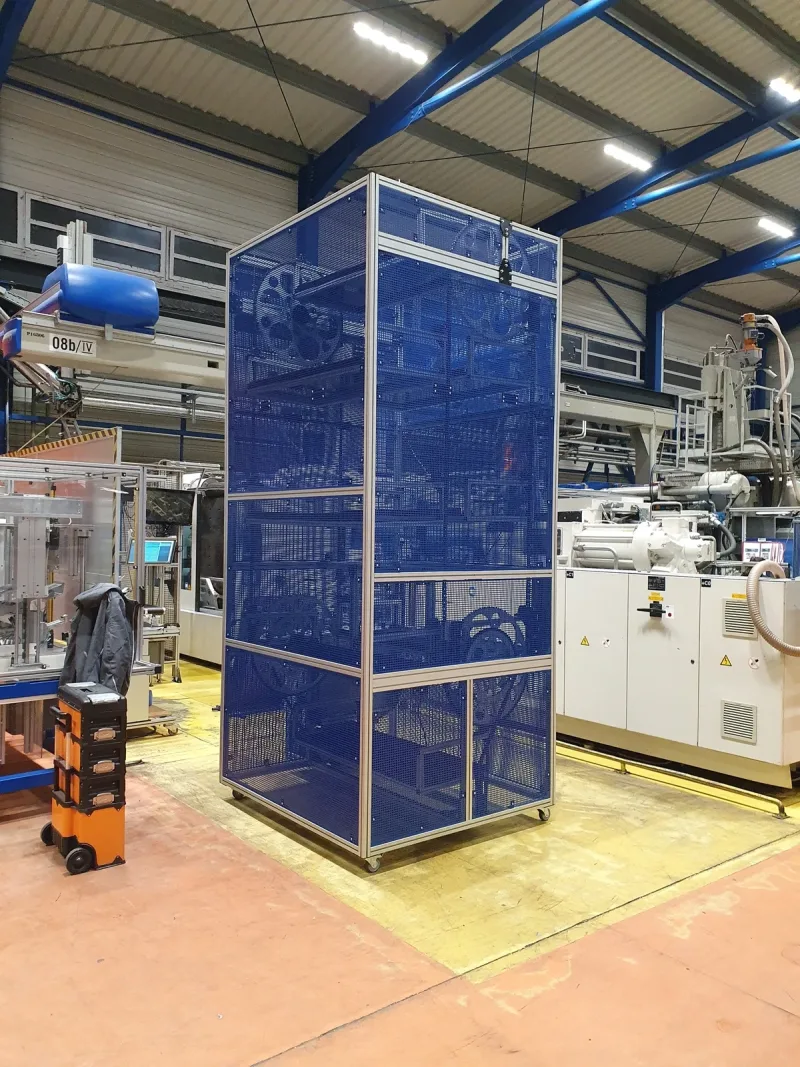
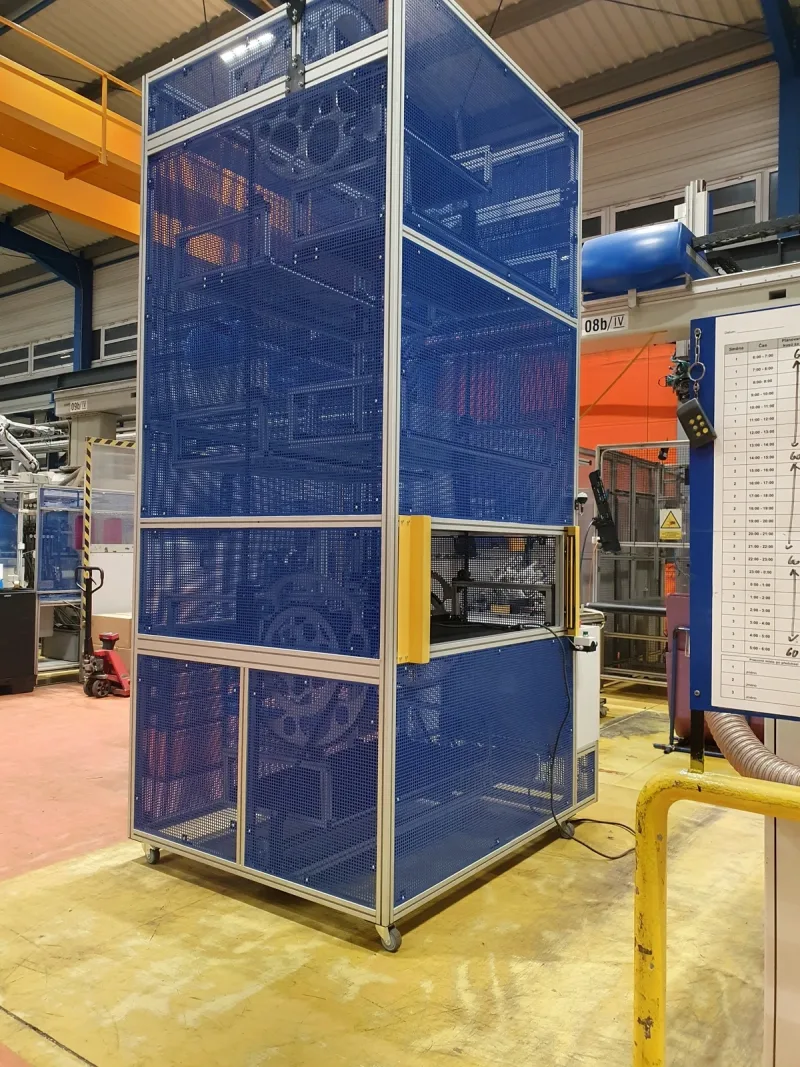
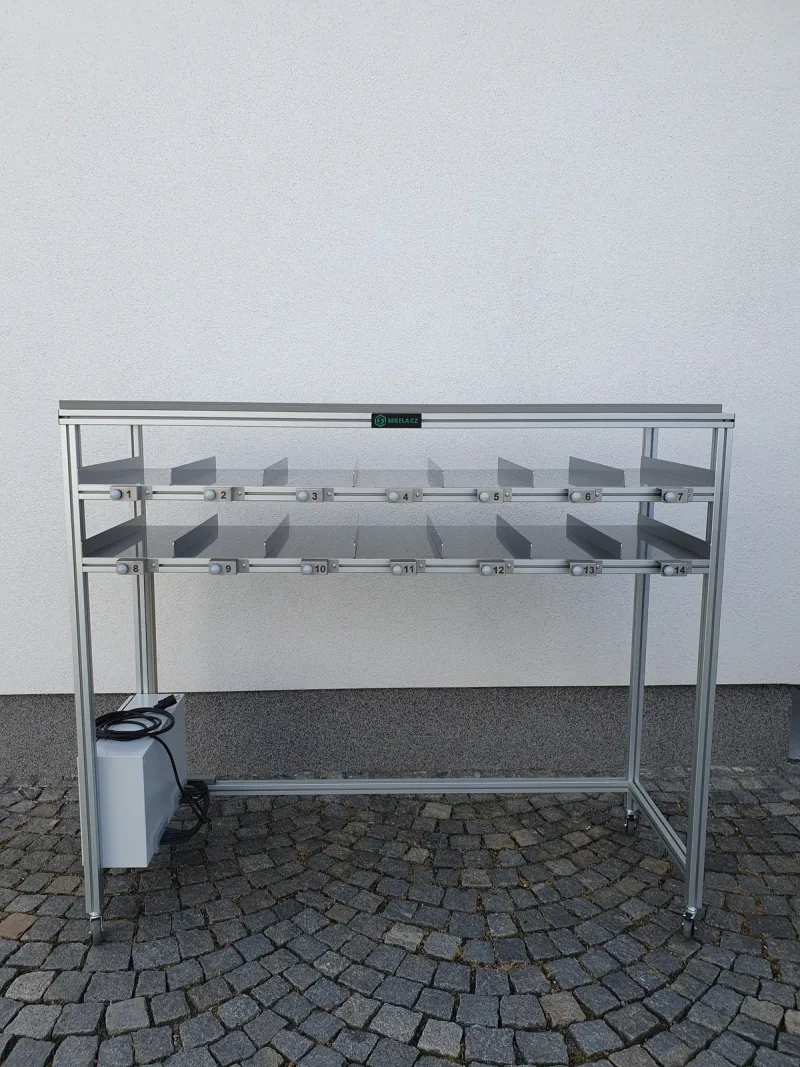
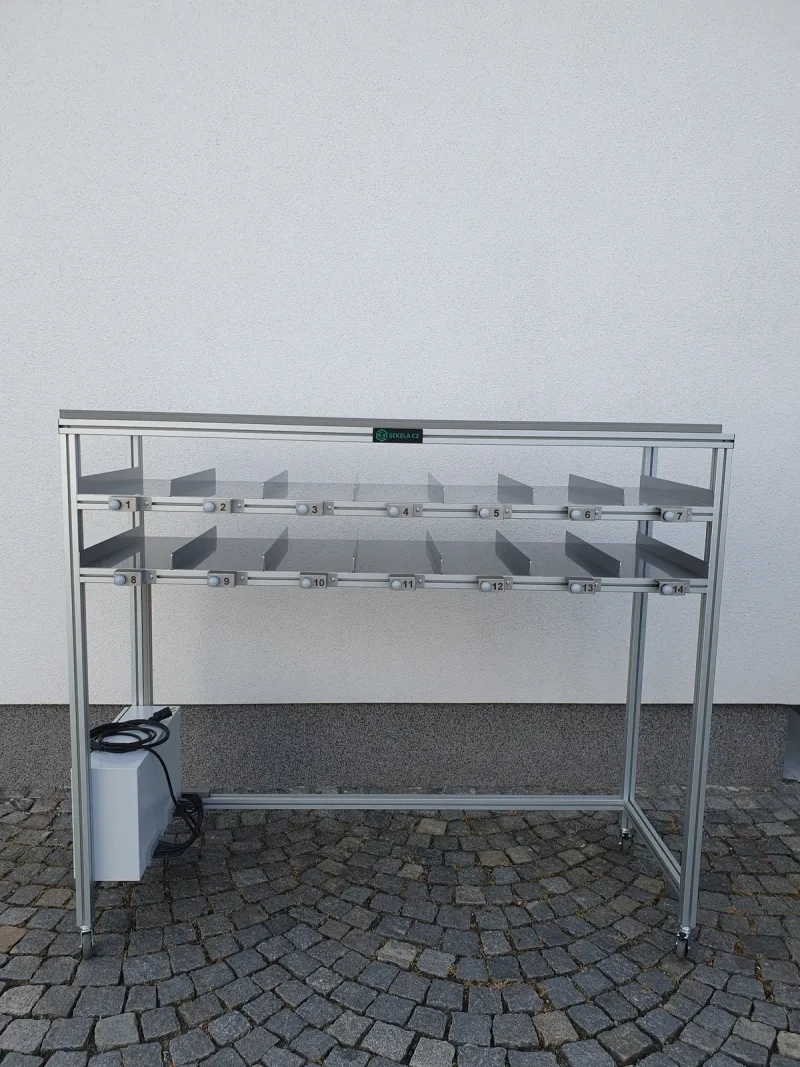
Cooling paternoster for injection-moulded parts
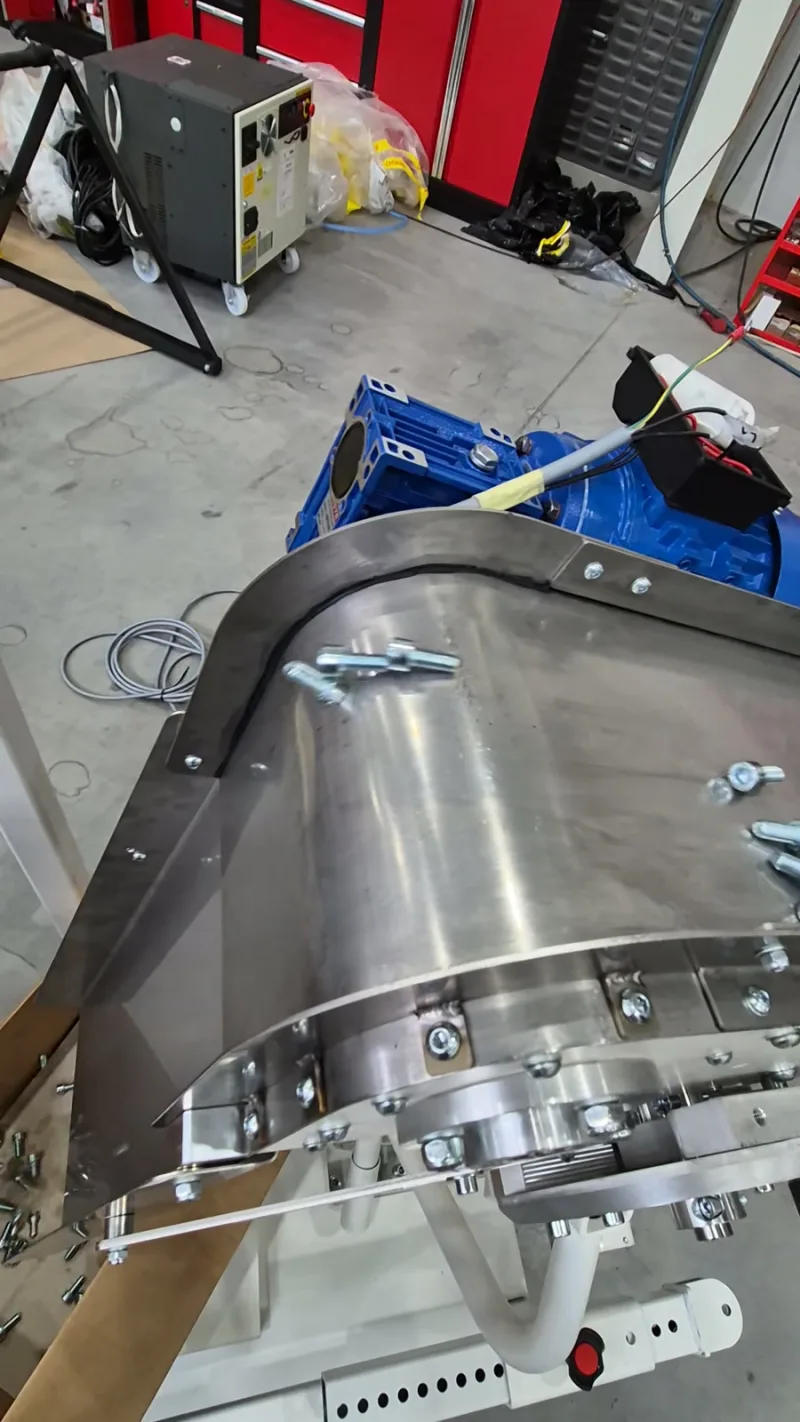
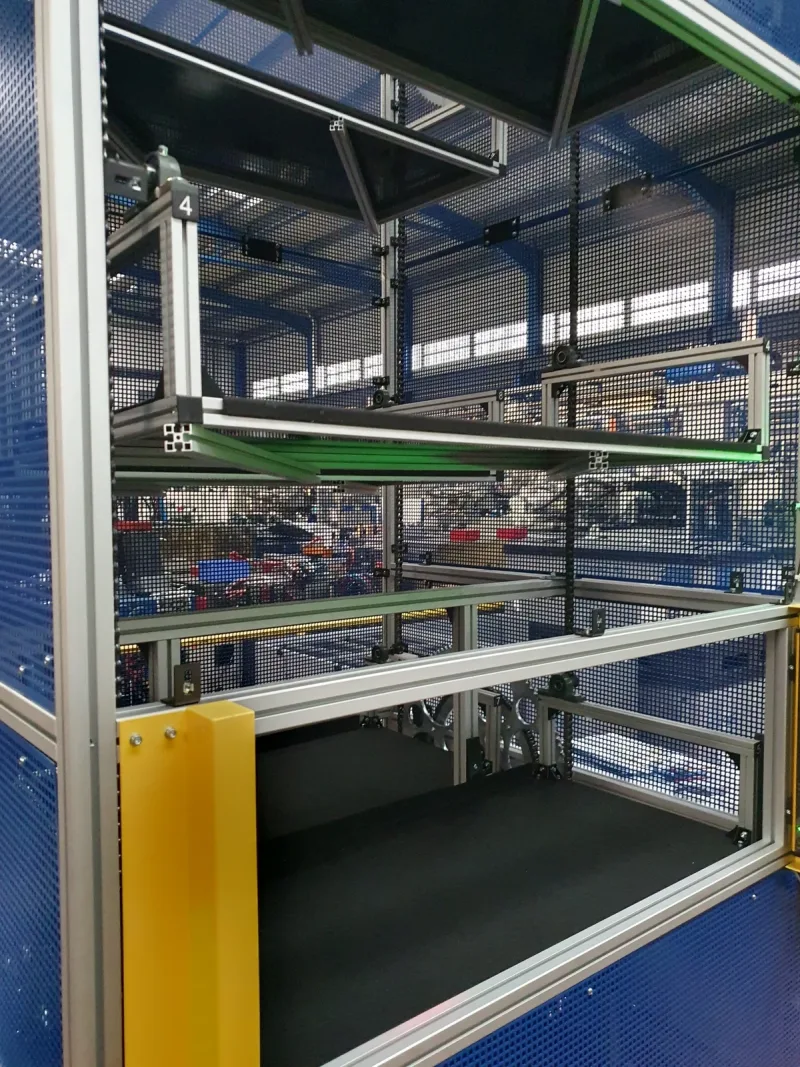
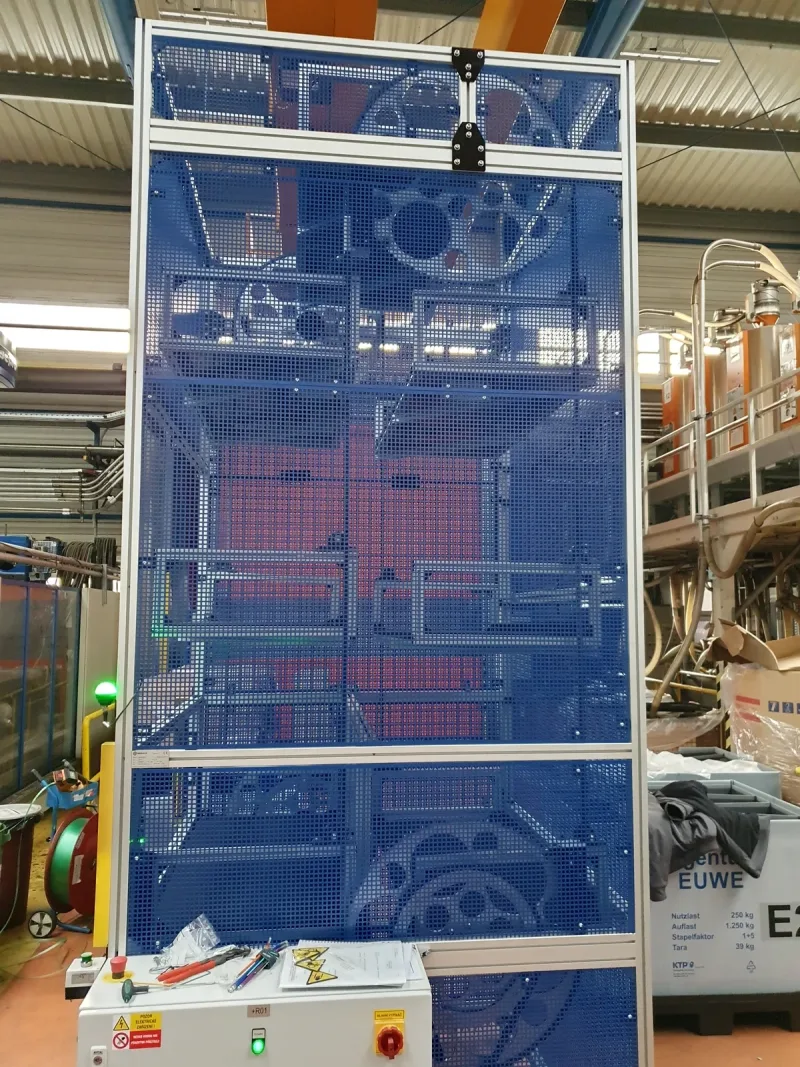
The cooling rack was created to keep pace with the injection moulding machine cycle. The solution takes into account the limited space for parts after removal from the mould.
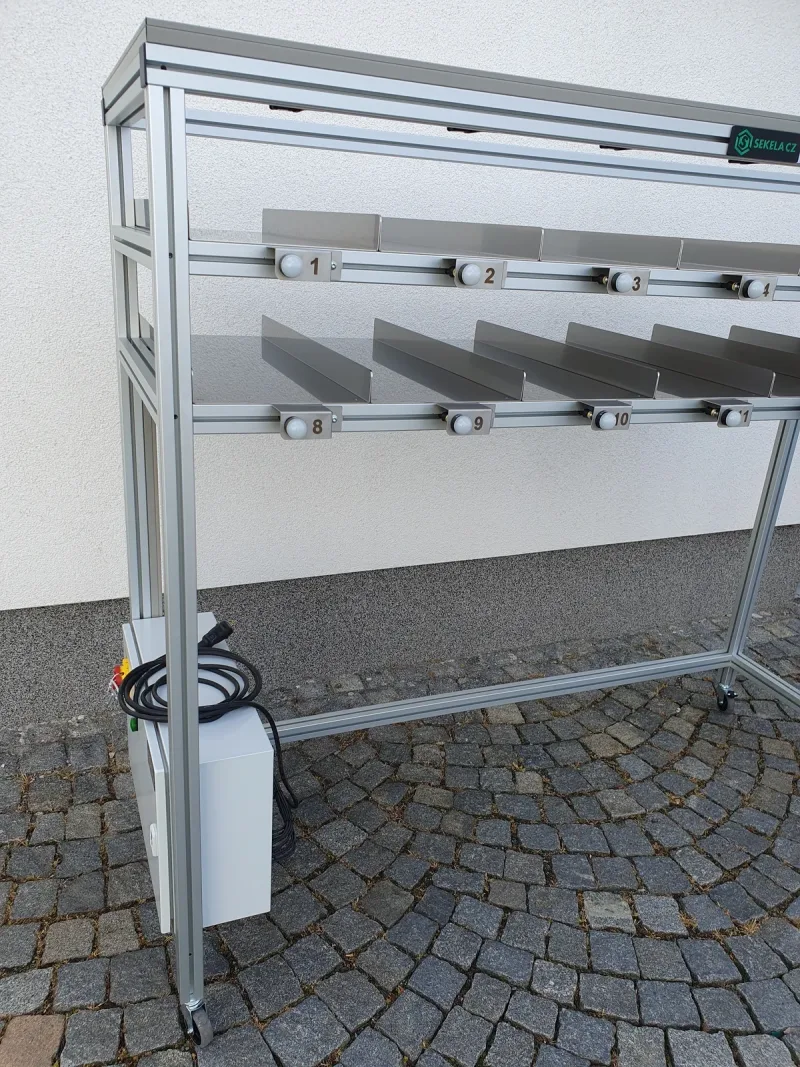
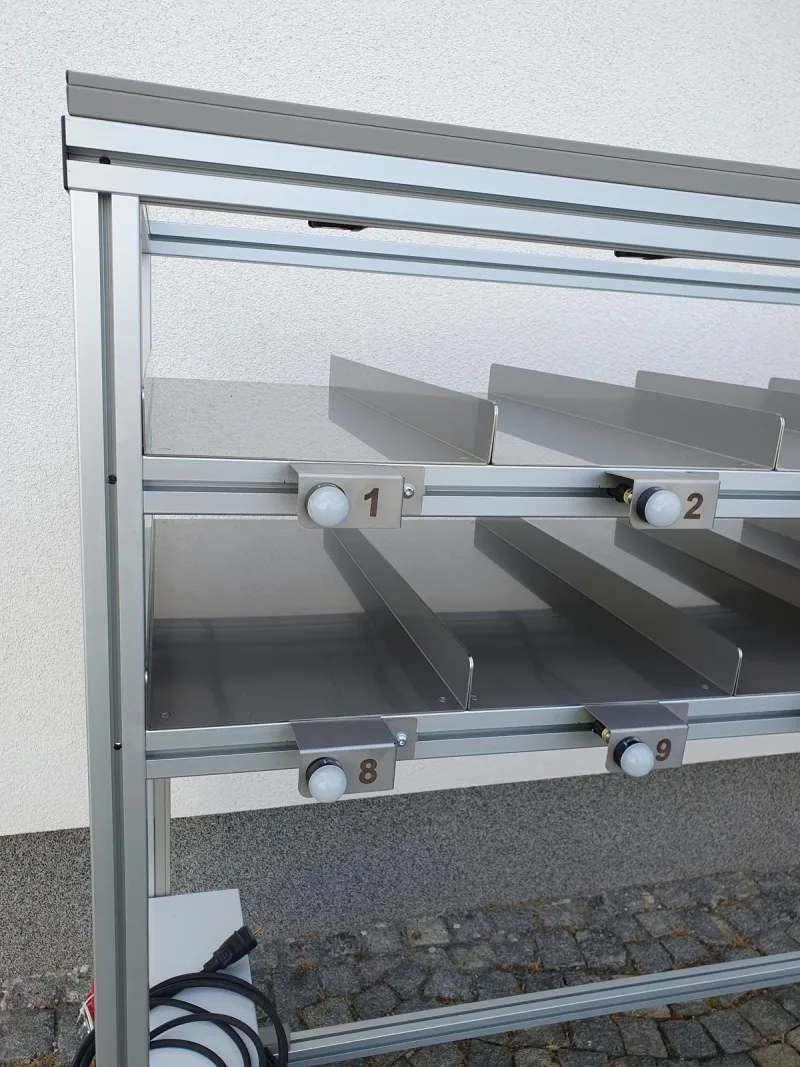
Cooling rack with controlled removal time
The rack holds parts for a set time before the next operation. Colour signalling tells the operator when a part can be removed.
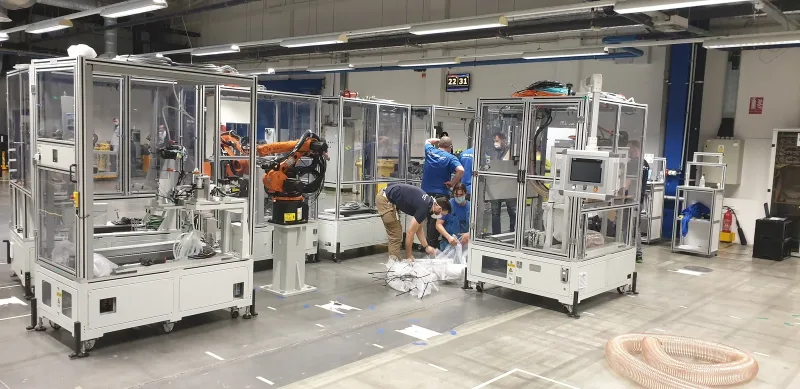
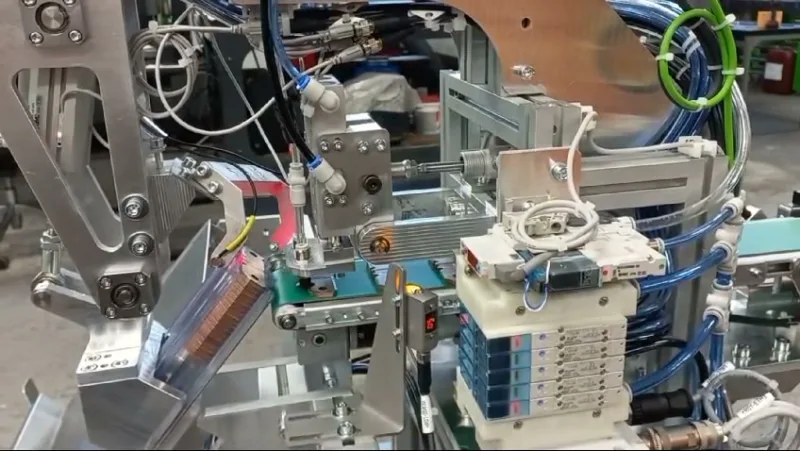
Installation and commissioning of the FHS production line
We took part in the assembly and commissioning of a line from the manufacturer FHS, including equipment modifications and support during the production start-up.
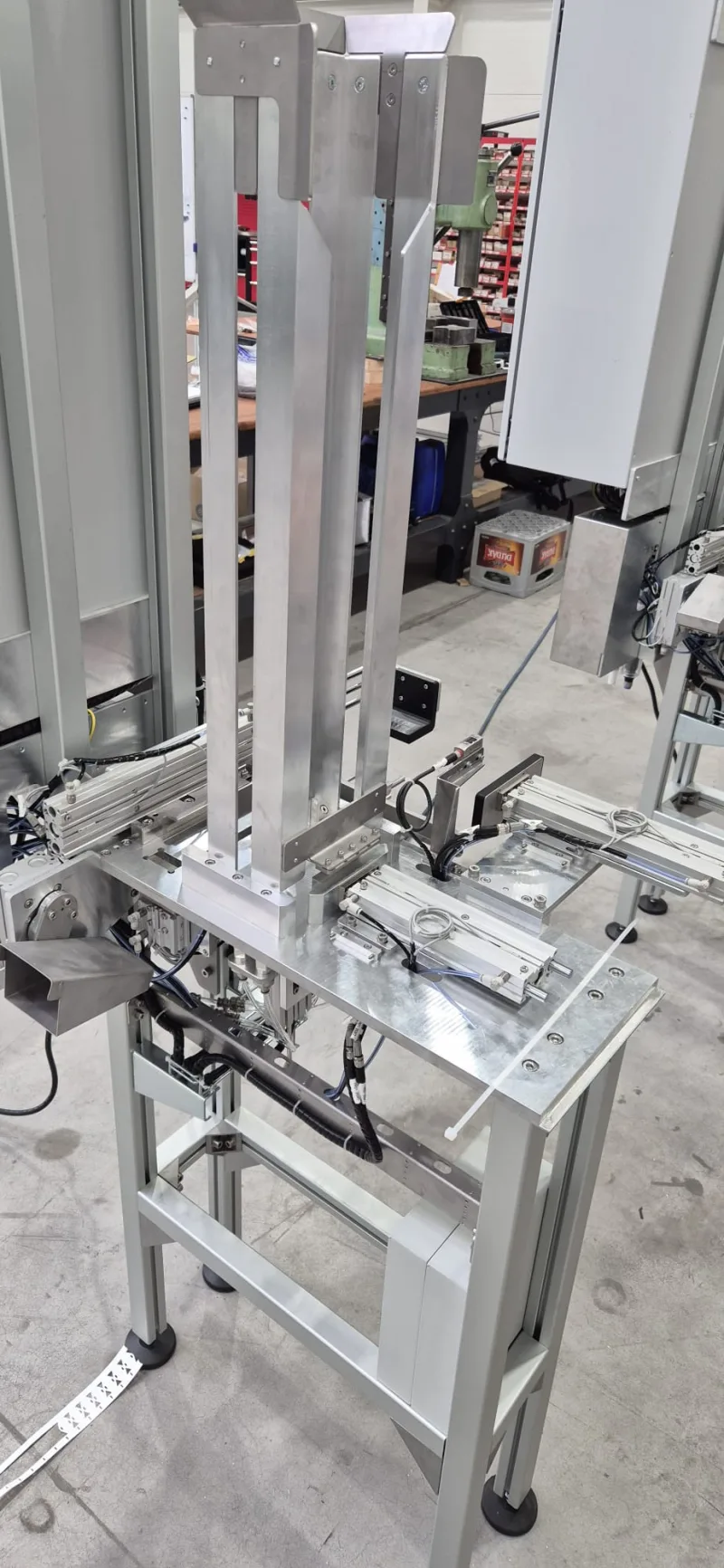
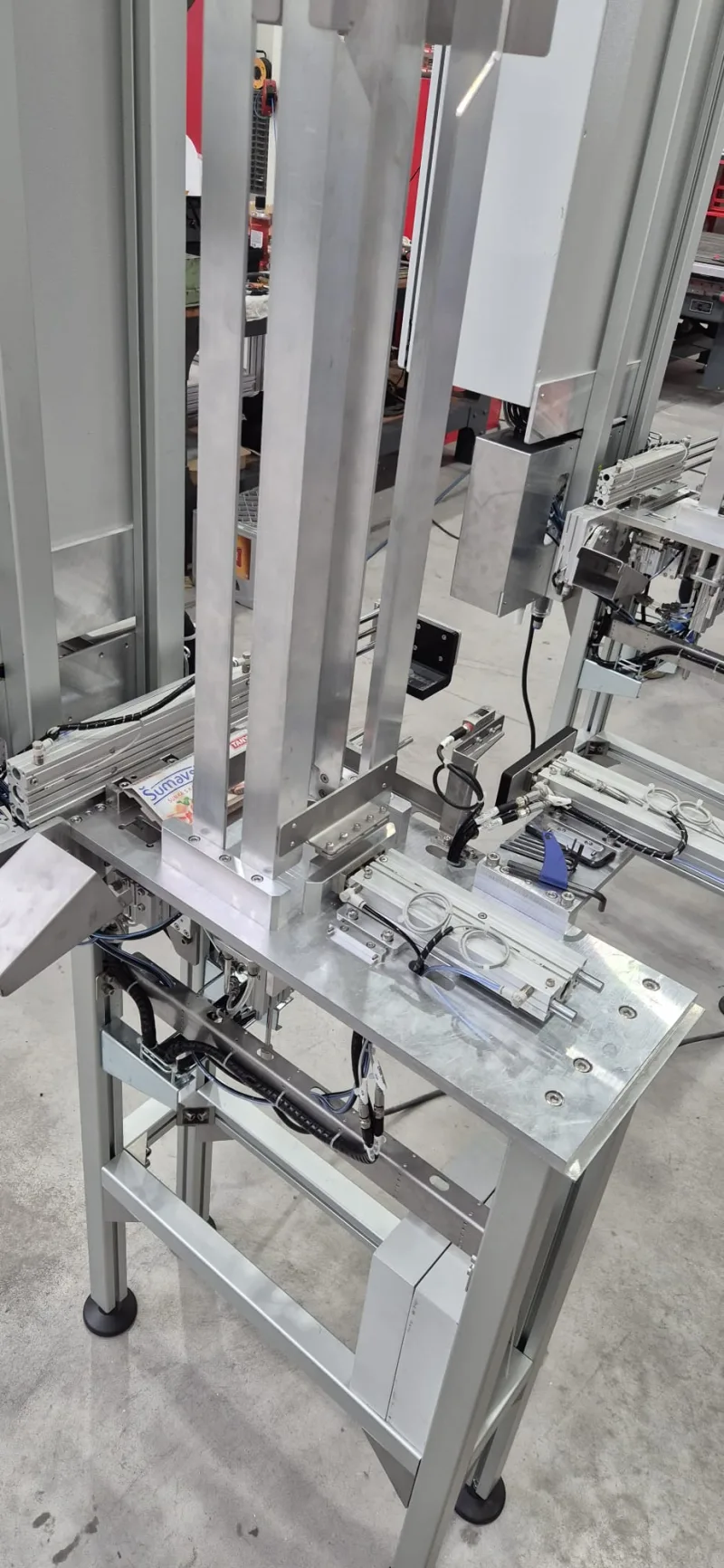
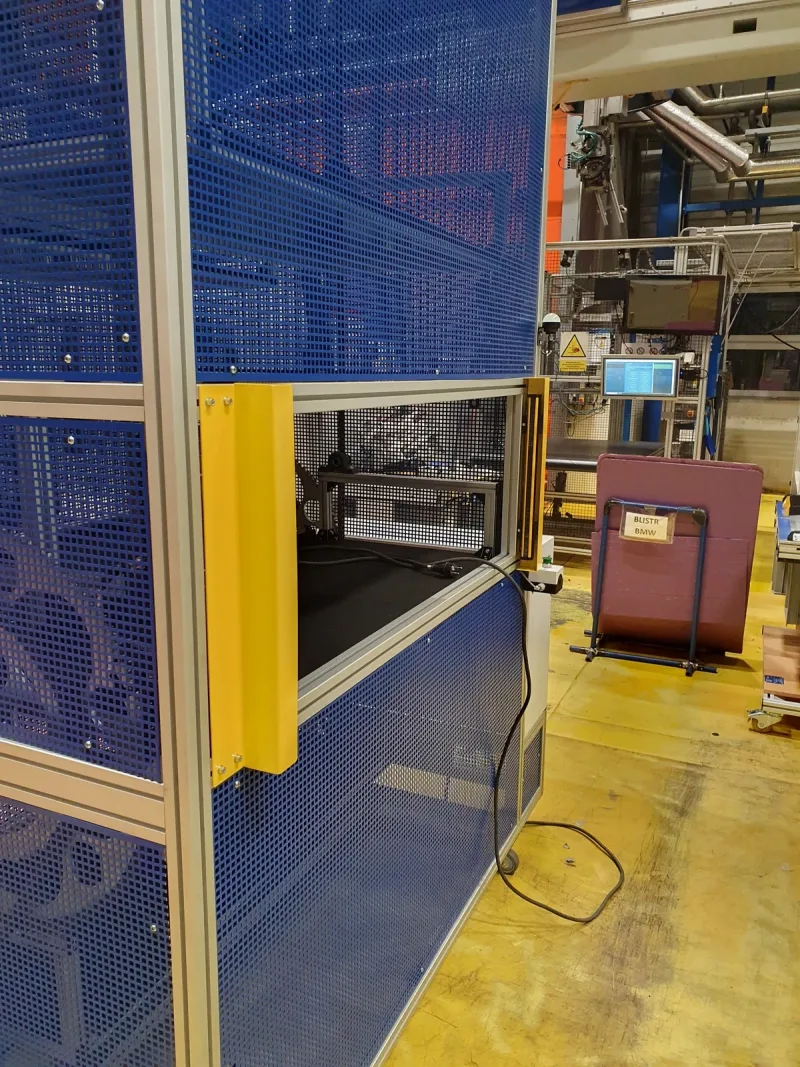
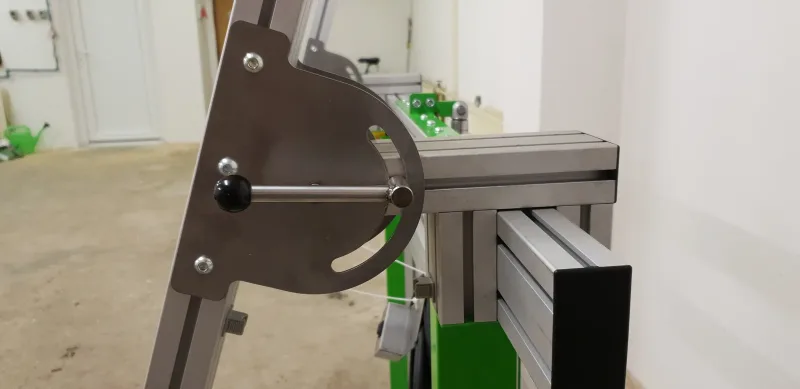
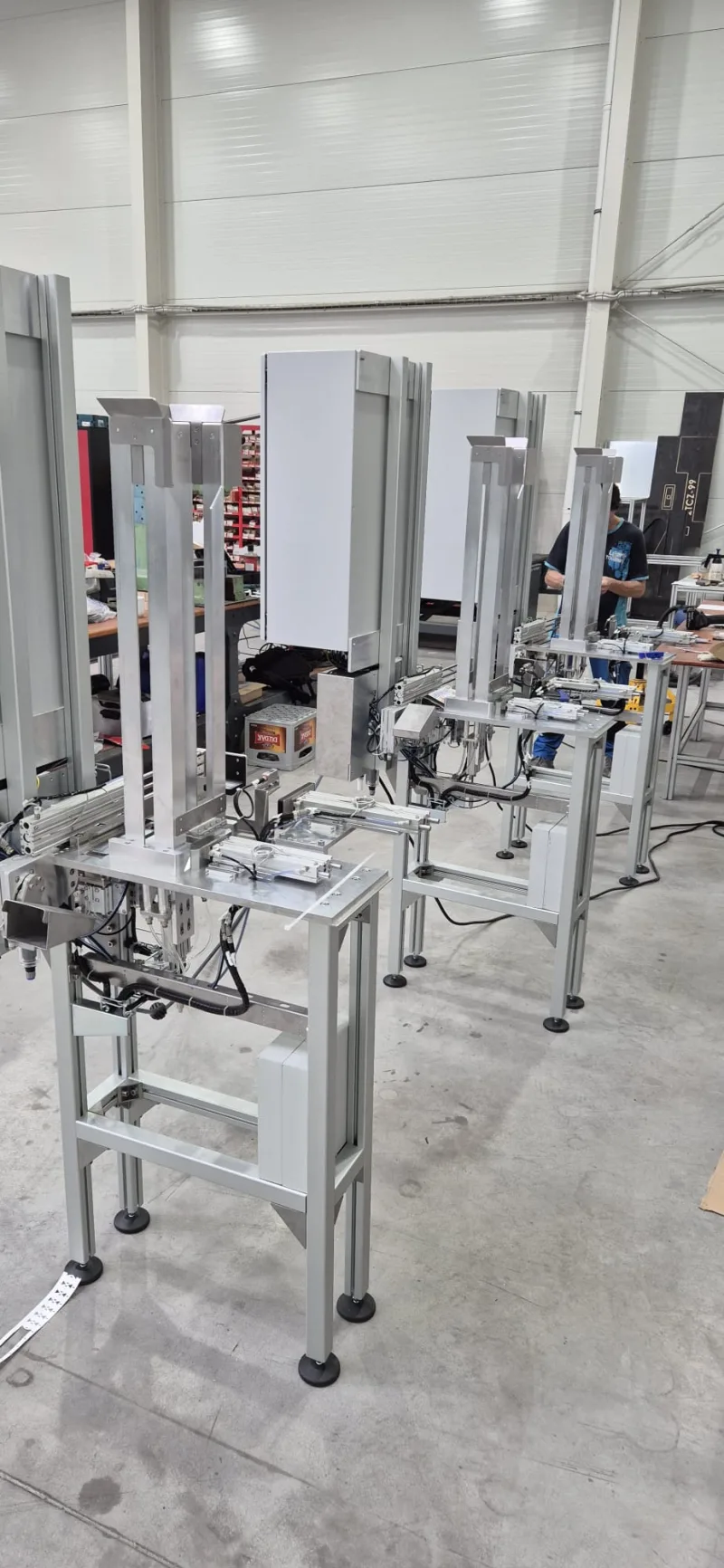
Four manipulators for cheese packaging
Four manipulators for cheese packaging. Photos of the actual equipment and details of its design.
Line specification from part input to finished piece
Link the output requirement to the part flow, the operators and the equipment you already have in production.
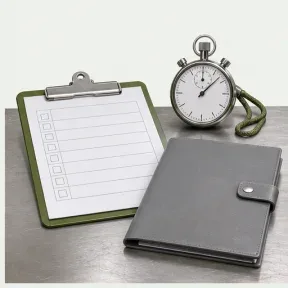
Products and capacity
State the required quantity of good parts, the shift pattern, the variants and the changeover rules. Describe how output is to be evaluated and which operations belong to the measured time. Include the product changeover time as well.
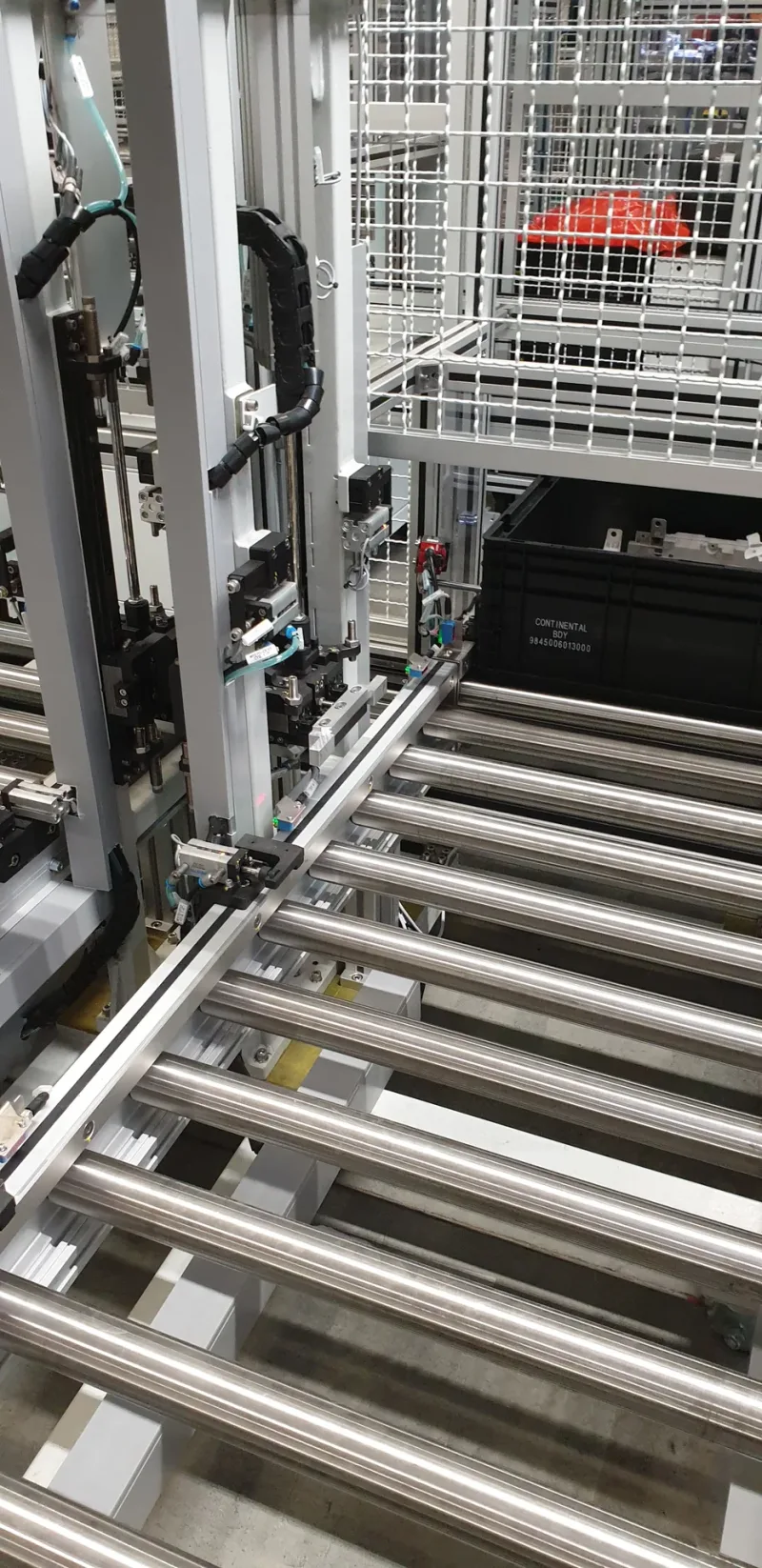
Part flow and operator work
Describe the input condition of the product, the sequence of operations, the transfer points and the procedure for a non-conforming part. In the layout, mark loading, unloading and waiting of parts, operator access, space for servicing and available utilities.
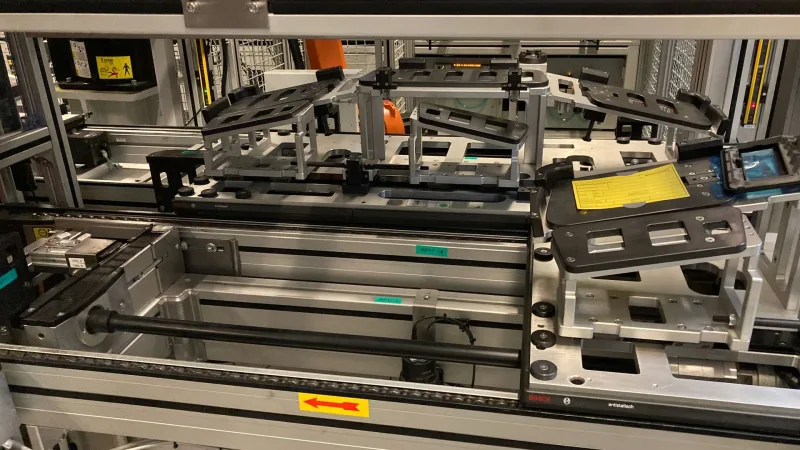
New and retained parts
Separate the new delivery from the existing equipment and the equipment of the customer or partners. For interconnected machines, state the available control systems, signals and documentation. Clarify in advance the readiness of the workstation and the date when work can take place.
From line concept to agreed acceptance
Brief and current state
We go through the product, the process and the main constraints. For modernisation, we define the retained parts and the conditions for connecting to operations.
Concept and scope of supply
We design the layout according to the required process. In the quotation, we define the mechanics, electrical parts, control and follow-up work of the individual suppliers.
Preparation, assembly and commissioning
We agree on workstation readiness, the required utilities and the installation date. Assembly and commissioning take place according to the agreed scope and interfaces.
Tests and handover
We demonstrate the agreed operations under the agreed conditions. The scope of documentation, training and follow-up support is determined while preparing the project.
Acceptance links output, quality and operation
It is advisable to set the acceptance criteria already when designing the line. For a partial modification, it must be clear which part of production is being evaluated.
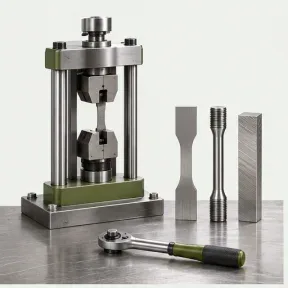
Products and test conditions
Variants, input parts, connected machines and the operating method during the test, all specified in advance.
Part flow through production
Verification of the agreed sequence of operations, transfer between workstations and the required result inspection.
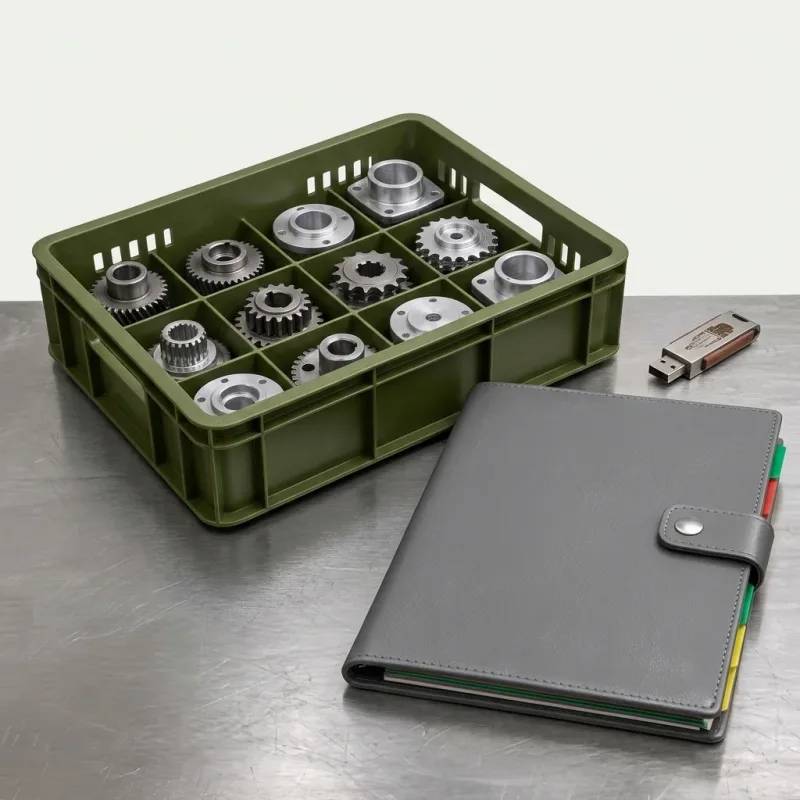
Output and handover documents
The agreed evaluation of capacity or cycle time, a list of documents to be handed over and the scope of training.
When a part has to wait before the next operation
The production sequence can also be determined by the required time between two operations.
With our cooling rack, the parts had to cool before laminating so that they would not warp during further processing. Colour signalling told the operator when a part could be removed. The task here is not only moving the product, but also releasing it at the right moment.
If you are dealing with a similar connection, specify the condition in which the part should pass to the next operation and who or what authorises its removal. We then define the form of the workstation according to the specific process and space.
Questions about a new line and modernisation
Can just part of a line be modified?
Yes. The brief may cover a standalone station or a selected part of the line. Identify the constraints of the current process, the equipment that is to remain and possible shutdown dates.
Is it enough to state the number of parts per shift?
Add the shift length, product variants, changeovers and the operating method. For the target cycle time, state how it will be evaluated.
How do we prepare an installation while production is running?
Describe the available time windows, workstation readiness and the connection to surrounding machines. We set the date of the work and the conditions for restarting production according to the specific change.
What will the line acceptance be based on?
In the brief, specify the products and test conditions, the expected output, the quality requirements and the documents to be handed over. For a partial modification, it must be clear which part of the process is being evaluated.
What should we record when parts wait between operations?
State where the parts come from, at what intervals and when the next operation can take them. Add their condition, the required waiting or cooling time, the number of parts in process at the same time and the available space. This information helps describe the connection the solution must ensure.
Individual approach
We design custom production lines according to your needs and operating conditions.
Maximum efficiency
We reduce losses, minimise downtime and optimise production capacity.
Integration of state-of-the-art technologies
We combine robotics, PLC systems and IoT for maximum performance.
Safety and reliability
Our solutions meet the highest safety standards.
Long-term support
We provide service, maintenance and technical support for trouble-free line operation.
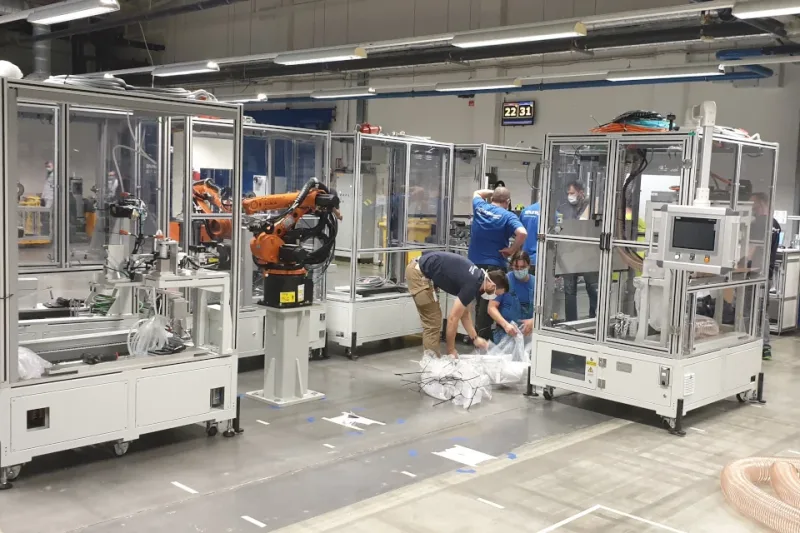
Efficient production lines are the foundation of modern industrial manufacturing. Automating and optimising production processes helps increase productivity, reduce costs and eliminate errors. Whether you need to modernise an existing line, integrate new technologies or build a turnkey line, we provide a complete solution exactly to your requirements.
We have experience in a wide range of industries - from the automotive and food industries to pharmaceuticals and mechanical engineering.
We work with state-of-the-art technologies and systems:
- PLC and SCADA systems - Siemens, Allen-Bradley, Mitsubishi, Omron, Beckhoff, GE.
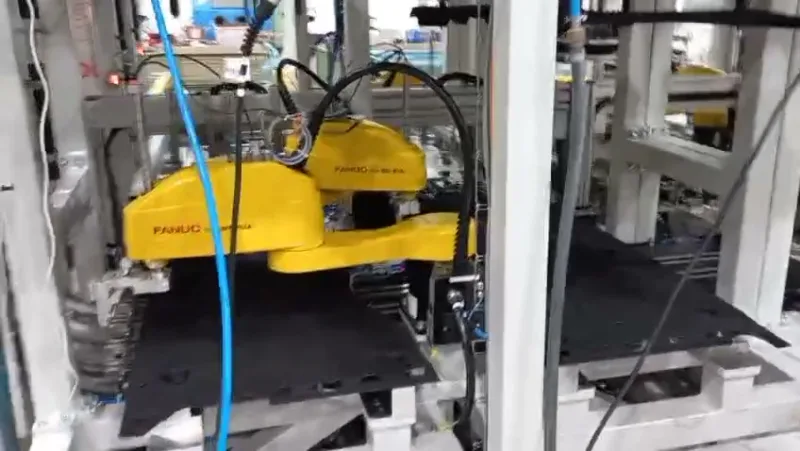
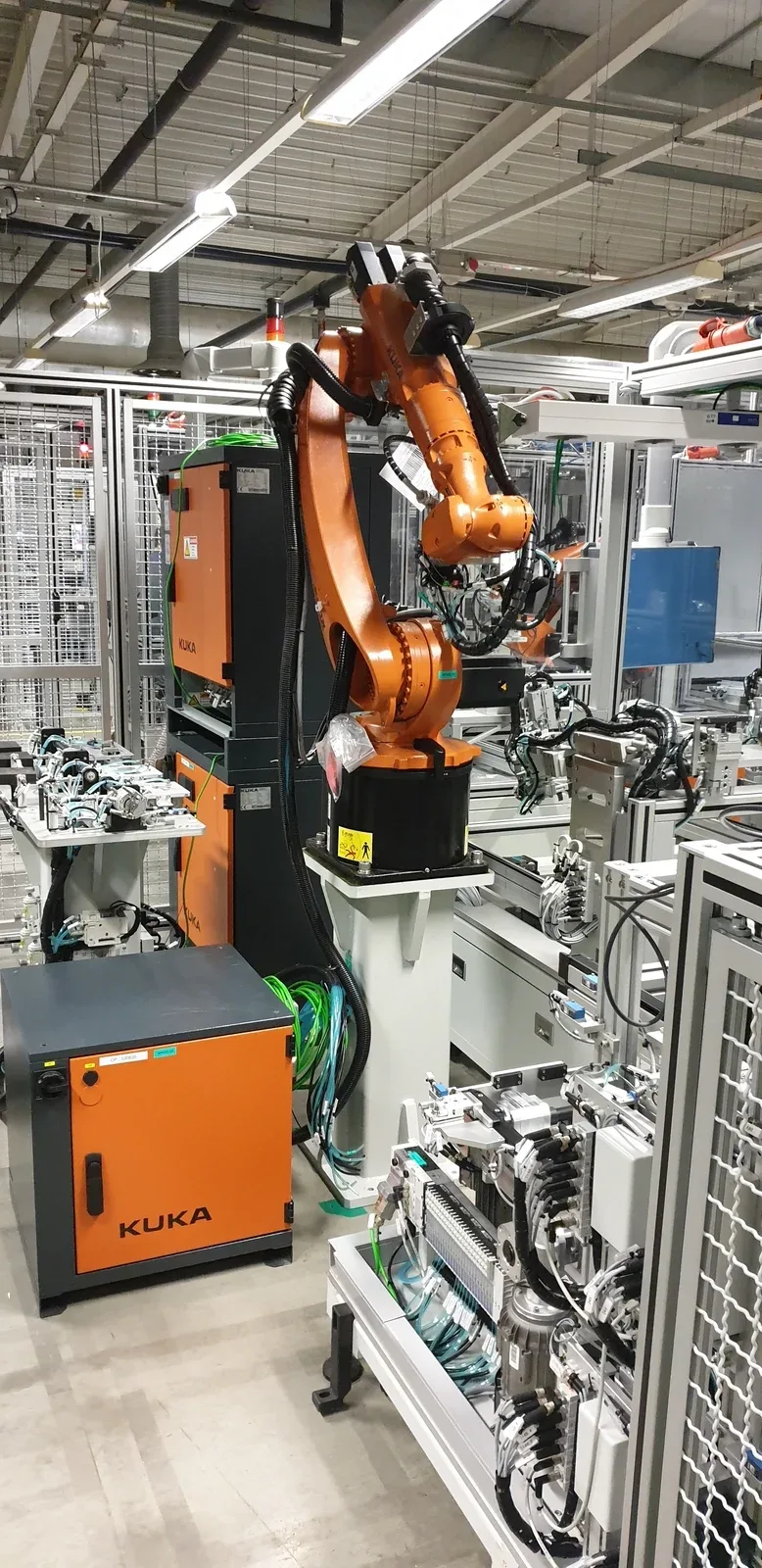
- Industrial robots - FANUC, KUKA, ABB, Universal Robots, Doosan, Yaskawa, Stäubli and others.
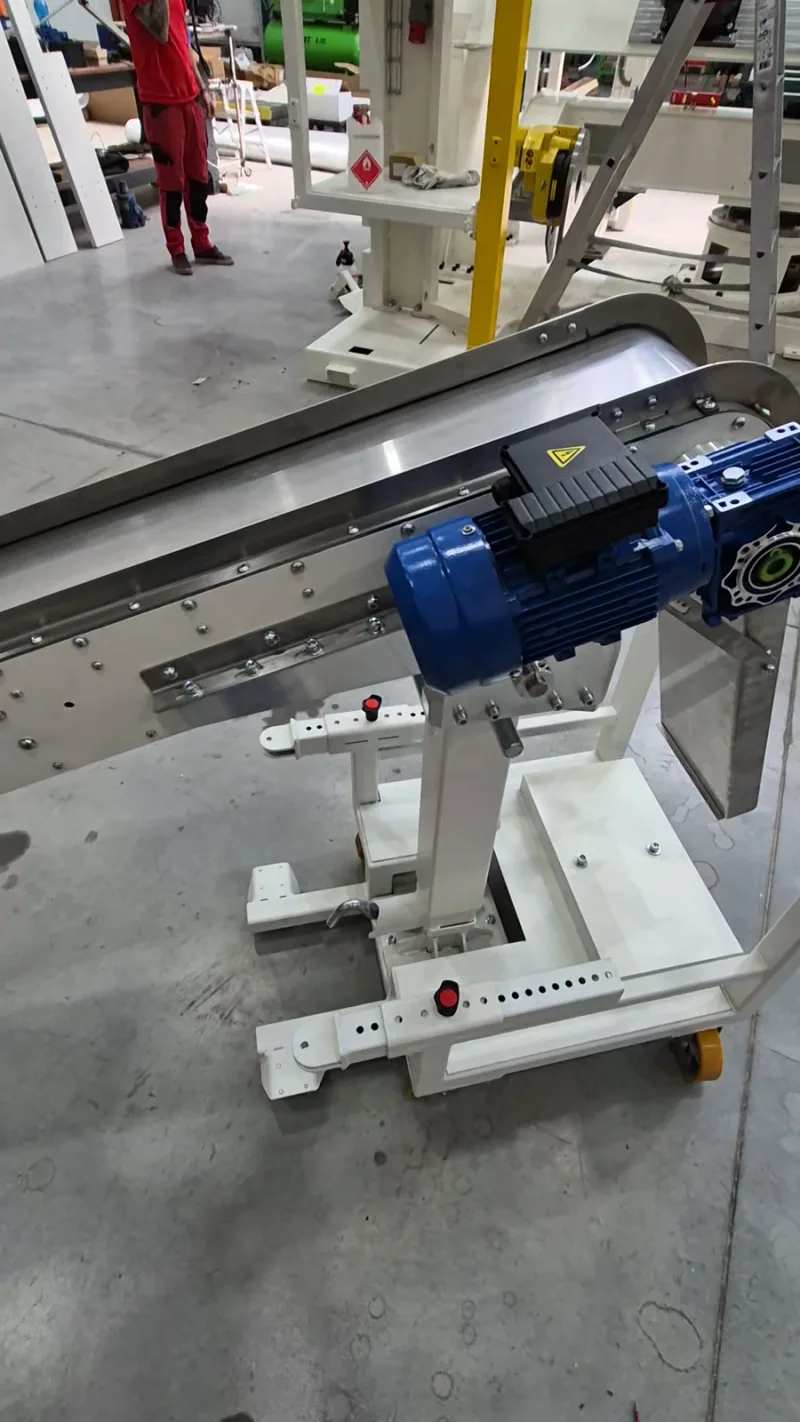
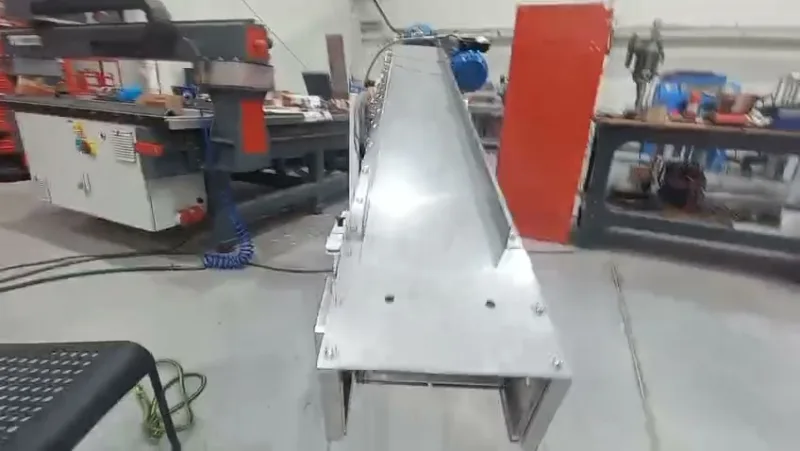
- Conveyor systems - Solutions for a smooth flow of materials and products.
- Sensors and IoT - Smart performance monitoring, predictive maintenance and remote management.
We design our production lines with an emphasis on modularity and scalability, so they can easily be expanded or modified as your business develops.
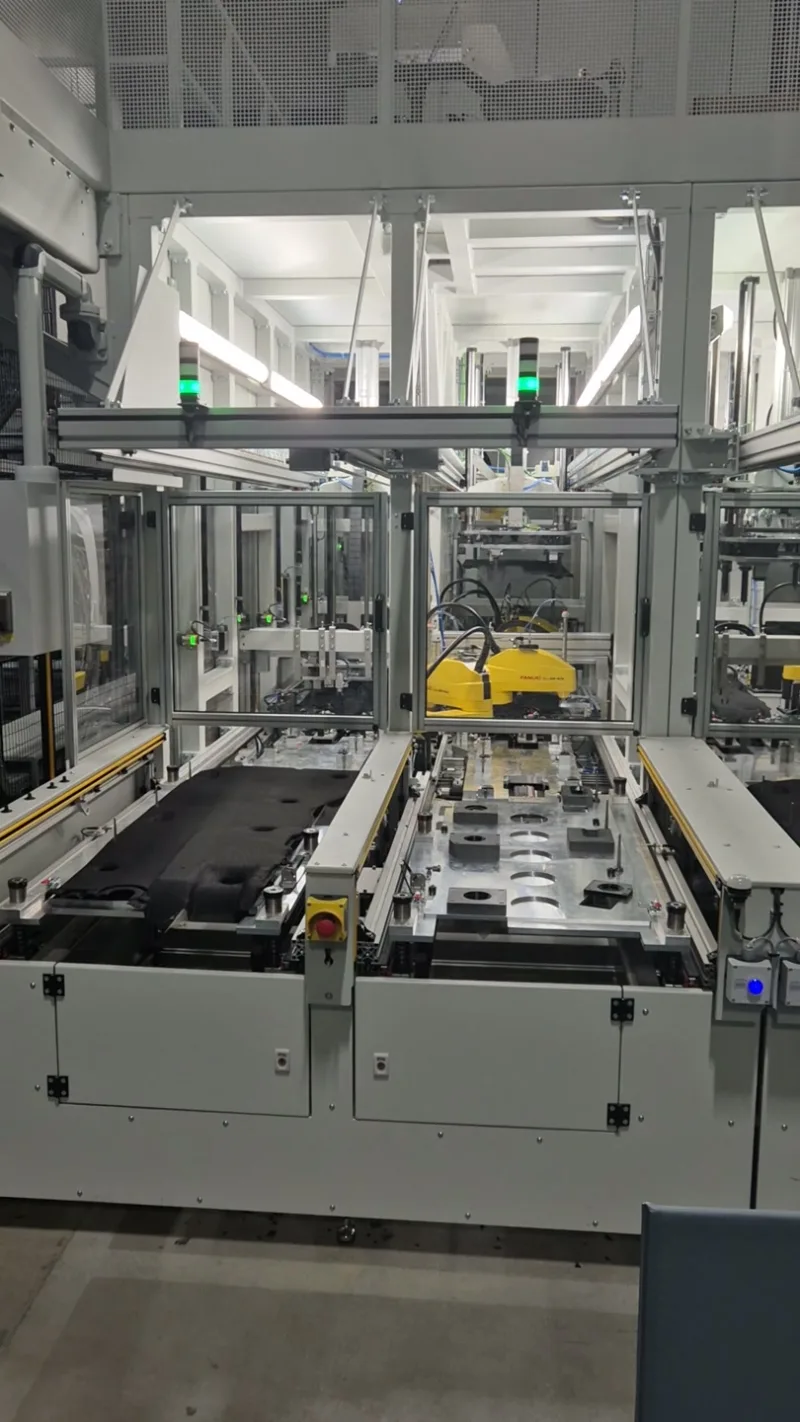
Request production line automation
Contact us directly
+420 778 080 606 sekela@sekela.cz
Continue via the enquiry form
Describe what you need. You can attach supporting documents.